
Contents
- 🎨 Introduction to Art Market Disruption
- 📊 The Rise of Online Art Marketplaces
- 👥 The Role of Social Media in Art Market Disruption
- 🚀 The Impact of Blockchain on Art Ownership
- 🤝 Collaborations and Partnerships in the Art World
- 📈 The Growth of the Global Art Market
- 🚫 Challenges and Controversies in the Art Market
- 🔮 The Future of Art Market Disruption
- 📊 The Economics of Art Market Disruption
- 👀 The Impact of Art Market Disruption on Artists
- 🌎 Global Art Market Trends and Insights
- Frequently Asked Questions
- Related Topics
Overview
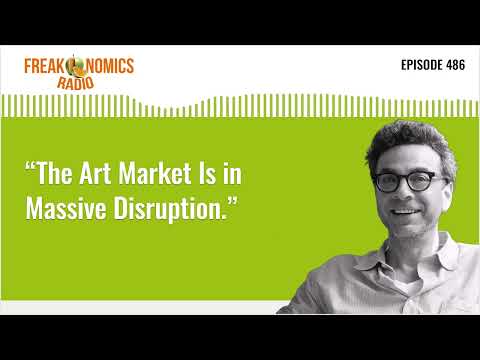
The art market is undergoing a significant disruption, driven by the rise of digital art, online platforms, and changing consumer behaviors. According to a report by Art Market Monitor, the global art market reached $67.4 billion in 2020, with online sales accounting for 25% of the total market. The COVID-19 pandemic has accelerated this trend, with many galleries and museums forced to close their physical locations and shift their focus to online sales. This disruption has created new opportunities for artists, collectors, and dealers, but also poses significant challenges for traditional galleries and art market players. As noted by art market expert, Georgina Adam, 'the art market is no longer just about the art, but about the experience and the technology that surrounds it.' The art market disruption is expected to continue, with some predicting that online sales will reach 50% of the total market by 2025. With the rise of non-fungible tokens (NFTs) and digital art, the art market is becoming increasingly democratized, with new players and business models emerging. For instance, the artist Beeple sold an NFT artwork for $69 million in 2021, highlighting the potential for digital art to disrupt traditional art market norms.
🎨 Introduction to Art Market Disruption
The art market has undergone significant disruption in recent years, driven by technological advancements, changes in consumer behavior, and shifting cultural values. The rise of online art marketplaces, such as Artnet and Saatchi Art, has democratized access to art, allowing buyers to browse and purchase works from around the world. This shift has also created new opportunities for artists to showcase their work, as seen with the success of Banksy and Jean-Michel Basquiat. However, the art market is not without its challenges, with issues of authenticity and provenance remaining a major concern. As the art market continues to evolve, it will be interesting to see how it adapts to these changes, potentially leading to new innovations in the field of art conservation.
📊 The Rise of Online Art Marketplaces
The rise of online art marketplaces has been a key driver of art market disruption. These platforms have made it possible for buyers to browse and purchase art from anywhere in the world, at any time. This has created new opportunities for artists, galleries, and collectors to connect and transact. However, it has also raised concerns about the role of art dealers and the impact of speculation on the market. As the online art market continues to grow, it will be important to consider the potential risks and benefits of this trend, including the potential for price manipulation. Companies like Sotheby's and Christie's are already adapting to this shift, offering online sales and partnerships with digital platforms. The use of artificial intelligence in art marketplaces is also becoming more prevalent, with applications in art recommendation and art pricing.
🚀 The Impact of Blockchain on Art Ownership
The impact of blockchain on art ownership has been significant, with the use of blockchain technology providing a secure and transparent way to verify the ownership and provenance of artworks. This has created new opportunities for artists and collectors to buy, sell, and trade art, while also reducing the risk of forgery and theft. Companies like Maecenas and Rarible are already using blockchain to create new marketplaces for art, allowing buyers to purchase fractional ownership of artworks. The use of blockchain in the art market also has implications for art taxation and art regulation, with the potential for new forms of art market governance. As the use of blockchain in the art market continues to grow, it will be interesting to see how it shapes the industry, potentially leading to new forms of art market transparency.
🤝 Collaborations and Partnerships in the Art World
Collaborations and partnerships have become increasingly important in the art world, with artists, galleries, and museums working together to create new and innovative exhibitions and projects. This has created new opportunities for artists to showcase their work and for galleries and museums to reach new audiences. However, it has also raised concerns about the impact of commercialization on the art world, including the potential for censorship and the loss of integrity. As the art world continues to evolve, it will be interesting to see how collaborations and partnerships shape the industry, potentially leading to new forms of art education and community building. The partnership between Tate Modern and Google Arts & Culture is a notable example of this trend, with the two organizations working together to create new digital exhibitions and experiences.
📈 The Growth of the Global Art Market
The global art market has experienced significant growth in recent years, with the market size increasing from $40 billion in 2010 to over $60 billion in 2020. This growth has been driven by a number of factors, including the rise of online art marketplaces, the increasing popularity of contemporary art, and the growing wealth of high net worth individuals. However, the art market is not without its challenges, with issues of volatility and regulation remaining a major concern. As the art market continues to evolve, it will be interesting to see how it adapts to these changes, potentially leading to new innovations in the field of art market analytics. The use of data science in the art market is also becoming more prevalent, with applications in art market forecasting and art pricing.
🚫 Challenges and Controversies in the Art Market
The art market is not without its challenges and controversies, with issues of authenticity, provenance, and price manipulation remaining a major concern. The use of artificial intelligence in the art market has also raised concerns about the potential for homogenization and the loss of context. As the art market continues to evolve, it will be interesting to see how it addresses these challenges, potentially leading to new forms of art market transparency and art market accountability. The controversy surrounding the Salvator Mundi sale is a notable example of this trend, with questions raised about the provenance and authenticity of the painting.
🔮 The Future of Art Market Disruption
The future of art market disruption is likely to be shaped by a number of factors, including the continued growth of online art marketplaces, the increasing use of blockchain technology, and the growing importance of social media. As the art market continues to evolve, it will be interesting to see how it adapts to these changes, potentially leading to new innovations in the field of art market analytics. The use of virtual reality and augmented reality in the art market is also becoming more prevalent, with applications in art exhibition and art education. The partnership between Sotheby's and Google is a notable example of this trend, with the two organizations working together to create new digital exhibitions and experiences.
📊 The Economics of Art Market Disruption
The economics of art market disruption are complex and multifaceted, with a number of factors driving the growth and development of the art market. The use of data science in the art market is becoming more prevalent, with applications in art market forecasting and art pricing. As the art market continues to evolve, it will be interesting to see how it adapts to these changes, potentially leading to new innovations in the field of art market analytics. The impact of speculation on the art market is also a major concern, with the potential for price bubbles and volatility. The use of art market regulation is also becoming more prevalent, with the potential for new forms of art market governance.
👀 The Impact of Art Market Disruption on Artists
The impact of art market disruption on artists has been significant, with the rise of online art marketplaces and social media providing new opportunities for artists to showcase their work and connect with potential buyers. However, it has also raised concerns about the impact of commercialization on the art world, including the potential for censorship and the loss of integrity. As the art market continues to evolve, it will be interesting to see how it shapes the industry, potentially leading to new forms of art education and community building. The use of artificial intelligence in the art market has also raised concerns about the potential for homogenization and the loss of context. The partnership between Artsy and Instagram is a notable example of this trend, with the two organizations working together to create new digital exhibitions and experiences.
🌎 Global Art Market Trends and Insights
Global art market trends and insights are essential for understanding the complex and multifaceted nature of the art market. The use of data science in the art market is becoming more prevalent, with applications in art market forecasting and art pricing. As the art market continues to evolve, it will be interesting to see how it adapts to these changes, potentially leading to new innovations in the field of art market analytics. The impact of speculation on the art market is also a major concern, with the potential for price bubbles and volatility. The use of art market regulation is also becoming more prevalent, with the potential for new forms of art market governance.
Key Facts
- Year
- 2020
- Origin
- New York, USA
- Category
- Art and Culture
- Type
- Market Trend
Frequently Asked Questions
What is art market disruption?
Art market disruption refers to the significant changes and innovations that are occurring in the art market, driven by technological advancements, changes in consumer behavior, and shifting cultural values. These changes are creating new opportunities for artists, galleries, and collectors, but also raising concerns about the impact of commercialization, speculation, and regulation on the art world. The use of artificial intelligence and blockchain in the art market is also becoming more prevalent, with applications in art recommendation and art pricing. As the art market continues to evolve, it will be interesting to see how it adapts to these changes, potentially leading to new innovations in the field of art market analytics.
What are the key drivers of art market disruption?
The key drivers of art market disruption include the rise of online art marketplaces, the increasing use of social media, and the growing importance of blockchain technology. These changes are creating new opportunities for artists, galleries, and collectors to connect and transact, but also raising concerns about the impact of commercialization, speculation, and regulation on the art world. The use of data science in the art market is also becoming more prevalent, with applications in art market forecasting and art pricing. As the art market continues to evolve, it will be interesting to see how it adapts to these changes, potentially leading to new innovations in the field of art market analytics.
What are the potential benefits of art market disruption?
The potential benefits of art market disruption include increased accessibility and transparency, new opportunities for artists and galleries, and the potential for new forms of art and innovation. The use of virtual reality and augmented reality in the art market is also becoming more prevalent, with applications in art exhibition and art education. As the art market continues to evolve, it will be interesting to see how it adapts to these changes, potentially leading to new innovations in the field of art market analytics. However, it is also important to consider the potential risks and challenges associated with art market disruption, including the impact of commercialization, speculation, and regulation on the art world.
What are the potential risks and challenges associated with art market disruption?
The potential risks and challenges associated with art market disruption include the impact of commercialization, speculation, and regulation on the art world, as well as the potential for new forms of forgery and theft. The use of artificial intelligence in the art market has also raised concerns about the potential for homogenization and the loss of context. As the art market continues to evolve, it will be interesting to see how it addresses these challenges, potentially leading to new forms of art market transparency and art market accountability.
How is the art market likely to evolve in the future?
The art market is likely to continue to evolve in response to technological advancements, changes in consumer behavior, and shifting cultural values. The use of blockchain and artificial intelligence in the art market is likely to become more prevalent, with applications in art recommendation and art pricing. As the art market continues to evolve, it will be interesting to see how it adapts to these changes, potentially leading to new innovations in the field of art market analytics. The impact of speculation on the art market is also a major concern, with the potential for price bubbles and volatility.