
Contents
- 🎨 Introduction to Art Investment Software
- 💻 The Rise of Digital Art Marketplaces
- 📊 Art Investment Platforms: A New Era of Collecting
- 📈 The Role of Artificial Intelligence in Art Investment
- 📊 Art Market Analytics: Data-Driven Decision Making
- 👥 The Impact of Social Media on Art Investment
- 📈 Blockchain and the Future of Art Investment
- 📊 The Benefits and Risks of Art Investment Software
- 📈 The Future of Art Investment: Trends and Predictions
- 📊 Case Studies: Successful Art Investment Software Implementations
- 👥 The Art World's Response to Investment Software
- 🎨 Conclusion: Navigating the Intersection of Art and Finance
- Frequently Asked Questions
- Related Topics
Overview
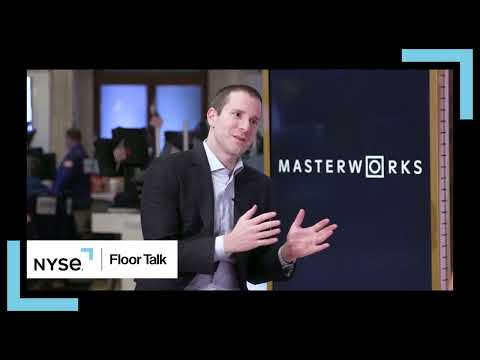
The art investment software market has seen significant growth in recent years, with companies like Artory, Artnet, and Masterworks offering platforms for art investment and valuation. These platforms use artificial intelligence, machine learning, and data analytics to provide investors with insights into the art market, helping them make informed decisions. However, the use of technology in art investment also raises questions about the role of human expertise and the potential for bias in algorithmic decision-making. As the market continues to evolve, it is likely that we will see new innovations and challenges emerge, including the integration of blockchain technology and the development of more sophisticated AI-powered valuation tools. With the global art market valued at over $67 billion in 2020, according to a report by Art Basel and UBS, the potential for art investment software to disrupt traditional models of art buying and selling is significant. Nevertheless, the art world's skepticism towards technology and the unique nature of art as a commodity will continue to pose challenges for these platforms, making their long-term impact uncertain.
🎨 Introduction to Art Investment Software
The art world has long been synonymous with exclusivity and high-stakes dealing, but the rise of art investment software is changing the game. With the ability to buy and sell art online, investors can now access a global market with unprecedented ease. However, this increased accessibility also raises important questions about the authenticity of art and the role of art experts in the digital age. As the art market continues to evolve, it's essential to understand the history of art investment and the current trends in art investment.
💻 The Rise of Digital Art Marketplaces
The rise of digital art marketplaces has been a key factor in the growth of the online art market. Platforms like Artsy and Saatchi Art have made it possible for artists to sell art online and for collectors to buy art online with ease. However, the pros and cons of digital art marketplaces are still being debated, with some arguing that they democratize the art market and others claiming that they homogenize the art market. As the online art market continues to grow, it's essential to understand the impact of digital art marketplaces on the art world.
📊 Art Investment Platforms: A New Era of Collecting
Art investment platforms have revolutionized the way we collect and invest in art. With the ability to invest in art online, collectors can now access a global market with unprecedented ease. However, the benefits and risks of art investment platforms are still being debated, with some arguing that they provide a new level of transparency and others claiming that they lacking the expertise of traditional art dealers. As the art market continues to evolve, it's essential to understand the role of art investment platforms in the art market.
📈 The Role of Artificial Intelligence in Art Investment
The role of artificial intelligence in art investment is becoming increasingly important. With the ability to analyze art market trends and predict art market fluctuations, AI can help investors make more informed decisions. However, the ethics of AI in art investment are still being debated, with some arguing that it reduces the role of human experts and others claiming that it enhances the role of human experts. As AI continues to play a larger role in the art market, it's essential to understand the impact of AI on the art world.
📊 Art Market Analytics: Data-Driven Decision Making
Art market analytics is a crucial component of art investment software. With the ability to analyze art market data and track art market trends, investors can make more informed decisions. However, the quality of art market data is still a concern, with some arguing that it lacking transparency and others claiming that it provides a new level of insight. As the art market continues to evolve, it's essential to understand the role of art market analytics in art investment.
📈 Blockchain and the Future of Art Investment
Blockchain technology is being increasingly used in the art world, with many artists and galleries using it to create digital certificates of authenticity. However, the benefits and risks of blockchain in art investment are still being debated, with some arguing that it provides a new level of security and others claiming that it lacking the infrastructure to support widespread adoption. As blockchain continues to play a larger role in the art market, it's essential to understand the impact of blockchain on the art world.
📊 The Benefits and Risks of Art Investment Software
The benefits and risks of art investment software are still being debated, with some arguing that it provides a new level of accessibility and others claiming that it lacking the expertise of traditional art dealers. As the art market continues to evolve, it's essential to understand the role of art investment software in the art market. With the ability to invest in art online, collectors can now access a global market with unprecedented ease. However, the pros and cons of art investment software are still being debated, with some arguing that it democratizes the art market and others claiming that it homogenizes the art market.
📈 The Future of Art Investment: Trends and Predictions
The future of art investment is likely to be shaped by a number of factors, including the impact of technology on the art market and the role of art investment software in the art market. As the art market continues to evolve, it's essential to understand the trends and predictions for the future of art investment. With the ability to invest in art online, collectors can now access a global market with unprecedented ease. However, the benefits and risks of art investment are still being debated, with some arguing that it provides a new level of accessibility and others claiming that it lacking the expertise of traditional art dealers.
📊 Case Studies: Successful Art Investment Software Implementations
There have been several successful implementations of art investment software, including the launch of Artsy and the launch of Saatchi Art. These platforms have made it possible for artists to sell art online and for collectors to buy art online with ease. However, the pros and cons of art investment software are still being debated, with some arguing that it democratizes the art market and others claiming that it homogenizes the art market. As the art market continues to evolve, it's essential to understand the role of art investment software in the art market.
👥 The Art World's Response to Investment Software
The art world's response to investment software has been mixed, with some arguing that it provides a new level of accessibility and others claiming that it lacking the expertise of traditional art dealers. As the art market continues to evolve, it's essential to understand the impact of art investment software on the art world. With the ability to invest in art online, collectors can now access a global market with unprecedented ease. However, the pros and cons of art investment software are still being debated, with some arguing that it democratizes the art market and others claiming that it homogenizes the art market.
Key Facts
- Year
- 2022
- Origin
- New York, USA
- Category
- Art and Technology
- Type
- Market Segment
Frequently Asked Questions
What is art investment software?
Art investment software is a type of platform that allows collectors to invest in art online. These platforms provide a range of tools and services, including art market analytics and art price index. With the ability to buy and sell art online, collectors can now access a global market with unprecedented ease. However, the benefits and risks of art investment software are still being debated, with some arguing that it provides a new level of accessibility and others claiming that it lacking the expertise of traditional art dealers.
How does art investment software work?
Art investment software works by providing a platform for collectors to buy and sell art online. These platforms typically include a range of features, such as art market analytics and art price index. With the ability to invest in art online, collectors can now access a global market with unprecedented ease. However, the pros and cons of art investment software are still being debated, with some arguing that it democratizes the art market and others claiming that it homogenizes the art market.
What are the benefits of art investment software?
The benefits of art investment software include the ability to invest in art online and access a global market with unprecedented ease. These platforms also provide a range of tools and services, including art market analytics and art price index. With the ability to buy and sell art online, collectors can now access a global market with unprecedented ease. However, the benefits and risks of art investment software are still being debated, with some arguing that it provides a new level of accessibility and others claiming that it lacking the expertise of traditional art dealers.
What are the risks of art investment software?
The risks of art investment software include the potential for art market volatility and the lack of transparency in art investment. These platforms also raise important questions about the authenticity of art and the role of art experts in the digital age. With the ability to invest in art online, collectors can now access a global market with unprecedented ease. However, the pros and cons of art investment software are still being debated, with some arguing that it democratizes the art market and others claiming that it homogenizes the art market.
How do I get started with art investment software?
To get started with art investment software, it's essential to understand the basics of art investment and the pros and cons of art investment software. With the ability to invest in art online, collectors can now access a global market with unprecedented ease. However, the benefits and risks of art investment software are still being debated, with some arguing that it provides a new level of accessibility and others claiming that it lacking the expertise of traditional art dealers. It's also important to research and compare different platforms to find the one that best suits your needs and goals.