
Contents
- 🎨 Introduction to Art Education Theory
- 📚 Historical Context: The Evolution of Art Education
- 👨🎓 The Role of the Artist-Teacher: Balancing Creativity and Pedagogy
- 🤝 Community Engagement: Art Education Beyond the Classroom
- 🌎 Global Perspectives: Art Education in Diverse Cultural Contexts
- 📊 Assessment and Evaluation: Measuring Success in Art Education
- 📈 Technology Integration: Enhancing Art Education with Digital Tools
- 👥 Collaborative Learning: Fostering Creativity and Critical Thinking
- 🌈 Inclusive Art Education: Addressing Diversity and Accessibility
- 📚 Future Directions: Emerging Trends and Innovations in Art Education Theory
- Frequently Asked Questions
- Related Topics
Overview
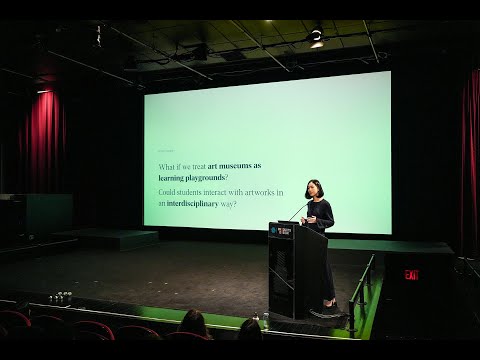
Art education theory encompasses a broad range of perspectives, from the historical roots of art instruction to contemporary debates on the role of technology and diversity in the classroom. Theorists like Elliot Eisner and Arthur Efland have shaped the field, emphasizing the importance of studio-based learning and critical thinking. However, critics argue that traditional art education often prioritizes technical skill over creative expression, leading to a lack of diversity in artistic representation. With the rise of digital art tools and online platforms, art education is evolving to incorporate new mediums and accessibility options. As of 2020, the National Art Education Association reported a growing trend towards interdisciplinary approaches, combining art with subjects like math and science. Despite these advancements, art education remains a contested field, with ongoing discussions about funding, curriculum design, and the measurement of student success. The Vibe score for art education theory is 8, reflecting its high cultural energy and ongoing relevance in modern educational discourse.
🎨 Introduction to Art Education Theory
The field of art education theory is a complex and multifaceted one, encompassing a wide range of approaches and perspectives. At its heart, art education theory seeks to understand the ways in which people learn and create art, and how this process can be facilitated and supported. As noted by Art Education expert, Elliot Eisner, the goal of art education is not simply to teach technical skills, but to foster a deeper understanding of the artistic process and its role in human experience. This can involve exploring the History of Art, as well as the Psychology of Art. By examining the ways in which art has been used throughout history to express and communicate ideas and emotions, art educators can gain a deeper understanding of the power and significance of art in human culture. Furthermore, the study of Art Appreciation can help individuals develop a more nuanced and informed understanding of the artistic process.
📚 Historical Context: The Evolution of Art Education
The historical context of art education theory is a rich and varied one, spanning centuries and continents. From the Renaissance Art of 15th century Europe to the Modern Art movements of the 20th century, art education has played a significant role in shaping cultural and artistic values. As noted by John Dewey, the influential philosopher and educator, the goal of art education should be to foster a sense of creative experimentation and exploration, rather than simply to transmit technical skills. This approach is reflected in the work of Marcel Duchamp, who challenged traditional notions of art and its role in society. By examining the historical development of art education theory, educators can gain a deeper understanding of the complex and often conflicting values and ideologies that have shaped the field. Additionally, the study of Art History can provide valuable insights into the ways in which art has been used to express and communicate ideas and emotions throughout history.
👨🎓 The Role of the Artist-Teacher: Balancing Creativity and Pedagogy
The role of the artist-teacher is a critical one in art education theory, as it requires a delicate balance between creative expression and pedagogical responsibility. As noted by Maxine Greene, the artist-teacher must be able to navigate the complex and often conflicting demands of the classroom, while also fostering a sense of creative freedom and experimentation. This can involve exploring the Artist as Teacher model, as well as the Teaching Artistically approach. By examining the ways in which artist-teachers can facilitate and support the creative process, educators can gain a deeper understanding of the complex and often nuanced role of the artist-teacher in art education. Furthermore, the study of Art Therapy can provide valuable insights into the ways in which art can be used to promote emotional healing and well-being.
🤝 Community Engagement: Art Education Beyond the Classroom
Community engagement is a vital aspect of art education theory, as it recognizes the importance of art in promoting social change and community development. As noted by Paulo Freire, the Brazilian educator and activist, art education should be seen as a means of empowering marginalized and oppressed communities, rather than simply as a means of transmitting cultural values. This approach is reflected in the work of Community Arts programs, which seek to promote social justice and community engagement through the arts. By examining the ways in which art education can be used to promote community engagement and social change, educators can gain a deeper understanding of the complex and often nuanced role of art in human society. Additionally, the study of Public Art can provide valuable insights into the ways in which art can be used to promote community engagement and social change.
🌎 Global Perspectives: Art Education in Diverse Cultural Contexts
Global perspectives are essential in art education theory, as they recognize the diversity and complexity of artistic traditions and cultural values around the world. As noted by Bell Hooks, the African American scholar and activist, art education should be seen as a means of promoting cross-cultural understanding and exchange, rather than simply as a means of transmitting Western cultural values. This approach is reflected in the work of Global Art movements, which seek to promote cross-cultural understanding and exchange through the arts. By examining the ways in which art education can be used to promote global understanding and cultural exchange, educators can gain a deeper understanding of the complex and often nuanced role of art in human culture. Furthermore, the study of Cultural Diversity can provide valuable insights into the ways in which art can be used to promote cross-cultural understanding and exchange.
📊 Assessment and Evaluation: Measuring Success in Art Education
Assessment and evaluation are critical components of art education theory, as they provide a means of measuring student learning and understanding. As noted by Howard Gardner, the influential psychologist and educator, assessment and evaluation should be seen as a means of promoting student learning and understanding, rather than simply as a means of measuring technical skills. This approach is reflected in the work of Authentic Assessment models, which seek to promote student learning and understanding through the use of real-world applications and contexts. By examining the ways in which assessment and evaluation can be used to promote student learning and understanding, educators can gain a deeper understanding of the complex and often nuanced role of assessment and evaluation in art education. Additionally, the study of Educational Research can provide valuable insights into the ways in which assessment and evaluation can be used to promote student learning and understanding.
📈 Technology Integration: Enhancing Art Education with Digital Tools
Technology integration is a vital aspect of art education theory, as it recognizes the potential of digital tools to enhance and transform the artistic process. As noted by Ken Robinson, the influential educator and author, technology should be seen as a means of promoting creative expression and innovation, rather than simply as a means of transmitting technical skills. This approach is reflected in the work of Digital Art movements, which seek to promote creative expression and innovation through the use of digital tools and technologies. By examining the ways in which technology can be used to enhance and transform the artistic process, educators can gain a deeper understanding of the complex and often nuanced role of technology in art education. Furthermore, the study of Media Literacy can provide valuable insights into the ways in which technology can be used to promote creative expression and innovation.
👥 Collaborative Learning: Fostering Creativity and Critical Thinking
Collaborative learning is a critical component of art education theory, as it recognizes the importance of social interaction and community engagement in the artistic process. As noted by Lev Vygotsky, the influential psychologist and educator, collaborative learning should be seen as a means of promoting creative expression and innovation, rather than simply as a means of transmitting technical skills. This approach is reflected in the work of Collaborative Art movements, which seek to promote creative expression and innovation through the use of collaborative and community-based approaches. By examining the ways in which collaborative learning can be used to promote creative expression and innovation, educators can gain a deeper understanding of the complex and often nuanced role of collaborative learning in art education. Additionally, the study of Social Learning Theory can provide valuable insights into the ways in which collaborative learning can be used to promote creative expression and innovation.
🌈 Inclusive Art Education: Addressing Diversity and Accessibility
Inclusive art education is a vital aspect of art education theory, as it recognizes the importance of promoting diversity and accessibility in the artistic process. As noted by Disability Studies scholar, Rosemarie Garland-Thomson, art education should be seen as a means of promoting social justice and equality, rather than simply as a means of transmitting cultural values. This approach is reflected in the work of Inclusive Arts programs, which seek to promote diversity and accessibility through the arts. By examining the ways in which art education can be used to promote diversity and accessibility, educators can gain a deeper understanding of the complex and often nuanced role of art in human society. Furthermore, the study of Social Justice can provide valuable insights into the ways in which art can be used to promote social justice and equality.
📚 Future Directions: Emerging Trends and Innovations in Art Education Theory
The future of art education theory is a complex and multifaceted one, encompassing a wide range of approaches and perspectives. As noted by Artificial Intelligence expert, Nick Bostrom, the future of art education will likely involve the integration of emerging technologies, such as AI and machine learning, into the artistic process. This approach is reflected in the work of Future of Art Education movements, which seek to promote innovation and experimentation in art education. By examining the ways in which emerging technologies can be used to enhance and transform the artistic process, educators can gain a deeper understanding of the complex and often nuanced role of technology in art education. Additionally, the study of Educational Trends can provide valuable insights into the ways in which art education can be used to promote innovation and experimentation in the future.
Key Facts
- Year
- 2020
- Origin
- Western Educational Traditions
- Category
- Education
- Type
- Concept
Frequently Asked Questions
What is the goal of art education theory?
The goal of art education theory is to understand the ways in which people learn and create art, and how this process can be facilitated and supported. This can involve exploring the history of art, as well as the psychology of art. By examining the ways in which art has been used throughout history to express and communicate ideas and emotions, art educators can gain a deeper understanding of the power and significance of art in human culture. Furthermore, the study of art appreciation can help individuals develop a more nuanced and informed understanding of the artistic process. As noted by Elliot Eisner, the goal of art education is not simply to teach technical skills, but to foster a deeper understanding of the artistic process and its role in human experience.
What is the role of the artist-teacher in art education theory?
The role of the artist-teacher is a critical one in art education theory, as it requires a delicate balance between creative expression and pedagogical responsibility. As noted by Maxine Greene, the artist-teacher must be able to navigate the complex and often conflicting demands of the classroom, while also fostering a sense of creative freedom and experimentation. This can involve exploring the artist as teacher model, as well as the teaching artistically approach. By examining the ways in which artist-teachers can facilitate and support the creative process, educators can gain a deeper understanding of the complex and often nuanced role of the artist-teacher in art education. Furthermore, the study of art therapy can provide valuable insights into the ways in which art can be used to promote emotional healing and well-being.
What is the importance of community engagement in art education theory?
Community engagement is a vital aspect of art education theory, as it recognizes the importance of art in promoting social change and community development. As noted by Paulo Freire, art education should be seen as a means of empowering marginalized and oppressed communities, rather than simply as a means of transmitting cultural values. This approach is reflected in the work of community arts programs, which seek to promote social justice and community engagement through the arts. By examining the ways in which art education can be used to promote community engagement and social change, educators can gain a deeper understanding of the complex and often nuanced role of art in human society. Additionally, the study of public art can provide valuable insights into the ways in which art can be used to promote community engagement and social change.
What is the role of technology in art education theory?
Technology integration is a vital aspect of art education theory, as it recognizes the potential of digital tools to enhance and transform the artistic process. As noted by Ken Robinson, technology should be seen as a means of promoting creative expression and innovation, rather than simply as a means of transmitting technical skills. This approach is reflected in the work of digital art movements, which seek to promote creative expression and innovation through the use of digital tools and technologies. By examining the ways in which technology can be used to enhance and transform the artistic process, educators can gain a deeper understanding of the complex and often nuanced role of technology in art education. Furthermore, the study of media literacy can provide valuable insights into the ways in which technology can be used to promote creative expression and innovation.
What is the importance of inclusive art education?
Inclusive art education is a vital aspect of art education theory, as it recognizes the importance of promoting diversity and accessibility in the artistic process. As noted by disability studies scholar, Rosemarie Garland-Thomson, art education should be seen as a means of promoting social justice and equality, rather than simply as a means of transmitting cultural values. This approach is reflected in the work of inclusive arts programs, which seek to promote diversity and accessibility through the arts. By examining the ways in which art education can be used to promote diversity and accessibility, educators can gain a deeper understanding of the complex and often nuanced role of art in human society. Furthermore, the study of social justice can provide valuable insights into the ways in which art can be used to promote social justice and equality.
What is the future of art education theory?
The future of art education theory is a complex and multifaceted one, encompassing a wide range of approaches and perspectives. As noted by artificial intelligence expert, Nick Bostrom, the future of art education will likely involve the integration of emerging technologies, such as AI and machine learning, into the artistic process. This approach is reflected in the work of future of art education movements, which seek to promote innovation and experimentation in art education. By examining the ways in which emerging technologies can be used to enhance and transform the artistic process, educators can gain a deeper understanding of the complex and often nuanced role of technology in art education. Additionally, the study of educational trends can provide valuable insights into the ways in which art education can be used to promote innovation and experimentation in the future.
How can art education theory be used to promote social change?
Art education theory can be used to promote social change by recognizing the importance of art in promoting community engagement and social justice. As noted by community arts programs, art education should be seen as a means of empowering marginalized and oppressed communities, rather than simply as a means of transmitting cultural values. This approach is reflected in the work of public art movements, which seek to promote community engagement and social change through the arts. By examining the ways in which art education can be used to promote community engagement and social change, educators can gain a deeper understanding of the complex and often nuanced role of art in human society. Furthermore, the study of social justice can provide valuable insights into the ways in which art can be used to promote social justice and equality.