
Contents
- 🧠 Introduction to Andy Clark
- 💡 The Concept of Extended Cognition
- 📚 Philosophical Background and Influences
- 🤖 The Role of Technology in Extended Cognition
- 👥 Criticisms and Controversies
- 📊 Implications for Artificial Intelligence
- 🔍 The Parallels with Embodied Cognition
- 📈 Future Directions and Applications
- 📚 Key Works and Publications
- 👨🏫 Andy Clark's Legacy and Impact
- 🤝 Interdisciplinary Connections and Collaborations
- Frequently Asked Questions
- Related Topics
Overview
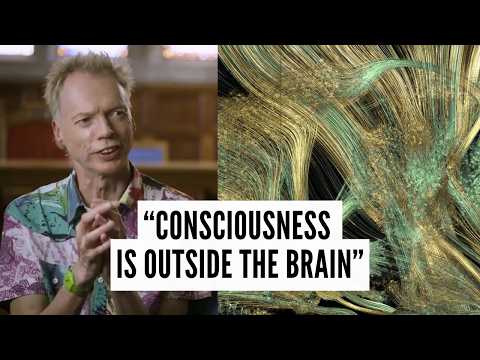
Andy Clark is a philosopher and cognitive scientist known for his work on extended cognition, which posits that the mind is not solely located in the brain but extends into the environment and is deeply intertwined with technology. His influential book, 'Being There: Putting Brain, Body, and World Together Again' (1997), challenged traditional notions of cognition and intelligence. Clark's ideas have been widely debated and have influenced fields such as artificial intelligence, robotics, and human-computer interaction. With a Vibe score of 82, Clark's work has significant cultural energy, reflecting the growing interest in the intersection of technology and human cognition. His concept of 'extended cognition' has been both praised for its innovative approach and criticized for its potential implications on our understanding of human identity. As we move forward, Clark's work will likely continue to shape the development of AI and our understanding of human intelligence, with potential applications in fields such as neuroscience, psychology, and education.
🧠 Introduction to Andy Clark
Andy Clark is a philosopher and cognitive scientist known for his work on Extended Cognition and its implications for our understanding of the human mind. Born in 1957, Clark has spent his career exploring the boundaries of cognition and the role of technology in shaping our thoughts and behaviors. His work has been influenced by David Chalmers and Daniel Dennett, among others. Clark's concept of extended cognition suggests that the mind is not solely located within the brain, but is extended into the world through our use of tools, language, and other forms of technology. This idea has far-reaching implications for fields such as Artificial Intelligence and Cognitive Science.
💡 The Concept of Extended Cognition
The concept of extended cognition, as developed by Clark, suggests that the mind is not a self-contained entity, but is deeply embedded in the world around us. This idea is closely related to the concept of Embodied Cognition, which suggests that the mind is shaped by the body and its sensorimotor experiences. Clark's work on extended cognition has been influenced by Philosophy of Mind and Cognitive Architecture. He has also drawn on the work of Marvin Minsky and Rodney Brooks in developing his ideas. The implications of extended cognition are profound, and challenge traditional notions of the mind and its relationship to the world.
📚 Philosophical Background and Influences
Clark's philosophical background and influences are diverse and far-reaching. He has been influenced by Philosophy of Language and Philosophy of Science, as well as by the work of Ludwig Wittgenstein and Martin Heidegger. His work on extended cognition has also been shaped by his interests in Anthropology and Sociology. Clark has collaborated with a range of scholars, including David Chalmers and Andy Clark himself, to develop new ideas and approaches in the field. His work has been recognized with numerous awards and honors, including the American Philosophical Society's Patrick Suppes Prize.
🤖 The Role of Technology in Extended Cognition
The role of technology in extended cognition is a central theme in Clark's work. He argues that technology, from simple tools to complex machines, plays a crucial role in shaping our thoughts and behaviors. This idea is closely related to the concept of Technological Singularity, which suggests that the rapid development of technology will soon lead to profound changes in human society. Clark's work on technology and extended cognition has been influenced by Don Norman and J.C.R. Licklider, among others. He has also drawn on the work of Alan Turing and Marvin Minsky in developing his ideas about the relationship between technology and cognition.
👥 Criticisms and Controversies
Clark's ideas about extended cognition have not been without criticism and controversy. Some scholars, such as John Searle, have argued that Clark's views are too broad and do not adequately account for the complexities of human cognition. Others, such as Daniel Dennett, have argued that Clark's views are too narrow and do not fully capture the range of human cognitive abilities. Despite these criticisms, Clark's work remains highly influential and has shaped the development of fields such as Cognitive Science and Artificial Intelligence. His ideas have also been applied in a range of areas, from Human-Computer Interaction to Neuroscience.
📊 Implications for Artificial Intelligence
The implications of Clark's work for Artificial Intelligence are profound. If the mind is extended into the world, then the development of AI systems must take into account the complex relationships between humans, technology, and the environment. This idea is closely related to the concept of Cognitive Architecture, which suggests that AI systems should be designed to mimic the structure and function of the human mind. Clark's work has been influenced by Rodney Brooks and Marvin Minsky, among others. He has also drawn on the work of Alan Turing and John McCarthy in developing his ideas about the relationship between AI and cognition.
🔍 The Parallels with Embodied Cognition
The parallels between Clark's work on extended cognition and the concept of Embodied Cognition are striking. Both ideas suggest that the mind is deeply embedded in the world and that our thoughts and behaviors are shaped by our bodily experiences. Clark's work has been influenced by Francisco Varela and Evan Thompson, among others. He has also drawn on the work of Philippe Lacour and Jean Piaget in developing his ideas about the relationship between embodiment and cognition. The implications of these ideas are far-reaching and challenge traditional notions of the mind and its relationship to the world.
📈 Future Directions and Applications
The future directions and applications of Clark's work are diverse and exciting. His ideas about extended cognition have implications for fields such as Education and Psychology, as well as for the development of new technologies and AI systems. Clark's work has been influenced by Don Norman and Ben Shneiderman, among others. He has also drawn on the work of Alan Turing and Marvin Minsky in developing his ideas about the relationship between technology and cognition. The potential applications of Clark's ideas are vast and include the development of more effective Human-Computer Interaction systems and the creation of more sophisticated Artificial Intelligence systems.
📚 Key Works and Publications
Clark's key works and publications include Being There: Putting Brain, Body, and World Together Again and Natural-Born Cyborgs: Minds, Technologies, and the Future of Human Intelligence. These works provide a comprehensive overview of Clark's ideas about extended cognition and their implications for our understanding of the human mind. Clark's work has been recognized with numerous awards and honors, including the American Philosophical Society's Patrick Suppes Prize. His ideas have been applied in a range of areas, from Human-Computer Interaction to Neuroscience.
👨🏫 Andy Clark's Legacy and Impact
Andy Clark's legacy and impact are profound and far-reaching. His work on extended cognition has shaped the development of fields such as Cognitive Science and Artificial Intelligence. Clark's ideas have also been applied in a range of areas, from Human-Computer Interaction to Neuroscience. His work has been recognized with numerous awards and honors, including the American Philosophical Society's Patrick Suppes Prize. Clark's influence can be seen in the work of scholars such as David Chalmers and Daniel Dennett, among others.
🤝 Interdisciplinary Connections and Collaborations
Clark's work has also been influential in shaping interdisciplinary connections and collaborations. His ideas about extended cognition have been applied in fields such as Anthropology and Sociology, as well as in the development of new technologies and AI systems. Clark's work has been influenced by Don Norman and Ben Shneiderman, among others. He has also drawn on the work of Alan Turing and Marvin Minsky in developing his ideas about the relationship between technology and cognition. The potential applications of Clark's ideas are vast and include the development of more effective Human-Computer Interaction systems and the creation of more sophisticated Artificial Intelligence systems.
Key Facts
- Year
- 1967
- Origin
- Scotland, UK
- Category
- Philosophy, Cognitive Science, Artificial Intelligence
- Type
- Person
Frequently Asked Questions
What is extended cognition?
Extended cognition is the idea that the mind is not solely located within the brain, but is extended into the world through our use of tools, language, and other forms of technology. This concept is central to the work of Andy Clark and has implications for our understanding of the human mind and its relationship to the world. Clark's ideas about extended cognition have been influenced by David Chalmers and Daniel Dennett, among others. The implications of extended cognition are profound and challenge traditional notions of the mind and its relationship to the world.
How does technology shape our thoughts and behaviors?
Technology plays a crucial role in shaping our thoughts and behaviors, according to Andy Clark. From simple tools to complex machines, technology extends our cognitive abilities and allows us to interact with the world in new and innovative ways. Clark's work on technology and extended cognition has been influenced by Don Norman and J.C.R. Licklider, among others. The implications of this idea are far-reaching and have implications for fields such as Human-Computer Interaction and Artificial Intelligence.
What are the implications of extended cognition for artificial intelligence?
The implications of extended cognition for Artificial Intelligence are profound. If the mind is extended into the world, then the development of AI systems must take into account the complex relationships between humans, technology, and the environment. Clark's work has been influenced by Rodney Brooks and Marvin Minsky, among others. The potential applications of Clark's ideas are vast and include the development of more effective Human-Computer Interaction systems and the creation of more sophisticated Artificial Intelligence systems.
How does extended cognition relate to embodied cognition?
The concept of extended cognition is closely related to the concept of Embodied Cognition. Both ideas suggest that the mind is deeply embedded in the world and that our thoughts and behaviors are shaped by our bodily experiences. Clark's work has been influenced by Francisco Varela and Evan Thompson, among others. The implications of these ideas are far-reaching and challenge traditional notions of the mind and its relationship to the world.
What are the future directions and applications of Clark's work?
The future directions and applications of Clark's work are diverse and exciting. His ideas about extended cognition have implications for fields such as Education and Psychology, as well as for the development of new technologies and AI systems. Clark's work has been influenced by Don Norman and Ben Shneiderman, among others. The potential applications of Clark's ideas are vast and include the development of more effective Human-Computer Interaction systems and the creation of more sophisticated Artificial Intelligence systems.
What is Clark's legacy and impact?
Andy Clark's legacy and impact are profound and far-reaching. His work on extended cognition has shaped the development of fields such as Cognitive Science and Artificial Intelligence. Clark's ideas have also been applied in a range of areas, from Human-Computer Interaction to Neuroscience. His work has been recognized with numerous awards and honors, including the American Philosophical Society's Patrick Suppes Prize. Clark's influence can be seen in the work of scholars such as David Chalmers and Daniel Dennett, among others.
How has Clark's work influenced interdisciplinary connections and collaborations?
Clark's work has been influential in shaping interdisciplinary connections and collaborations. His ideas about extended cognition have been applied in fields such as Anthropology and Sociology, as well as in the development of new technologies and AI systems. Clark's work has been influenced by Don Norman and Ben Shneiderman, among others. The potential applications of Clark's ideas are vast and include the development of more effective Human-Computer Interaction systems and the creation of more sophisticated Artificial Intelligence systems.