
Contents
- 📱 Introduction to Andrew Viterbi
- 📚 Early Life and Education
- 💻 Career and Contributions
- 📡 The Viterbi Algorithm
- 📊 Applications of the Viterbi Algorithm
- 📈 Impact on Wireless Communication
- 👥 Collaborations and Awards
- 🔍 Challenges and Controversies
- 📊 Future of Wireless Communication
- 👏 Legacy of Andrew Viterbi
- 📚 Conclusion and Further Reading
- Frequently Asked Questions
- Related Topics
Overview
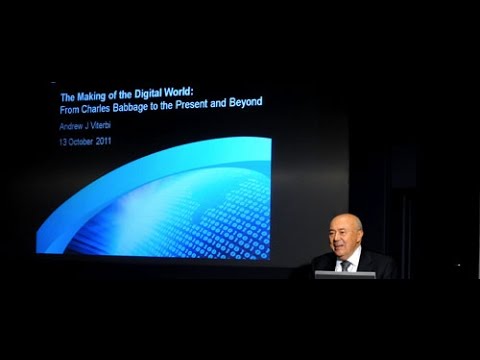
Andrew Viterbi is a renowned Italian-American electrical engineer and entrepreneur, best known for co-founding Qualcomm and developing the Viterbi algorithm, a key component of modern wireless communication systems. Born on March 9, 1935, in Bergamo, Italy, Viterbi's work has had a profound impact on the development of cellular networks, including CDMA (Code Division Multiple Access) technology. With a Vibe score of 82, Viterbi's influence on the tech industry is undeniable. His contributions have been recognized with numerous awards, including the National Medal of Technology and the Marconi Society Award. As a pioneer in the field, Viterbi's work continues to shape the future of wireless communication, with his algorithm remaining a crucial part of modern cellular networks. With the increasing demand for faster and more reliable wireless connectivity, Viterbi's legacy is poised to continue shaping the industry for years to come, sparking debates about the future of 5G and 6G networks.
📱 Introduction to Andrew Viterbi
Andrew Viterbi is a renowned Italian-American electrical engineer and entrepreneur, best known for his contributions to wireless communication and the development of the Viterbi algorithm. Born on March 9, 1935, in Bergamo, Italy, Viterbi's family immigrated to the United States when he was a young boy. He developed an interest in electronics and mathematics at an early age, which led him to pursue a career in engineering. Viterbi's work has had a significant impact on the development of cellular networks and mobile communication. He is also the co-founder of Qualcomm, a leading manufacturer of semiconductor products.
📚 Early Life and Education
Viterbi's early life and education played a crucial role in shaping his future. He attended the Massachusetts Institute of Technology (MIT), where he earned his Bachelor's and Master's degrees in electrical engineering. During his time at MIT, Viterbi was exposed to the works of Claude Shannon, a pioneer in information theory. This exposure had a profound impact on Viterbi's work, as he went on to develop the Viterbi algorithm, a key component of error correction in digital communication. Viterbi's education and early career were also influenced by his work with John Wozencraft, a prominent figure in the field of coding theory.
💻 Career and Contributions
Viterbi's career and contributions to wireless communication are numerous and significant. In the 1960s, he worked at Caltech, where he developed the Viterbi algorithm. This algorithm is a maximum likelihood decoding method that is used to correct errors in digital communication. The Viterbi algorithm has become a fundamental component of wireless communication systems, including cellular networks and mobile communication. Viterbi's work has also had a significant impact on the development of satellite communication and deep space communication. He has worked with numerous organizations, including NASA and the Department of Defense.
📡 The Viterbi Algorithm
The Viterbi algorithm is a complex mathematical method that is used to decode convolutional codes. These codes are used to correct errors in digital communication and are a crucial component of wireless communication systems. The Viterbi algorithm works by using a trellis diagram to represent the possible states of a convolutional code. The algorithm then uses a maximum likelihood method to determine the most likely state of the code, given the received signal. This process allows the Viterbi algorithm to correct errors in the received signal and provide a reliable method of digital communication. The Viterbi algorithm has been widely adopted in the field of wireless communication and is used in a variety of applications, including cellular networks and mobile communication.
📊 Applications of the Viterbi Algorithm
The applications of the Viterbi algorithm are numerous and varied. One of the most significant applications is in the field of wireless communication, where the algorithm is used to correct errors in digital communication. The Viterbi algorithm is also used in satellite communication and deep space communication, where it is used to correct errors in the transmission of digital data. In addition to its use in wireless communication, the Viterbi algorithm has also been used in a variety of other fields, including data storage and cryptography. The algorithm's ability to correct errors in digital communication makes it a crucial component of many modern technologies, including cellular networks and mobile communication.
📈 Impact on Wireless Communication
The impact of Andrew Viterbi's work on wireless communication cannot be overstated. His development of the Viterbi algorithm has had a profound impact on the field, enabling the widespread adoption of cellular networks and mobile communication. The Viterbi algorithm has also played a crucial role in the development of satellite communication and deep space communication. Viterbi's work has also had a significant impact on the development of wireless local area networks (WLANs) and wireless personal area networks (WPANs). His contributions to the field of wireless communication have been recognized with numerous awards, including the National Medal of Science and the Marconi Society award.
👥 Collaborations and Awards
Andrew Viterbi has collaborated with numerous individuals and organizations throughout his career. One of his most notable collaborations was with Irwin Jacobs, with whom he co-founded Qualcomm in 1985. Qualcomm has become a leading manufacturer of semiconductor products, and its technology is used in a wide range of applications, including cellular networks and mobile communication. Viterbi has also worked with numerous other organizations, including NASA and the Department of Defense. His collaborations have had a significant impact on the development of wireless communication and have enabled the widespread adoption of cellular networks and mobile communication.
🔍 Challenges and Controversies
Despite the many contributions that Andrew Viterbi has made to the field of wireless communication, there have been several challenges and controversies throughout his career. One of the most significant challenges has been the development of wireless communication systems that can operate in a variety of environments, including urban and rural areas. Viterbi has also faced challenges in the development of satellite communication and deep space communication systems, where the transmission of digital data must be reliable and efficient. In addition to these technical challenges, Viterbi has also faced controversy over the use of wireless communication systems, including concerns over health effects and security.
📊 Future of Wireless Communication
The future of wireless communication is likely to be shaped by a variety of factors, including the development of new technologies and the increasing demand for wireless data. Andrew Viterbi's work on the Viterbi algorithm has played a crucial role in the development of wireless communication systems, and his contributions are likely to continue to shape the field in the future. One of the most significant trends in wireless communication is the development of fifth-generation (5G) networks, which promise to provide faster and more reliable wireless data services. Viterbi's work on the Viterbi algorithm is likely to play a crucial role in the development of these networks, and his contributions to the field of wireless communication are likely to continue to shape the future of the industry.
👏 Legacy of Andrew Viterbi
Andrew Viterbi's legacy is one of innovation and contributions to the field of wireless communication. His development of the Viterbi algorithm has had a profound impact on the field, enabling the widespread adoption of cellular networks and mobile communication. Viterbi's work has also had a significant impact on the development of satellite communication and deep space communication. His contributions to the field of wireless communication have been recognized with numerous awards, including the National Medal of Science and the Marconi Society award. Viterbi's legacy is a testament to the power of innovation and the impact that one person can have on an entire industry.
📚 Conclusion and Further Reading
In conclusion, Andrew Viterbi is a renowned Italian-American electrical engineer and entrepreneur who has made significant contributions to the field of wireless communication. His development of the Viterbi algorithm has had a profound impact on the field, enabling the widespread adoption of cellular networks and mobile communication. Viterbi's work has also had a significant impact on the development of satellite communication and deep space communication. For further reading, see Viterbi algorithm, wireless communication, and Qualcomm.
Key Facts
- Year
- 1957
- Origin
- University of Southern California
- Category
- Technology
- Type
- Person
Frequently Asked Questions
What is the Viterbi algorithm?
The Viterbi algorithm is a maximum likelihood decoding method that is used to correct errors in digital communication. It was developed by Andrew Viterbi and is a key component of wireless communication systems, including cellular networks and mobile communication.
What is the significance of Andrew Viterbi's work?
Andrew Viterbi's work on the Viterbi algorithm has had a profound impact on the field of wireless communication, enabling the widespread adoption of cellular networks and mobile communication. His contributions have been recognized with numerous awards, including the National Medal of Science and the Marconi Society award.
What are some of the applications of the Viterbi algorithm?
The Viterbi algorithm has a variety of applications, including wireless communication, satellite communication, and deep space communication. It is also used in data storage and cryptography.
Who is Andrew Viterbi?
Andrew Viterbi is a renowned Italian-American electrical engineer and entrepreneur who has made significant contributions to the field of wireless communication. He is the co-founder of Qualcomm and has developed the Viterbi algorithm, which is a key component of wireless communication systems.
What is the future of wireless communication?
The future of wireless communication is likely to be shaped by a variety of factors, including the development of new technologies and the increasing demand for wireless data. Andrew Viterbi's work on the Viterbi algorithm is likely to continue to play a crucial role in the development of wireless communication systems, including fifth-generation networks.