
Contents
- 🌎 Introduction to Demographics
- 📊 Understanding Demographic Data
- 📈 Population Growth and Trends
- 👥 Age and Sex Distribution
- 🏙️ Urbanization and Migration
- 📊 Measuring Demographic Change
- 🔍 Analyzing Demographic Data
- 💡 Applications of Demographic Insights
- 🌐 Global Demographic Trends
- 📊 Demographic Modeling and Forecasting
- 🚨 Challenges and Limitations of Demographic Analysis
- Frequently Asked Questions
- Related Topics
Overview
Analyzing demographic data is a multifaceted discipline that involves examining the characteristics of populations, such as age, sex, income, and education level. By studying these trends, researchers can identify patterns and predict future changes, informing policy decisions and business strategies. For instance, the United Nations reports that the global population is projected to reach 9.7 billion by 2050, with significant implications for resource allocation and urban planning. Furthermore, demographic analysis can also reveal social and economic disparities, such as the fact that in 2020, the median wealth of white families in the United States was 12 times that of Black families, according to data from the Federal Reserve. As the world grapples with issues like climate change, migration, and economic inequality, the importance of demographic analysis will only continue to grow. With the rise of big data and advanced analytics, researchers can now tap into vast amounts of demographic information, from social media usage to census data, to gain a deeper understanding of human populations and their complexities. However, this also raises concerns about data privacy and the potential for demographic information to be used for discriminatory purposes, highlighting the need for responsible and ethical data analysis practices.
🌎 Introduction to Demographics
Demographics is the study of population characteristics, such as age, sex, and income. Understanding demographics is crucial for businesses, governments, and organizations to make informed decisions. For instance, the demographic analysis of a region can help businesses identify potential customers and tailor their marketing strategies. The population pyramid is a useful tool for visualizing the age and sex distribution of a population. By analyzing demographic data, organizations can gain valuable insights into population trends and patterns. The census data collected by governments provides a wealth of information on population demographics. Additionally, demographic research can help identify areas of high population growth and urbanization.
📊 Understanding Demographic Data
Demographic data is collected through various methods, including censuses, surveys, and administrative records. The American Community Survey is an example of a survey that collects demographic data on the US population. The United Nations Department of Economic and Social Affairs also collects and analyzes demographic data from around the world. Demographic data can be used to understand population trends, such as population growth and urbanization. By analyzing demographic data, researchers can identify patterns and trends that can inform policy decisions. The demographic transition model is a useful framework for understanding the relationship between population growth and economic development. Furthermore, demographic statistics can help identify areas of high population density and migration.
📈 Population Growth and Trends
Population growth and trends are critical components of demographic analysis. The world population is projected to reach 9.7 billion by 2050, with significant implications for resource allocation and environmental sustainability. The total fertility rate is a key indicator of population growth, and it has been declining in many countries. The life expectancy at birth is another important demographic indicator, and it has been increasing globally. By analyzing population trends, researchers can identify areas of high population growth and urbanization. The urban population is expected to continue growing, with significant implications for urban planning and development. The rural-urban migration is a significant demographic trend that can have major impacts on urban and rural areas. Moreover, population projections can help policymakers anticipate future demographic changes.
👥 Age and Sex Distribution
The age and sex distribution of a population is a critical aspect of demographic analysis. The age structure of a population can have significant implications for healthcare, education, and social security systems. The sex ratio at birth is another important demographic indicator, and it can have significant implications for population growth and development. By analyzing the age and sex distribution of a population, researchers can identify patterns and trends that can inform policy decisions. The youth population is a significant demographic group, and it can have major impacts on economic development and social stability. The aging population is another significant demographic trend, and it can have major implications for healthcare and social security systems. Furthermore, demographic diversity can have significant impacts on social cohesion and economic development.
🏙️ Urbanization and Migration
Urbanization and migration are significant demographic trends that can have major impacts on population growth and development. The urbanization rate is a key indicator of urban growth, and it has been increasing in many countries. The migration rate is another important demographic indicator, and it can have significant implications for population growth and development. By analyzing urbanization and migration trends, researchers can identify patterns and trends that can inform policy decisions. The city population is expected to continue growing, with significant implications for urban planning and development. The rural development is critical for reducing poverty and improving living standards in rural areas. Moreover, urban planning can help mitigate the negative impacts of urbanization and migration.
📊 Measuring Demographic Change
Measuring demographic change is critical for understanding population trends and patterns. The demographic indicators such as population growth rate, fertility rate, and life expectancy are essential for measuring demographic change. By analyzing demographic data, researchers can identify patterns and trends that can inform policy decisions. The census data collection is a critical component of demographic analysis, and it provides a wealth of information on population demographics. The survey research is another important method for collecting demographic data, and it can provide valuable insights into population trends and patterns. Furthermore, demographic modeling can help policymakers anticipate future demographic changes.
🔍 Analyzing Demographic Data
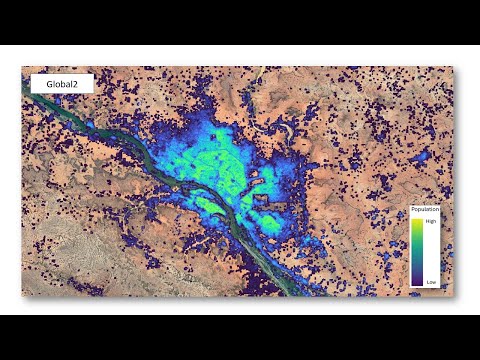
Analyzing demographic data is critical for understanding population trends and patterns. The demographic analysis software is a useful tool for analyzing demographic data, and it can provide valuable insights into population trends and patterns. By analyzing demographic data, researchers can identify patterns and trends that can inform policy decisions. The demographic research methods such as regression analysis and statistical modeling are essential for analyzing demographic data. The data visualization is a critical component of demographic analysis, and it can help communicate complex demographic data to policymakers and stakeholders. Moreover, demographic insights can help businesses and organizations make informed decisions about marketing, product development, and resource allocation.
💡 Applications of Demographic Insights
The applications of demographic insights are numerous and significant. The business demographics can help businesses identify potential customers and tailor their marketing strategies. The government demographics can help policymakers make informed decisions about resource allocation and policy development. By analyzing demographic data, researchers can identify patterns and trends that can inform policy decisions. The healthcare demographics is a critical component of demographic analysis, and it can provide valuable insights into healthcare trends and patterns. The education demographics is another important application of demographic insights, and it can help policymakers make informed decisions about education policy and resource allocation. Furthermore, demographic trends can help anticipate future demographic changes and inform policy decisions.
🌐 Global Demographic Trends
Global demographic trends are significant and far-reaching. The global population trends such as population growth, urbanization, and migration can have major impacts on economic development and social stability. By analyzing global demographic trends, researchers can identify patterns and trends that can inform policy decisions. The international migration is a significant demographic trend, and it can have major implications for population growth and development. The global aging is another significant demographic trend, and it can have major implications for healthcare and social security systems. Moreover, global demographic diversity can have significant impacts on social cohesion and economic development.
📊 Demographic Modeling and Forecasting
Demographic modeling and forecasting are critical components of demographic analysis. The demographic modeling techniques such as cohort-component method and statistical modeling are essential for forecasting population trends and patterns. By analyzing demographic data, researchers can identify patterns and trends that can inform policy decisions. The population projections are critical for anticipating future demographic changes and informing policy decisions. The demographic forecasting is another important application of demographic insights, and it can help policymakers make informed decisions about resource allocation and policy development. Furthermore, demographic scenarios can help anticipate future demographic changes and inform policy decisions.
🚨 Challenges and Limitations of Demographic Analysis
The challenges and limitations of demographic analysis are significant and far-reaching. The data quality issues such as missing data and measurement errors can have major impacts on demographic analysis. The demographic complexity is another significant challenge, and it can make it difficult to analyze and interpret demographic data. By analyzing demographic data, researchers can identify patterns and trends that can inform policy decisions. The demographic uncertainty is a critical component of demographic analysis, and it can have major implications for policy decisions. The demographic ethics is another important consideration, and it can help ensure that demographic analysis is conducted in an ethical and responsible manner. Moreover, demographic literacy can help policymakers and stakeholders understand demographic trends and patterns.
Key Facts
- Year
- 2022
- Origin
- Vibepedia.wiki
- Category
- Demography
- Type
- Concept
Frequently Asked Questions
What is demographics?
Demographics is the study of population characteristics, such as age, sex, and income. Understanding demographics is crucial for businesses, governments, and organizations to make informed decisions. Demographic analysis can help identify patterns and trends that can inform policy decisions. The demographic analysis of a region can help businesses identify potential customers and tailor their marketing strategies. Furthermore, demographic research can help identify areas of high population growth and urbanization.
What are the applications of demographic insights?
The applications of demographic insights are numerous and significant. The business demographics can help businesses identify potential customers and tailor their marketing strategies. The government demographics can help policymakers make informed decisions about resource allocation and policy development. By analyzing demographic data, researchers can identify patterns and trends that can inform policy decisions. The healthcare demographics is a critical component of demographic analysis, and it can provide valuable insights into healthcare trends and patterns.
What are the challenges and limitations of demographic analysis?
The challenges and limitations of demographic analysis are significant and far-reaching. The data quality issues such as missing data and measurement errors can have major impacts on demographic analysis. The demographic complexity is another significant challenge, and it can make it difficult to analyze and interpret demographic data. By analyzing demographic data, researchers can identify patterns and trends that can inform policy decisions. The demographic uncertainty is a critical component of demographic analysis, and it can have major implications for policy decisions.
What is demographic modeling and forecasting?
Demographic modeling and forecasting are critical components of demographic analysis. The demographic modeling techniques such as cohort-component method and statistical modeling are essential for forecasting population trends and patterns. By analyzing demographic data, researchers can identify patterns and trends that can inform policy decisions. The population projections are critical for anticipating future demographic changes and informing policy decisions. The demographic forecasting is another important application of demographic insights, and it can help policymakers make informed decisions about resource allocation and policy development.
What is the importance of demographic analysis?
Demographic analysis is crucial for understanding population trends and patterns. By analyzing demographic data, researchers can identify patterns and trends that can inform policy decisions. The demographic analysis of a region can help businesses identify potential customers and tailor their marketing strategies. Furthermore, demographic research can help identify areas of high population growth and urbanization. The demographic insights can help policymakers and stakeholders make informed decisions about resource allocation and policy development.
What are the key demographic indicators?
The key demographic indicators include population growth rate, fertility rate, life expectancy, and migration rate. The demographic indicators are essential for measuring demographic change and understanding population trends and patterns. By analyzing demographic data, researchers can identify patterns and trends that can inform policy decisions. The census data collected by governments provides a wealth of information on population demographics. Additionally, demographic statistics can help identify areas of high population density and migration.
What is the role of data visualization in demographic analysis?
Data visualization is a critical component of demographic analysis, and it can help communicate complex demographic data to policymakers and stakeholders. The data visualization techniques such as charts, graphs, and maps can help identify patterns and trends in demographic data. By analyzing demographic data, researchers can identify patterns and trends that can inform policy decisions. The demographic insights can help policymakers and stakeholders make informed decisions about resource allocation and policy development.