
Contents
- 🔍 Introduction to Aluminium
- 💡 Properties and Characteristics
- 🌎 Abundance and Distribution
- 🔬 Isotopes and Radioactivity
- 📈 Applications and Uses
- 💡 Corrosion and Protection
- 🌈 Aluminium Alloys
- 🚀 Future Prospects and Challenges
- 👥 Key Players and Research
- 📊 Economic Impact and Trade
- 🚫 Environmental Concerns and Sustainability
- Frequently Asked Questions
- Related Topics
Overview
Aluminium, with a vibe rating of 8, is a metal of contrasts, boasting a unique combination of strength, lightweight, and corrosion resistance, which has made it an indispensable material in various industries, including aerospace, automotive, and construction. However, its extraction and processing have significant environmental implications, including deforestation, water pollution, and energy consumption. The aluminium industry has a long history, dating back to 1825 when Danish chemist Hans Christian Ørsted first isolated the metal, and since then, it has undergone significant transformations, with companies like Alcoa and Rio Tinto playing major roles. Despite its widespread use, aluminium is also at the center of controversy, with debates surrounding its impact on human health, particularly in relation to Alzheimer's disease, and its contribution to climate change. As the world shifts towards more sustainable practices, the aluminium industry is under pressure to reduce its carbon footprint and develop more eco-friendly production methods. With a controversy spectrum of 6, aluminium is a topic that sparks intense discussions and requires a nuanced understanding of its benefits and drawbacks.
🔍 Introduction to Aluminium
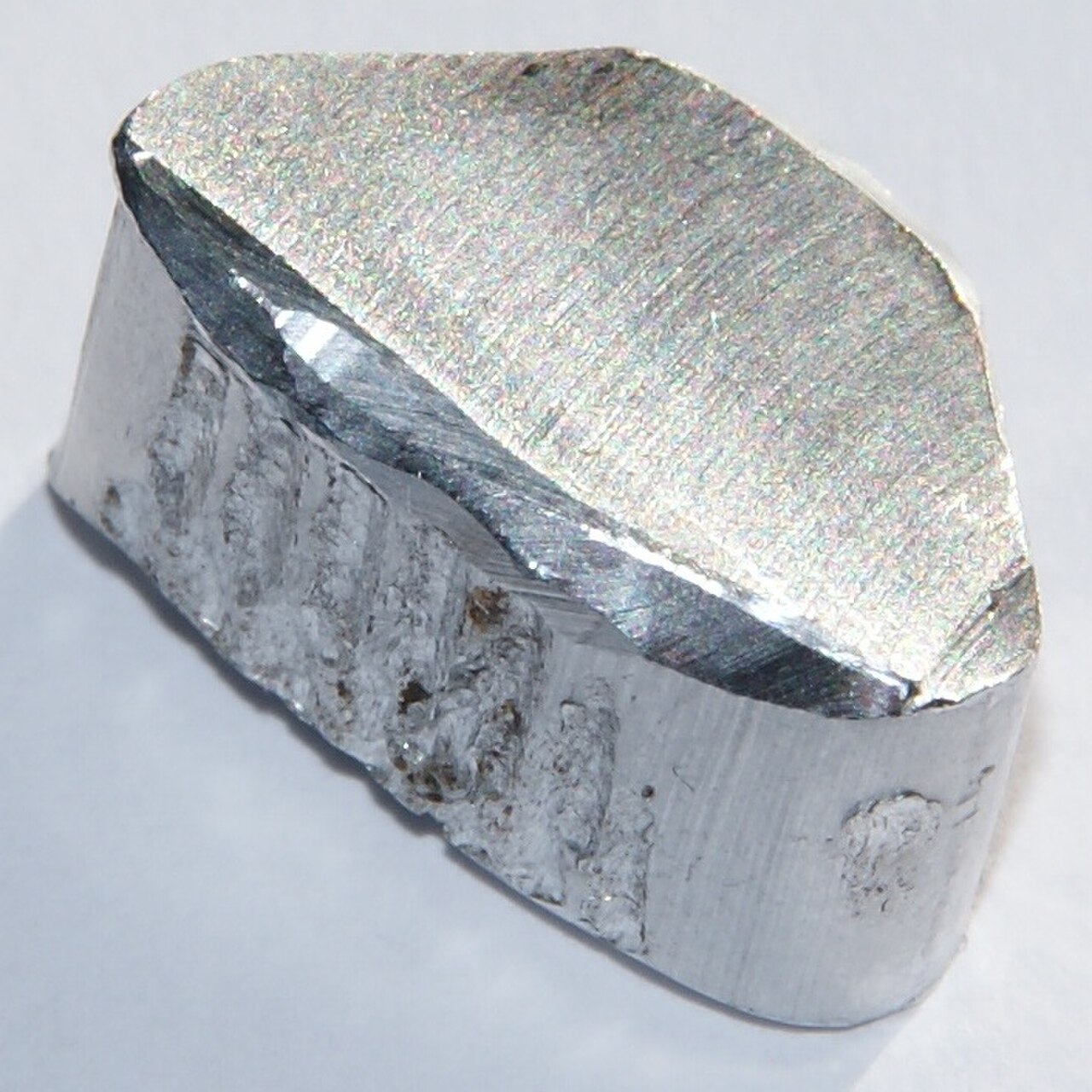
Aluminium, also known as aluminum, is a chemical element with the symbol Al and atomic number 13. It has a unique combination of properties that make it an essential material in various industries. As explained in Materials Science, aluminium has a density lower than other common metals, about one-third that of steel. This property makes it an ideal material for applications where weight is a critical factor, such as in the Aerospace Industry. Aluminium also has a great affinity toward oxygen, forming a protective layer of oxide on the surface when exposed to air, which is discussed in Corrosion Science. Additionally, its visual resemblance to silver, both in its color and in its great ability to reflect light, makes it a popular choice for decorative applications, as seen in Interior Design.
💡 Properties and Characteristics
The properties and characteristics of aluminium make it a versatile material. It is soft, nonmagnetic, and ductile, which allows it to be easily shaped and formed into various products. As mentioned in Metallurgy, aluminium has one stable isotope, 27Al, which is highly abundant, making aluminium the 12th-most abundant element in the universe. This abundance, combined with its unique properties, has led to the development of various Aluminium Alloys with improved strength and durability. Furthermore, the radioactivity of 26Al leads to it being used in Radiometric Dating, a technique used to determine the age of rocks and minerals, as discussed in Geology.
🌎 Abundance and Distribution
Aluminium is widely distributed in the Earth's crust, and its abundance makes it a crucial element in many industries. As explained in Geology, aluminium is the third-most abundant element in the Earth's crust, after oxygen and silicon. The extraction and processing of aluminium are complex processes that involve several stages, from mining to refining, as described in Mining Industry. The global demand for aluminium is increasing, driven by its use in various applications, including transportation, construction, and packaging, as seen in Supply Chain Management. The Aluminium Industry is a significant contributor to the global economy, with many countries relying on aluminium exports as a major source of revenue.
🔬 Isotopes and Radioactivity
The isotopes of aluminium have different properties and applications. The stable isotope 27Al is the most abundant, making up about 100% of natural aluminium. The radioactivity of 26Al, on the other hand, makes it useful for Radiometric Dating and other applications, as discussed in Nuclear Physics. The study of aluminium isotopes has also led to a deeper understanding of the element's properties and behavior, as explained in Isotope Science. Additionally, the analysis of aluminium isotopes has been used in Forensic Science to determine the origin and history of aluminium objects.
📈 Applications and Uses
Aluminium has a wide range of applications due to its unique combination of properties. It is used in the Aerospace Industry for building aircraft and spacecraft, as well as in the Automotive Industry for manufacturing vehicle parts. Aluminium is also used in Construction Industry for building facades, roofs, and other structural elements. Furthermore, its use in Packaging Industry has become increasingly popular due to its lightweight, corrosion-resistant, and recyclable properties, as discussed in Sustainable Packaging. The Aluminium Industry is constantly developing new products and applications, such as Aluminium Composites, which combine aluminium with other materials to create high-performance products.
💡 Corrosion and Protection
Corrosion is a significant concern when working with aluminium, as it can lead to the degradation of the material. However, the formation of a protective oxide layer on the surface of aluminium helps to prevent corrosion, as explained in Corrosion Science. Additionally, various techniques can be used to protect aluminium from corrosion, such as Anodizing and Coating. The use of Aluminium Alloys with improved corrosion resistance has also become increasingly popular, as discussed in Materials Engineering. Furthermore, the development of new Corrosion Inhibitors has helped to reduce the risk of corrosion in aluminium applications.
🌈 Aluminium Alloys
Aluminium alloys are widely used due to their improved strength, durability, and corrosion resistance. The addition of other elements, such as copper, zinc, and magnesium, can enhance the properties of aluminium, as explained in Metallurgy. The development of new aluminium alloys has led to the creation of high-performance materials with unique properties, such as Aluminium Lithium and Aluminium Scandium. These alloys are used in various applications, including Aerospace Industry and Automotive Industry. The study of aluminium alloys has also led to a deeper understanding of the relationships between the microstructure and properties of these materials, as discussed in Materials Science.
🚀 Future Prospects and Challenges
The future of aluminium is closely tied to the development of new technologies and applications. The increasing demand for sustainable and energy-efficient materials has led to the development of new aluminium products, such as Aluminium Composites and Aluminium Foams. The use of aluminium in Renewable Energy applications, such as solar panels and wind turbines, is also becoming increasingly popular, as discussed in Sustainable Energy. Furthermore, the development of new Aluminium Recycling technologies has helped to reduce the environmental impact of aluminium production, as explained in Waste Management.
👥 Key Players and Research
The aluminium industry is driven by research and development, with many organizations and companies working to improve the properties and applications of aluminium. The Aluminium Research Institute is a leading organization in the field, providing funding and support for research projects, as discussed in Research and Development. Companies such as Alcoa and Rio Tinto are also major players in the aluminium industry, investing heavily in research and development to improve their products and processes. Additionally, the development of new Aluminium Technologies has led to the creation of new products and applications, such as Aluminium 3D Printing.
📊 Economic Impact and Trade
The economic impact of the aluminium industry is significant, with many countries relying on aluminium exports as a major source of revenue. The global aluminium market is valued at over $150 billion, with the Aluminium Industry employing millions of people worldwide, as discussed in Economics. The trade of aluminium is also a significant aspect of the global economy, with many countries importing and exporting aluminium products, as explained in International Trade. Furthermore, the development of new Aluminium Products has led to the creation of new industries and job opportunities, such as Aluminium Fabrication.
🚫 Environmental Concerns and Sustainability
The environmental concerns associated with aluminium production are significant, with the extraction and processing of aluminium requiring large amounts of energy and water, as discussed in Environmental Science. The production of aluminium also generates greenhouse gas emissions, contributing to climate change, as explained in Climate Change. However, the development of new Aluminium Recycling technologies has helped to reduce the environmental impact of aluminium production, as discussed in Sustainable Development. Additionally, the use of aluminium in Sustainable Energy applications has helped to reduce the carbon footprint of the aluminium industry.
Key Facts
- Year
- 1825
- Origin
- Denmark
- Category
- Materials Science
- Type
- Chemical Element
Frequently Asked Questions
What is the symbol for aluminium?
The symbol for aluminium is Al, and its atomic number is 13. Aluminium is a chemical element that is widely used in various industries due to its unique combination of properties. As explained in Materials Science, aluminium has a density lower than other common metals, about one-third that of steel. This property makes it an ideal material for applications where weight is a critical factor, such as in the Aerospace Industry.
What are the main applications of aluminium?
Aluminium has a wide range of applications, including the Aerospace Industry, Automotive Industry, Construction Industry, and Packaging Industry. Its unique combination of properties, such as its low density, corrosion resistance, and recyclability, make it an ideal material for these applications. As discussed in Materials Engineering, the development of new Aluminium Alloys has led to the creation of high-performance materials with improved strength and durability.
What is the most abundant isotope of aluminium?
The most abundant isotope of aluminium is 27Al, which makes up about 100% of natural aluminium. This isotope is stable and has a number of applications, including Radiometric Dating and Nuclear Physics. As explained in Isotope Science, the study of aluminium isotopes has led to a deeper understanding of the element's properties and behavior.
How is aluminium protected from corrosion?
Aluminium is protected from corrosion through the formation of a protective oxide layer on its surface, as well as through various techniques such as Anodizing and Coating. The use of Aluminium Alloys with improved corrosion resistance has also become increasingly popular, as discussed in Materials Engineering. Additionally, the development of new Corrosion Inhibitors has helped to reduce the risk of corrosion in aluminium applications.
What is the future of aluminium?
The future of aluminium is closely tied to the development of new technologies and applications, such as Aluminium Composites and Aluminium Foams. The increasing demand for sustainable and energy-efficient materials has led to the development of new aluminium products, as discussed in Sustainable Energy. Furthermore, the development of new Aluminium Recycling technologies has helped to reduce the environmental impact of aluminium production, as explained in Waste Management.
What are the environmental concerns associated with aluminium production?
The environmental concerns associated with aluminium production are significant, with the extraction and processing of aluminium requiring large amounts of energy and water, as discussed in Environmental Science. The production of aluminium also generates greenhouse gas emissions, contributing to climate change, as explained in Climate Change. However, the development of new Aluminium Recycling technologies has helped to reduce the environmental impact of aluminium production, as discussed in Sustainable Development.
How is aluminium used in renewable energy applications?
Aluminium is used in various Renewable Energy applications, including solar panels and wind turbines, due to its unique combination of properties, such as its low density, corrosion resistance, and recyclability. As discussed in Sustainable Energy, the use of aluminium in renewable energy applications has helped to reduce the carbon footprint of the aluminium industry. Additionally, the development of new Aluminium Products has led to the creation of new industries and job opportunities, such as Aluminium Fabrication.