
Contents
- 🚀 Introduction to Air Forces
- 🛫️ History of Aerial Warfare
- 🚁 Branches of Air Forces
- 💣 Strategic and Tactical Bombing
- 📸 Aerial Reconnaissance and Surveillance
- 🛡️ Air Defense Systems
- 🤝 International Cooperation and Coalitions
- 🚀 Future of Air Forces
- 📊 Air Force Operations and Logistics
- 👥 Air Force Personnel and Training
- 🚁 Air Force Equipment and Technology
- Frequently Asked Questions
- Related Topics
Overview
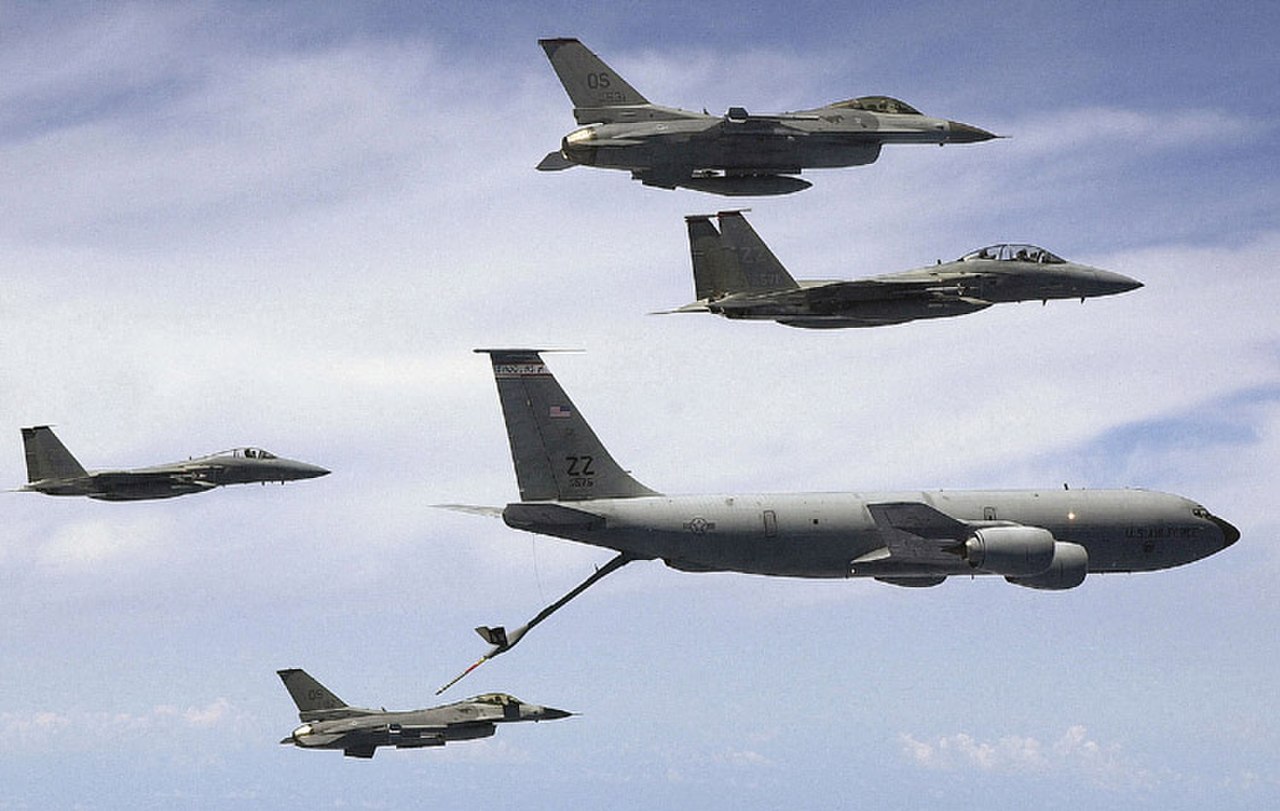
The air force, a branch of the military responsible for aerial warfare, has undergone significant transformations since its inception. With the first powered flight by the Wright brothers in 1903, the concept of air power gained momentum, and by World War I, air forces were established in several countries. The development of jet engines, radar, and missiles further revolutionized air warfare, with notable examples including the US Air Force's (USAF) deployment of the F-15 Eagle in 1976 and the Israeli Air Force's (IAF) use of drones in the 1980s. Today, air forces around the world are integrating advanced technologies, such as stealth aircraft, cyber warfare capabilities, and artificial intelligence, to enhance their operational effectiveness. The air force's role in modern warfare is multifaceted, encompassing air superiority, ground support, and strategic deterrence. As the nature of conflict continues to evolve, the air force must adapt to emerging challenges, including the proliferation of unmanned aerial vehicles (UAVs) and the increasing importance of space-based assets, with the USAF's Space Force established in 2020 as a notable example.
🚀 Introduction to Air Forces
The concept of an air force as a distinct branch of a nation's military has evolved significantly over the years. The primary role of an air force is to conduct aerial warfare, which involves gaining control of the air, carrying out strategic and tactical bombing missions, and providing support to land forces and naval forces. Air forces are also responsible for aerial reconnaissance and close air support. The history of air forces dates back to the early 20th century, when the first military aircraft were developed. Since then, air forces have played a crucial role in many conflicts, including World War I and World War II. Today, air forces continue to evolve, with a focus on advanced technology and international cooperation.
🛫️ History of Aerial Warfare
The history of aerial warfare is closely tied to the development of military aviation. The first military aircraft were used for reconnaissance and bombing missions during World War I. The use of air power continued to expand during World War II, with the development of strategic bombing and tactical bombing. The Cold War saw the rise of nuclear warfare and the development of intercontinental ballistic missiles. Today, air forces are involved in a range of conflicts, from counterinsurgency to humanitarian intervention. The role of air forces in modern warfare is complex and multifaceted, involving air superiority, close air support, and aerial reconnaissance.
🚁 Branches of Air Forces
Air forces are typically organized into several branches, each with its own unique role and responsibilities. The main branches of an air force include fighter aircraft, bomber aircraft, transport aircraft, and helicopter units. Air forces may also have special operations units, such as pararescue and combat control teams. In addition to these branches, air forces often have support units, such as logistics and maintenance teams. The organization of an air force can vary depending on the country and the specific mission requirements. For example, the United States Air Force has a number of different commands, including Air Combat Command and Air Mobility Command.
💣 Strategic and Tactical Bombing
Strategic and tactical bombing are key components of air force operations. Strategic bombing involves targeting an enemy's industrial and economic infrastructure, while tactical bombing involves targeting enemy troops and equipment on the battlefield. Air forces use a range of aircraft for bombing missions, including fighter-bombers and bomber aircraft. The use of precision-guided munitions has increased the accuracy and effectiveness of bombing missions. Air forces also use unmanned aerial vehicles (UAVs) for reconnaissance and strike missions. The development of hypersonic weapons is expected to further enhance the capabilities of air forces in the future.
📸 Aerial Reconnaissance and Surveillance
Aerial reconnaissance and surveillance are critical components of air force operations. Air forces use a range of aircraft and sensors to gather intelligence on enemy forces and positions. Reconnaissance aircraft are equipped with sensors and cameras to gather visual and electronic intelligence. Air forces also use unmanned aerial vehicles (UAVs) for reconnaissance and surveillance missions. The use of satellites and signals intelligence has also increased the capabilities of air forces in this area. The development of advanced sensors and artificial intelligence is expected to further enhance the capabilities of air forces in the future.
🛡️ Air Defense Systems
Air defense systems are critical for protecting air forces and air bases from enemy attack. Air defense systems include surface-to-air missiles, anti-aircraft artillery, and fighter aircraft. Air forces also use radar and command and control systems to detect and respond to enemy aircraft. The development of advanced air defense systems has increased the capabilities of air forces in this area. The use of network-centric warfare has also enhanced the capabilities of air forces by allowing for real-time sharing of information and coordination of responses.
🤝 International Cooperation and Coalitions
International cooperation and coalitions are increasingly important for air forces. Air forces often participate in international exercises and humanitarian operations with other countries. The North Atlantic Treaty Organization (NATO) and the coalition forces in Afghanistan and Iraq are examples of international cooperation and coalitions. Air forces also participate in peacekeeping and humanitarian intervention missions. The development of standardization and interoperability has increased the capabilities of air forces in this area.
🚀 Future of Air Forces
The future of air forces is likely to be shaped by a range of factors, including advanced technology and changing global security environment. The development of hypersonic weapons and unmanned aerial vehicles (UAVs) is expected to further enhance the capabilities of air forces. The use of artificial intelligence and machine learning is also expected to increase the effectiveness of air forces. The development of cyber warfare capabilities is also a key area of focus for air forces. As the global security environment continues to evolve, air forces will need to adapt and innovate to remain effective.
📊 Air Force Operations and Logistics
Air force operations and logistics are critical components of air force effectiveness. Air forces require a range of support units, including logistics and maintenance teams. The use of precision-guided munitions and unmanned aerial vehicles (UAVs) has increased the accuracy and effectiveness of air force operations. The development of advanced sensors and artificial intelligence is expected to further enhance the capabilities of air forces in this area. Air forces also require trained personnel to operate and maintain aircraft and equipment.
👥 Air Force Personnel and Training
Air force personnel and training are critical components of air force effectiveness. Air forces require trained personnel to operate and maintain aircraft and equipment. The use of simulators and virtual reality has increased the effectiveness of air force training. The development of advanced technology has also increased the need for continuous training and professional development. Air forces also require leadership and management skills to effectively lead and manage personnel and operations.
🚁 Air Force Equipment and Technology
Air force equipment and technology are critical components of air force effectiveness. Air forces use a range of aircraft, including fighter aircraft, bomber aircraft, and transport aircraft. The development of advanced technology has increased the capabilities of air forces, including the use of precision-guided munitions and unmanned aerial vehicles (UAVs). The use of artificial intelligence and machine learning is also expected to increase the effectiveness of air forces. Air forces also require maintenance and logistics support to ensure the continued operation of aircraft and equipment.
Key Facts
- Year
- 1903
- Origin
- Wright Brothers' First Flight, Kitty Hawk, North Carolina, USA
- Category
- Military
- Type
- Military Branch
Frequently Asked Questions
What is the primary role of an air force?
The primary role of an air force is to conduct aerial warfare, which involves gaining control of the air, carrying out strategic and tactical bombing missions, and providing support to land forces and naval forces. Air forces are also responsible for aerial reconnaissance and close air support.
What are the main branches of an air force?
The main branches of an air force include fighter aircraft, bomber aircraft, transport aircraft, and helicopter units. Air forces may also have special operations units, such as pararescue and combat control teams.
What is the role of air defense systems in air forces?
Air defense systems are critical for protecting air forces and air bases from enemy attack. Air defense systems include surface-to-air missiles, anti-aircraft artillery, and fighter aircraft. Air forces also use radar and command and control systems to detect and respond to enemy aircraft.
How do air forces participate in international cooperation and coalitions?
Air forces often participate in international exercises and humanitarian operations with other countries. The North Atlantic Treaty Organization (NATO) and the coalition forces in Afghanistan and Iraq are examples of international cooperation and coalitions. Air forces also participate in peacekeeping and humanitarian intervention missions.
What is the future of air forces?
The future of air forces is likely to be shaped by a range of factors, including advanced technology and changing global security environment. The development of hypersonic weapons and unmanned aerial vehicles (UAVs) is expected to further enhance the capabilities of air forces. The use of artificial intelligence and machine learning is also expected to increase the effectiveness of air forces.