
Contents
- 🚀 Introduction to Agile Project Planning
- 📊 History of Agile: From Waterfall to Iterative
- 🤝 Core Principles of Agile Project Planning
- 📈 Benefits of Agile: Flexibility and Adaptability
- 🚫 Challenges and Limitations of Agile Project Planning
- 📊 Agile Methodologies: Scrum, Kanban, and Lean
- 👥 Roles and Responsibilities in Agile Project Planning
- 📈 Metrics for Agile Success: Velocity, Burn-down, and Lead Time
- 🤝 Agile in Different Industries: From Software to Construction
- 📊 Future of Agile Project Planning: Trends and Predictions
- 📚 Best Practices for Implementing Agile Project Planning
- 📊 Case Studies: Agile Project Planning in Action
- Frequently Asked Questions
- Related Topics
Overview
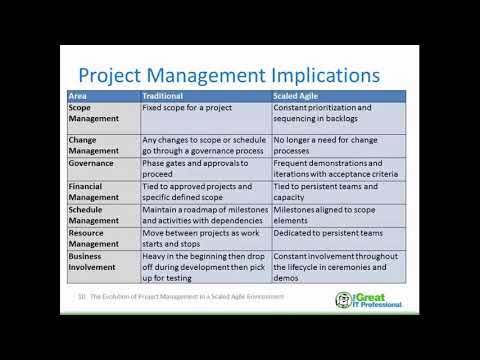
Agile project planning has been a cornerstone of software development and project management since its inception in the early 2000s, with the Agile Manifesto signed by 17 software developers in 2001. The methodology emphasizes flexibility, collaboration, and continuous improvement, with a focus on delivering working products in short cycles, known as sprints. Proponents, such as Jeff Sutherland and Ken Schwaber, argue that agile methods like Scrum and Kanban offer significant benefits over traditional waterfall approaches, including increased team productivity and customer satisfaction. However, critics argue that agile can be overly flexible, leading to a lack of clear goals and timelines. With a vibe score of 80, agile project planning remains a highly debated and influential topic in the project management community, with 71% of organizations reporting the use of agile methods. As the project management landscape continues to evolve, it will be interesting to see how agile adapts to emerging trends and technologies. The future of agile project planning may involve increased adoption of hybrid approaches, combining elements of agile with other methodologies, and greater emphasis on metrics and data-driven decision making.
🚀 Introduction to Agile Project Planning
Agile project planning has been a game-changer in the world of project management, allowing teams to respond quickly to change and deliver working products in short cycles. As discussed in The Agile Manifesto, the core values of agile are individuals and interactions, working software, customer collaboration, and responding to change. But is agile a revolution or an evolution in project planning? To answer this question, we need to delve into the history of agile and understand its core principles. According to Jeff Sutherland, one of the co-creators of Scrum, agile is a natural extension of the waterfall model. However, others argue that agile is a fundamentally different approach to project planning, one that emphasizes iterative development and continuous improvement.
📊 History of Agile: From Waterfall to Iterative
The history of agile project planning is a fascinating story that involves the contributions of many individuals and organizations. As described in A Brief History of Agile, the agile movement began in the early 2000s with the publication of The Agile Manifesto. This document, signed by 17 software developers, including Ken Beck and Jeff Sutherland, outlined the core values and principles of agile project planning. Since then, agile has evolved to include various methodologies, such as Scrum and Kanban. According to Martin Fowler, a well-known agile expert, the key to agile's success is its ability to respond to change management and deliver working software in short cycles.
🤝 Core Principles of Agile Project Planning
At its core, agile project planning is about embracing change and uncertainty. As discussed in The 12 Principles of Agile, agile teams prioritize customer collaboration and respond to change by delivering working software in short cycles. This approach requires a high degree of team collaboration and communication. According to Steve Denning, a well-known agile expert, the key to agile's success is its ability to create a learning organization that is capable of responding to change and delivering value to customers. For more information on agile principles, see Agile Coach.
📈 Benefits of Agile: Flexibility and Adaptability
One of the key benefits of agile project planning is its ability to deliver working software in short cycles. As described in The Benefits of Agile, agile teams can respond quickly to change and deliver value to customers in a matter of weeks or months. This approach also allows for continuous improvement and retrospectives, which help teams to identify areas for improvement and implement changes. According to Mary Poppendieck, a well-known agile expert, the key to agile's success is its ability to create a culture of agility that is capable of responding to change and delivering value to customers. For more information on agile benefits, see Agile Success.
🚫 Challenges and Limitations of Agile Project Planning
Despite its many benefits, agile project planning is not without its challenges and limitations. As discussed in The Challenges of Agile, agile teams can struggle with scaling agile to large and complex projects. Additionally, agile teams can struggle with agile estimation and agile planning, which require a high degree of team collaboration and communication. According to Lyssa Adkins, a well-known agile coach, the key to overcoming these challenges is to create a coaching agile teams approach that emphasizes team collaboration and communication. For more information on agile challenges, see Agile Failures.
📊 Agile Methodologies: Scrum, Kanban, and Lean
There are several agile methodologies that teams can use to implement agile project planning. As described in Agile Methodologies, Scrum is a popular agile methodology that emphasizes sprint planning and daily stand-up meetings. Kanban is another popular agile methodology that emphasizes visual management and limiting work in progress. According to David Anderson, the creator of Kanban, the key to agile's success is its ability to create a Kanban system that is capable of responding to change and delivering value to customers. For more information on agile methodologies, see Agile Frameworks.
👥 Roles and Responsibilities in Agile Project Planning
In agile project planning, roles and responsibilities are critical to success. As discussed in Agile Roles and Responsibilities, the product owner is responsible for prioritizing the product backlog and ensuring that the team has a clear understanding of the project requirements. The Scrum master is responsible for facilitating the Scrum process and ensuring that the team is following the principles of agile. According to Roman Pichler, a well-known agile expert, the key to agile's success is its ability to create a cross-functional team that is capable of responding to change and delivering value to customers. For more information on agile roles, see Agile Teams.
📈 Metrics for Agile Success: Velocity, Burn-down, and Lead Time
Metrics are critical to measuring the success of agile project planning. As described in Agile Metrics, velocity is a key metric that measures the amount of work that a team can complete in a given sprint. burn-down is another key metric that measures the amount of work remaining in a sprint. According to Mike Cohn, a well-known agile expert, the key to agile's success is its ability to create a metrics-driven approach that emphasizes continuous improvement. For more information on agile metrics, see Agile Measurement.
🤝 Agile in Different Industries: From Software to Construction
Agile project planning is not limited to the software industry. As discussed in Agile in Different Industries, agile is being used in a variety of industries, including construction and finance. According to Jim Highsmith, a well-known agile expert, the key to agile's success is its ability to create a culture of agility that is capable of responding to change and delivering value to customers. For more information on agile in different industries, see Agile Adoption.
📊 Future of Agile Project Planning: Trends and Predictions
The future of agile project planning is exciting and uncertain. As described in The Future of Agile, agile is evolving to include new methodologies and approaches, such as DevOps and scaled agile. According to Dean Leffingwell, a well-known agile expert, the key to agile's success is its ability to create a scaled agile framework that is capable of responding to change and delivering value to customers. For more information on the future of agile, see Agile Trends.
📚 Best Practices for Implementing Agile Project Planning
Implementing agile project planning requires a high degree of discipline and dedication. As discussed in Best Practices for Agile, teams should prioritize team collaboration and communication. According to Esther Derby, a well-known agile coach, the key to agile's success is its ability to create a coaching agile teams approach that emphasizes team collaboration and communication. For more information on best practices for agile, see Agile Coaching.
📊 Case Studies: Agile Project Planning in Action
There are many case studies that demonstrate the success of agile project planning. As described in Agile Case Studies, agile has been used to deliver complex projects in a variety of industries, including software development and construction. According to Lisa Crispin, a well-known agile expert, the key to agile's success is its ability to create a culture of agility that is capable of responding to change and delivering value to customers. For more information on agile case studies, see Agile Success Stories.
Key Facts
- Year
- 2001
- Origin
- Software Development
- Category
- Project Management
- Type
- Concept
Frequently Asked Questions
What is agile project planning?
Agile project planning is an approach to project management that emphasizes flexibility, adaptability, and continuous improvement. It involves delivering working software in short cycles and responding to change quickly. As discussed in The Agile Manifesto, the core values of agile are individuals and interactions, working software, customer collaboration, and responding to change. For more information on agile project planning, see Agile Project Planning.
What are the benefits of agile project planning?
The benefits of agile project planning include increased flexibility, adaptability, and responsiveness to change. Agile teams can deliver working software in short cycles, which allows for continuous improvement and feedback. As described in The Benefits of Agile, agile project planning also emphasizes customer collaboration and team collaboration. For more information on the benefits of agile, see Agile Advantages.
What are the challenges of agile project planning?
The challenges of agile project planning include scaling agile to large and complex projects, estimating and planning agile projects, and creating a culture of agility. Agile teams can struggle with scaling agile and agile estimation, which require a high degree of team collaboration and communication. As discussed in The Challenges of Agile, agile teams can also struggle with agile adoption and agile implementation. For more information on the challenges of agile, see Agile Disadvantages.
What are the different agile methodologies?
There are several agile methodologies, including Scrum, Kanban, and Lean. Each methodology has its own strengths and weaknesses, and teams should choose the one that best fits their needs and culture. As described in Agile Methodologies, Scrum is a popular agile methodology that emphasizes sprint planning and daily stand-up meetings. For more information on agile methodologies, see Agile Frameworks.
How do I implement agile project planning?
Implementing agile project planning requires a high degree of discipline and dedication. Teams should prioritize team collaboration and communication, and create a culture of agility that is capable of responding to change and delivering value to customers. As discussed in Best Practices for Agile, teams should also prioritize continuous improvement and retrospectives. For more information on implementing agile, see Agile Implementation.
What are the metrics for agile success?
The metrics for agile success include velocity, burn-down, and lead time. These metrics help teams to measure their progress and identify areas for improvement. As described in Agile Metrics, velocity is a key metric that measures the amount of work that a team can complete in a given sprint. For more information on agile metrics, see Agile Measurement.
Can agile be used in different industries?
Yes, agile can be used in a variety of industries, including construction, finance, and healthcare. Agile is not limited to the software industry, and its principles and methodologies can be applied to any project that requires flexibility, adaptability, and continuous improvement. As discussed in Agile in Different Industries, agile is being used in a variety of industries to deliver complex projects and respond to change quickly. For more information on agile in different industries, see Agile Adoption.