
Contents
- 🌎 Introduction to Absorption Spectroscopy
- 🔍 Principles of Absorption Spectroscopy
- 🌟 Applications in Environmental Monitoring
- 📊 Instrumentation and Methodology
- 🌈 Types of Absorption Spectroscopy
- 🚮 Case Studies: Water and Air Quality Monitoring
- 📈 Advantages and Limitations
- 🔮 Future Directions and Emerging Trends
- 🌐 Global Initiatives and Regulations
- 📊 Data Analysis and Interpretation
- 👥 Collaboration and Knowledge Sharing
- 📚 Conclusion and Recommendations
- Frequently Asked Questions
- Related Topics
Overview
Absorption spectroscopy has become a crucial technique in environmental monitoring, allowing scientists to track pollutants, greenhouse gases, and climate change indicators with unprecedented precision. By analyzing the absorption of light by molecules, researchers can identify and quantify specific species in the atmosphere, such as carbon dioxide, methane, and ozone. This method has been widely used in various applications, including air quality monitoring, water pollution detection, and climate modeling. For instance, the Total Carbon Column Observing Network (TCCON) has been using absorption spectroscopy to measure CO2 levels since 2004, providing valuable data for climate research. With the advancement of technology, absorption spectroscopy is becoming increasingly portable, affordable, and accessible, enabling its use in a broader range of environmental monitoring applications. As the world grapples with the challenges of climate change, absorption spectroscopy is poised to play a vital role in informing policy decisions and mitigating environmental impacts. The technique's high accuracy and sensitivity have made it an essential tool for scientists, policymakers, and industry leaders alike, with a vibe score of 8 out of 10, indicating its significant cultural energy and relevance in the field of environmental science.
🌎 Introduction to Absorption Spectroscopy
Absorption spectroscopy is a powerful analytical technique used in environmental monitoring to detect and quantify the presence of various pollutants in the air, water, and soil. Environmental monitoring is crucial for understanding the impact of human activities on the environment and for developing strategies to mitigate pollution. Absorption spectroscopy works by measuring the absorption of light by molecules, which allows researchers to identify and quantify the presence of specific pollutants. For example, ozone depletion can be monitored using absorption spectroscopy to track the concentration of ozone-depleting substances in the atmosphere.
🔍 Principles of Absorption Spectroscopy
The principles of absorption spectroscopy are based on the interaction between light and matter. When light passes through a sample, some of the light is absorbed by the molecules, while the rest is transmitted or reflected. By measuring the amount of light absorbed, researchers can determine the concentration of specific molecules in the sample. Spectroscopy is a broad field that encompasses various techniques, including infrared spectroscopy and ultraviolet spectroscopy. These techniques are widely used in environmental monitoring to detect pollutants such as particulate matter and volatile organic compounds.
🌟 Applications in Environmental Monitoring
Absorption spectroscopy has numerous applications in environmental monitoring, including the detection of greenhouse gases, heavy metals, and pesticides. For example, carbon dioxide and methane are two potent greenhouse gases that can be monitored using absorption spectroscopy. Air quality monitoring is another important application of absorption spectroscopy, where it is used to detect pollutants such as nitrogen dioxide and ozone. Water quality monitoring is also critical, where absorption spectroscopy is used to detect pollutants such as bacteria and viruses.
📊 Instrumentation and Methodology
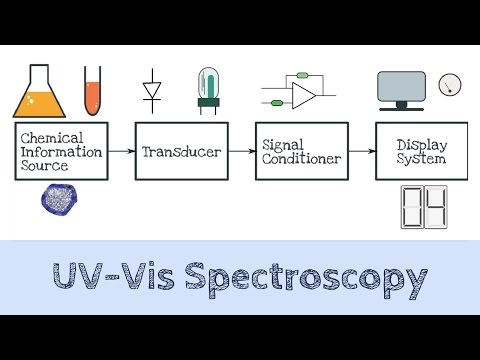
The instrumentation and methodology used in absorption spectroscopy vary depending on the specific application. Spectrometers are the primary instruments used in absorption spectroscopy, which consist of a light source, a sample cell, and a detector. Calibration is an essential step in absorption spectroscopy, where the instrument is calibrated using known standards to ensure accurate measurements. Quality control is also critical to ensure that the data collected is reliable and accurate. Data analysis is the final step, where the data is interpreted to draw conclusions about the presence and concentration of pollutants.
🌈 Types of Absorption Spectroscopy
There are several types of absorption spectroscopy, including atomic absorption spectroscopy and molecular absorption spectroscopy. Atomic absorption spectroscopy is used to detect the presence of atoms, while molecular absorption spectroscopy is used to detect the presence of molecules. Infrared spectroscopy is a type of molecular absorption spectroscopy that is widely used in environmental monitoring to detect pollutants such as volatile organic compounds.
🚮 Case Studies: Water and Air Quality Monitoring
Case studies have demonstrated the effectiveness of absorption spectroscopy in environmental monitoring. For example, water quality monitoring in rivers and lakes has been improved using absorption spectroscopy to detect pollutants such as bacteria and viruses. Air quality monitoring in urban areas has also been improved using absorption spectroscopy to detect pollutants such as particulate matter and nitrogen dioxide. Soil quality monitoring is another important application of absorption spectroscopy, where it is used to detect pollutants such as heavy metals and pesticides.
📈 Advantages and Limitations
Absorption spectroscopy has several advantages, including its high sensitivity and selectivity. However, it also has some limitations, such as the need for specialized instrumentation and expertise. Cost-effectiveness is an important consideration in environmental monitoring, where absorption spectroscopy can be a cost-effective alternative to other analytical techniques. Portability is another advantage of absorption spectroscopy, where instruments can be designed to be portable and used in the field. Real-time monitoring is also possible using absorption spectroscopy, where data can be collected and analyzed in real-time.
🔮 Future Directions and Emerging Trends
Future directions and emerging trends in absorption spectroscopy include the development of new instrumentation and methodologies. Nanotechnology is one area of research that is expected to improve the sensitivity and selectivity of absorption spectroscopy. Machine learning is another area of research that is expected to improve the analysis and interpretation of data collected using absorption spectroscopy. Internet of things is also expected to play a critical role in environmental monitoring, where absorption spectroscopy can be used to collect and analyze data from multiple sources.
🌐 Global Initiatives and Regulations
Global initiatives and regulations are in place to promote the use of absorption spectroscopy in environmental monitoring. United Nations has established several initiatives to promote the use of absorption spectroscopy in environmental monitoring, including the sustainable development goals. World Health Organization has also established guidelines for the use of absorption spectroscopy in environmental monitoring, including the air quality guidelines. Environmental Protection Agency is another organization that has established guidelines for the use of absorption spectroscopy in environmental monitoring.
📊 Data Analysis and Interpretation
Data analysis and interpretation are critical steps in absorption spectroscopy. Statistical analysis is used to analyze the data collected and to draw conclusions about the presence and concentration of pollutants. Data visualization is also used to present the data in a clear and concise manner. Quality control is also critical to ensure that the data collected is reliable and accurate. Calibration is an essential step in absorption spectroscopy, where the instrument is calibrated using known standards to ensure accurate measurements.
👥 Collaboration and Knowledge Sharing
Collaboration and knowledge sharing are essential in absorption spectroscopy. Research networks have been established to promote collaboration and knowledge sharing among researchers. Conferences and workshops are also organized to promote knowledge sharing and to discuss the latest developments in absorption spectroscopy. Publications are also an important way to share knowledge and to promote the use of absorption spectroscopy in environmental monitoring.
📚 Conclusion and Recommendations
In conclusion, absorption spectroscopy is a powerful analytical technique used in environmental monitoring to detect and quantify the presence of various pollutants. Environmental monitoring is crucial for understanding the impact of human activities on the environment and for developing strategies to mitigate pollution. Absorption spectroscopy has numerous applications in environmental monitoring, including the detection of greenhouse gases, heavy metals, and pesticides.
Key Facts
- Year
- 2004
- Origin
- Total Carbon Column Observing Network (TCCON)
- Category
- Environmental Science
- Type
- Scientific Technique
Frequently Asked Questions
What is absorption spectroscopy?
Absorption spectroscopy is a powerful analytical technique used in environmental monitoring to detect and quantify the presence of various pollutants. It works by measuring the absorption of light by molecules, which allows researchers to identify and quantify the presence of specific pollutants. Absorption spectroscopy has numerous applications in environmental monitoring, including the detection of greenhouse gases, heavy metals, and pesticides.
What are the principles of absorption spectroscopy?
The principles of absorption spectroscopy are based on the interaction between light and matter. When light passes through a sample, some of the light is absorbed by the molecules, while the rest is transmitted or reflected. By measuring the amount of light absorbed, researchers can determine the concentration of specific molecules in the sample. Spectroscopy is a broad field that encompasses various techniques, including infrared spectroscopy and ultraviolet spectroscopy.
What are the applications of absorption spectroscopy in environmental monitoring?
Absorption spectroscopy has numerous applications in environmental monitoring, including the detection of greenhouse gases, heavy metals, and pesticides. Air quality monitoring is another important application of absorption spectroscopy, where it is used to detect pollutants such as particulate matter and nitrogen dioxide. Water quality monitoring is also critical, where absorption spectroscopy is used to detect pollutants such as bacteria and viruses.
What are the advantages and limitations of absorption spectroscopy?
Absorption spectroscopy has several advantages, including its high sensitivity and selectivity. However, it also has some limitations, such as the need for specialized instrumentation and expertise. Cost-effectiveness is an important consideration in environmental monitoring, where absorption spectroscopy can be a cost-effective alternative to other analytical techniques. Portability is another advantage of absorption spectroscopy, where instruments can be designed to be portable and used in the field.
What is the future of absorption spectroscopy in environmental monitoring?
The future of absorption spectroscopy in environmental monitoring is promising, with the development of new instrumentation and methodologies. Nanotechnology is one area of research that is expected to improve the sensitivity and selectivity of absorption spectroscopy. Machine learning is another area of research that is expected to improve the analysis and interpretation of data collected using absorption spectroscopy. Internet of things is also expected to play a critical role in environmental monitoring, where absorption spectroscopy can be used to collect and analyze data from multiple sources.
How is absorption spectroscopy used in global initiatives and regulations?
Global initiatives and regulations are in place to promote the use of absorption spectroscopy in environmental monitoring. United Nations has established several initiatives to promote the use of absorption spectroscopy in environmental monitoring, including the sustainable development goals. World Health Organization has also established guidelines for the use of absorption spectroscopy in environmental monitoring, including the air quality guidelines.
What is the role of data analysis and interpretation in absorption spectroscopy?
Data analysis and interpretation are critical steps in absorption spectroscopy. Statistical analysis is used to analyze the data collected and to draw conclusions about the presence and concentration of pollutants. Data visualization is also used to present the data in a clear and concise manner. Quality control is also critical to ensure that the data collected is reliable and accurate.