
Contents
Overview
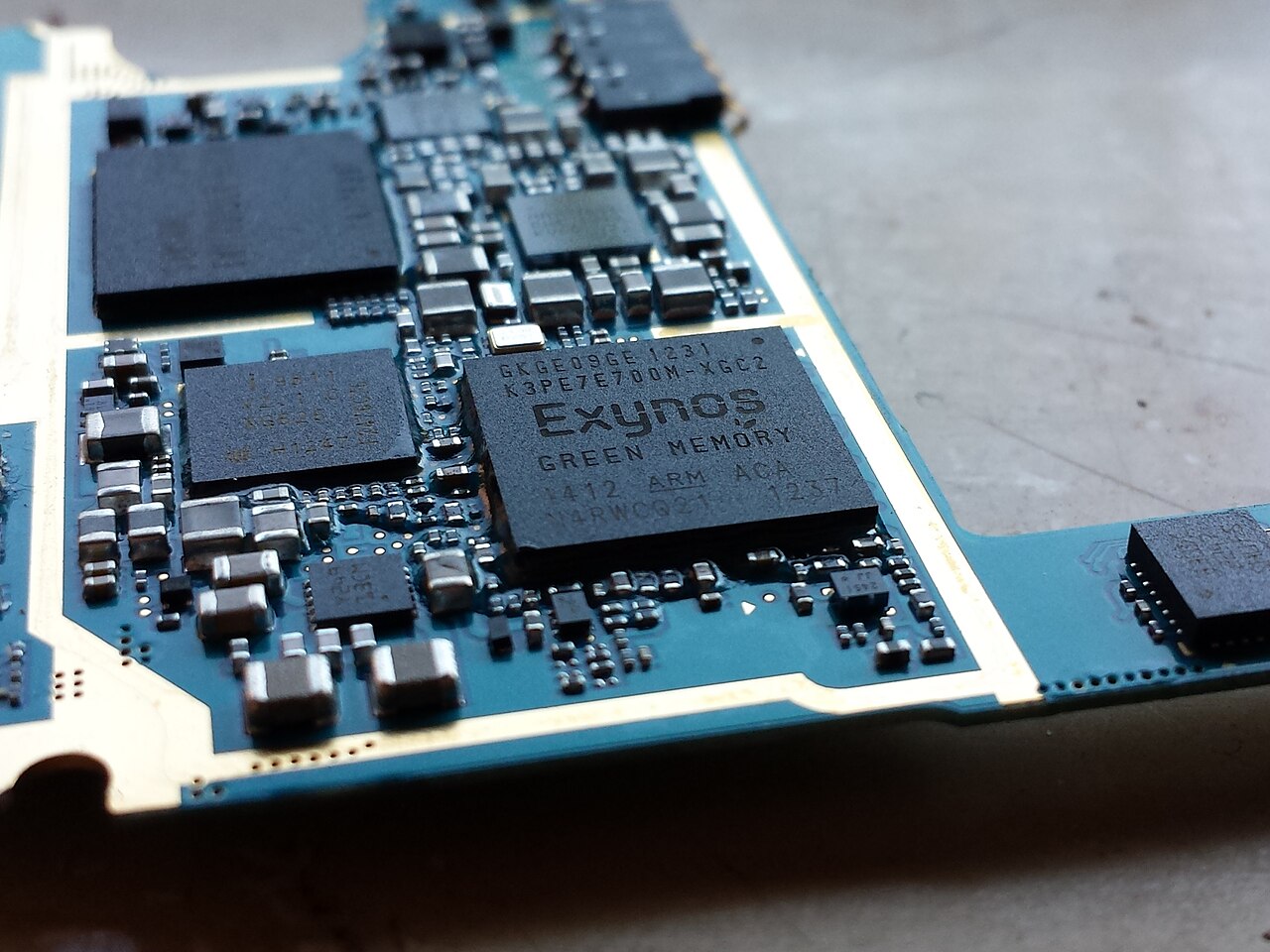
The System on Chip (SoC) is a revolutionary concept in the field of electronics and computing, enabling the integration of most or all key components of a computer or electronic system onto a single microchip. This concept has been around since the 1970s, but it wasn't until the 1990s that SoC started gaining popularity with the advent of Microprocessors and Embedded Systems. The SoC combines a Central Processing Unit (CPU) with memory, input/output, and data storage control functions, making it a crucial component in modern electronics. As technology advances, SoC is becoming increasingly important in the development of Internet of Things (IoT) devices and Artificial Intelligence (AI) systems. With the help of SoC Design, manufacturers can create more efficient and powerful devices.
💻 Components of an SoC
A typical SoC includes a CPU with memory, input/output, and data storage control functions, along with optional features like a Graphics Processing Unit (GPU), Wi-Fi connectivity, and Radio Frequency (RF) processing. The CPU is the brain of the SoC, responsible for executing instructions and handling data processing. The memory and input/output functions enable the SoC to interact with the outside world, while the data storage control functions manage the flow of data within the system. Additional features like GPU and Wi-Fi connectivity enhance the capabilities of the SoC, making it suitable for a wide range of applications. The integration of these components onto a single chip reduces the need for separate, discrete components, thereby enhancing Power Efficiency and simplifying device design. This is particularly important in the development of Portable Electronics and Wearable Technology.
🔌 Integration and Power Efficiency
The high level of integration in SoC minimizes the need for separate, discrete components, thereby enhancing Power Efficiency and simplifying device design. This is achieved through the use of advanced Semiconductor Manufacturing techniques, such as Complementary Metal-Oxide-Semiconductor (CMOS) and Fin Field-Effect Transistor (FinFET). These techniques enable the creation of smaller, faster, and more efficient transistors, which are the building blocks of modern electronics. The reduced power consumption and increased efficiency of SoC make it an attractive solution for Mobile Devices and IoT applications. Furthermore, the simplified device design enables manufacturers to reduce production costs and improve Time-to-Market. As a result, SoC is widely used in the development of Consumer Electronics and Industrial Automation systems.
📈 Advantages of SoC Design
The advantages of SoC design are numerous, including enhanced Power Efficiency, reduced Form Factor, and improved Performance. The integration of multiple components onto a single chip reduces the need for separate power supplies, cooling systems, and other support components, resulting in a more efficient and compact design. This makes SoC an ideal solution for Portable Electronics and Wearable Technology, where size and power consumption are critical factors. Additionally, the simplified device design and reduced component count enable manufacturers to improve Reliability and reduce Maintenance costs. As a result, SoC is widely used in the development of Medical Devices and Aerospace Electronics. The use of SoC also enables the creation of more complex and sophisticated systems, such as Artificial Intelligence (AI) and Machine Learning (ML) systems.
📊 SoC in Modern Electronics
SoC is widely used in modern electronics, including Smartphones, Tablets, and Laptops. The integration of multiple components onto a single chip enables manufacturers to create more efficient and powerful devices, with improved Performance and reduced Power Consumption. SoC is also used in the development of IoT devices, such as Smart Home Devices and Wearable Technology. The use of SoC in these applications enables the creation of more complex and sophisticated systems, with improved Connectivity and Security. Furthermore, the reduced size and power consumption of SoC make it an ideal solution for Portable Electronics and Mobile Devices. As a result, SoC is a crucial component in the development of 5G Networks and Edge Computing systems.
🔍 SoC Design and Manufacturing
The design and manufacturing of SoC involve several complex steps, including SoC Design, Semiconductor Manufacturing, and Testing and Validation. The SoC design process involves the creation of a detailed specification of the system, including the selection of components, definition of interfaces, and specification of performance requirements. The semiconductor manufacturing process involves the creation of the physical chip, using advanced techniques such as CMOS and FinFET. The testing and validation process involves the verification of the SoC's functionality and performance, using a range of tools and techniques. The use of CAD Design and Simulation Tools enables designers to create and test complex SoC designs, reducing the risk of errors and improving Time-to-Market.
🤖 Applications of SoC
SoC has a wide range of applications, including Consumer Electronics, Industrial Automation, and Medical Devices. The integration of multiple components onto a single chip enables manufacturers to create more efficient and powerful devices, with improved Performance and reduced Power Consumption. SoC is also used in the development of Artificial Intelligence (AI) and Machine Learning (ML) systems, where the integration of multiple components enables the creation of more complex and sophisticated systems. Additionally, the use of SoC in IoT devices enables the creation of more connected and interactive systems, with improved Connectivity and Security. The use of SoC in Autonomous Vehicles and Smart Cities is also becoming increasingly popular, enabling the creation of more efficient and sustainable systems.
📢 Future of SoC Technology
The future of SoC technology is exciting, with several trends and developments on the horizon. One of the most significant trends is the increasing use of Artificial Intelligence (AI) and Machine Learning (ML) in SoC design, enabling the creation of more complex and sophisticated systems. Another trend is the growing demand for IoT devices, which is driving the development of more efficient and powerful SoC solutions. The use of Quantum Computing and Neuromorphic Computing in SoC design is also becoming increasingly popular, enabling the creation of more efficient and adaptive systems. As a result, SoC is expected to play a crucial role in the development of Future Technologies, including 5G Networks, Edge Computing, and Smart Cities.
📊 SoC Market Trends
The SoC market is expected to grow significantly in the coming years, driven by the increasing demand for IoT devices, Artificial Intelligence (AI), and Machine Learning (ML). The market is dominated by several major players, including Qualcomm, Intel, and ARM. The use of SoC in Consumer Electronics and Industrial Automation is also driving the growth of the market, with the increasing demand for more efficient and powerful devices. The market trends are also influenced by the growing demand for 5G Networks and Edge Computing, which is driving the development of more efficient and powerful SoC solutions. As a result, the SoC market is expected to reach new heights in the coming years, with the increasing adoption of SoC in various industries.
📝 Conclusion
In conclusion, SoC is a crucial component in modern electronics, enabling the integration of multiple components onto a single chip. The advantages of SoC design, including enhanced Power Efficiency, reduced Form Factor, and improved Performance, make it an ideal solution for a wide range of applications. The use of SoC in IoT devices, Artificial Intelligence (AI), and Machine Learning (ML) systems is driving the growth of the market, with the increasing demand for more efficient and powerful devices. As the technology continues to evolve, we can expect to see even more innovative applications of SoC in the future, enabling the creation of more complex and sophisticated systems.
Key Facts
- Year
- 2022
- Origin
- The concept of SoC was first introduced in the 1970s, but it wasn't until the 1990s that the technology began to gain widespread adoption.
- Category
- Electronics and Computing
- Type
- Technology
Frequently Asked Questions
What is a System on Chip (SoC)?
A System on Chip (SoC) is an integrated circuit that combines most or all key components of a computer or electronic system onto a single microchip. The SoC includes a Central Processing Unit (CPU) with memory, input/output, and data storage control functions, along with optional features like a Graphics Processing Unit (GPU), Wi-Fi connectivity, and Radio Frequency (RF) processing.
What are the advantages of SoC design?
The advantages of SoC design include enhanced Power Efficiency, reduced Form Factor, and improved Performance. The integration of multiple components onto a single chip reduces the need for separate power supplies, cooling systems, and other support components, resulting in a more efficient and compact design.
What are the applications of SoC?
SoC has a wide range of applications, including Consumer Electronics, Industrial Automation, and Medical Devices. The integration of multiple components onto a single chip enables manufacturers to create more efficient and powerful devices, with improved Performance and reduced Power Consumption.
What is the future of SoC technology?
The future of SoC technology is exciting, with several trends and developments on the horizon. One of the most significant trends is the increasing use of Artificial Intelligence (AI) and Machine Learning (ML) in SoC design, enabling the creation of more complex and sophisticated systems. Another trend is the growing demand for IoT devices, which is driving the development of more efficient and powerful SoC solutions.
What are the market trends for SoC?
The SoC market is expected to grow significantly in the coming years, driven by the increasing demand for IoT devices, Artificial Intelligence (AI), and Machine Learning (ML). The market is dominated by several major players, including Qualcomm, Intel, and ARM.