
Contents
- 🎵 Origins & History
- ⚙️ How It Works
- 📊 Key Facts & Numbers
- 👥 Key People & Organizations
- 🌍 Cultural Impact & Influence
- ⚡ Current State & Latest Developments
- 🤔 Controversies & Debates
- 🔮 Future Outlook & Predictions
- 💡 Practical Applications
- 📚 Related Topics & Deeper Reading
- Frequently Asked Questions
- References
- Related Topics
Overview
The Red Cross is a global humanitarian movement with approximately 16 million volunteers, members, and staff worldwide, founded to protect human life and health, ensure respect for all human beings, and prevent and alleviate human suffering. With a rich history dating back to 1863, the Red Cross has been at the forefront of disaster response, blood donations, and community service. From its humble beginnings in Geneva, Switzerland, to its current global presence, the Red Cross has remained committed to its core principles of humanity, impartiality, neutrality, independence, voluntary service, unity, and universality. Today, the Red Cross continues to play a vital role in promoting health, safety, and well-being in communities around the world, with a strong focus on disaster relief, education, and advocacy. With its extensive network of volunteers, donors, and partners, the Red Cross is well-equipped to respond to emerging crises and address the complex health challenges of the 21st century. As a testament to its enduring legacy, the Red Cross remains an iconic symbol of hope, compassion, and resilience, inspiring countless individuals and organizations to join its mission of creating a more humane and equitable world.
🎵 Origins & History
The Red Cross was founded in 1863 by Henry Dunant, a Swiss businessman and social activist, who was inspired by the suffering of soldiers during the Battle of Solferino. Dunant's vision was to create a humanitarian movement that would provide aid to those affected by conflict and disaster, regardless of their nationality or background. The first national society of the Red Cross was established in Belgium in 1864, and soon after, other countries followed suit. Today, the Red Cross is a global movement with 192 national societies, working together to promote health, safety, and well-being in communities around the world. The Red Cross has a long history of innovation, from the development of blood banks to the use of digital technologies for disaster response and recovery.
⚙️ How It Works
The Red Cross works through a network of national societies, each with its own governance structure and programs. The movement is guided by its core principles of humanity, impartiality, neutrality, independence, voluntary service, unity, and universality. The Red Cross provides a range of services, including disaster response, blood donations, and community health programs. The movement also advocates for policies and practices that promote health, safety, and well-being, and works to strengthen the resilience of communities to disasters and crises. The Red Cross has partnerships with organizations such as UNICEF, WHO, and UNHCR to support its humanitarian work.
📊 Key Facts & Numbers
The Red Cross has a significant impact on global health and humanitarian issues. In 2020, the movement responded to over 30,000 disasters and crises, providing aid to millions of people. The Red Cross also collects and distributes over 40% of the world's blood supply, and provides training and education to millions of people in first aid, disaster response, and community health. The movement has a strong focus on promoting health and well-being, particularly in vulnerable communities, and works to address the social determinants of health, such as poverty, inequality, and lack of access to education and healthcare. The Red Cross has a budget of over $3 billion, with funding from a range of sources, including donations, grants, and government funding.
👥 Key People & Organizations
The Red Cross has a number of key people and organizations that play a crucial role in its work. Francesco Rocca is the current President of the International Federation of Red Cross and Red Crescent Societies, and has been a leading figure in the movement's efforts to promote health and well-being in communities around the world. The Red Cross also works closely with other humanitarian organizations, such as Doctors Without Borders and Oxfam, to support its humanitarian work. The movement has a strong partnership with Google, which provides support for its disaster response and recovery efforts.
🌍 Cultural Impact & Influence
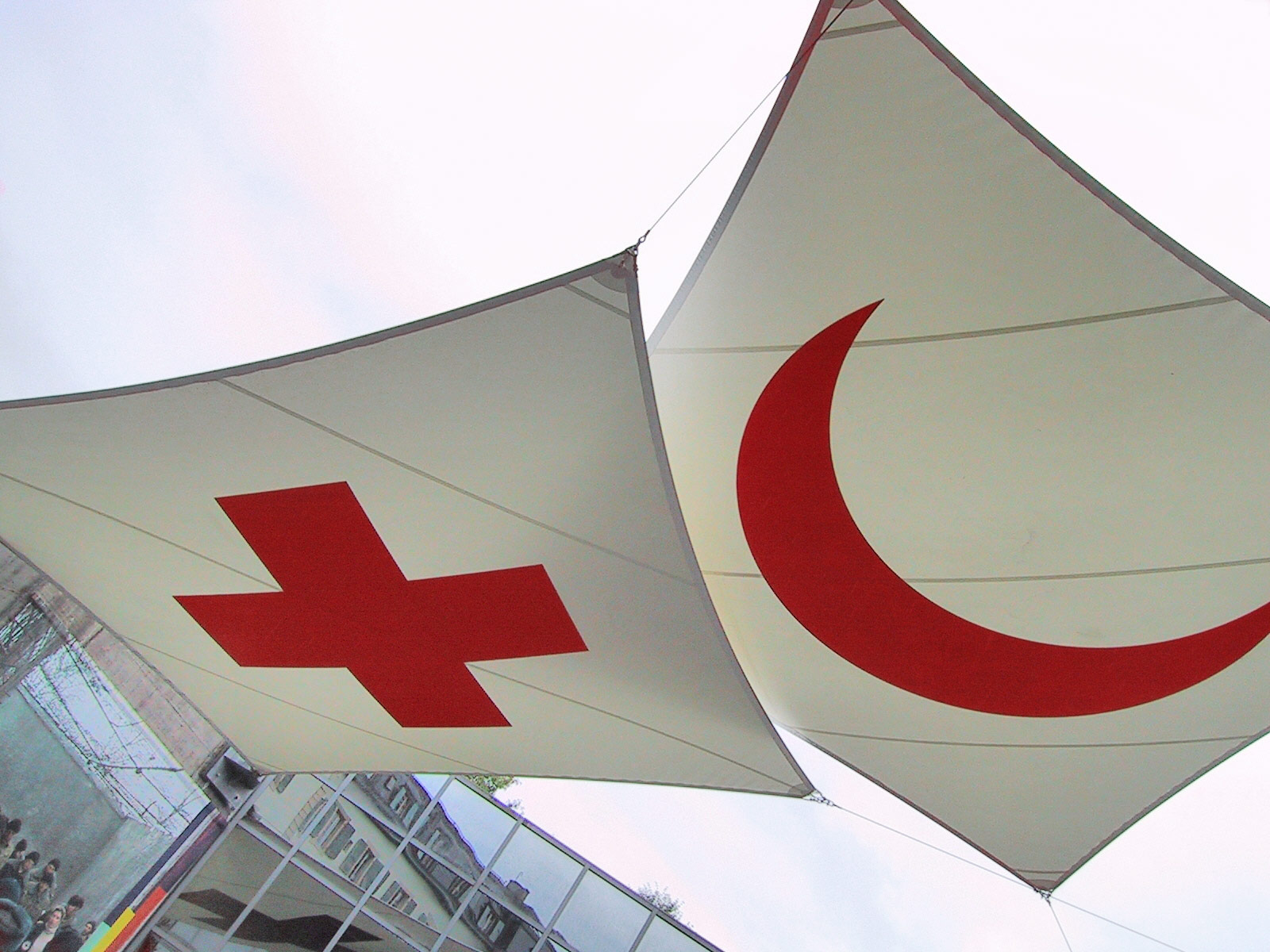
The Red Cross has had a significant cultural impact and influence on society. The movement's emblem, the red cross, is one of the most recognized symbols in the world, and is often used as a symbol of humanitarian aid and compassion. The Red Cross has also been the subject of numerous books, films, and documentaries, and has been recognized for its work through numerous awards and honors. The movement has a strong social media presence, with over 10 million followers on Twitter and Facebook. The Red Cross has also been at the forefront of innovation, using artificial intelligence and blockchain to support its humanitarian work.
⚡ Current State & Latest Developments
The Red Cross is currently responding to a number of major crises and disasters around the world, including the COVID-19 pandemic, and is working to support communities affected by conflict, climate change, and other humanitarian emergencies. The movement is also focused on promoting health and well-being, particularly in vulnerable communities, and is working to address the social determinants of health, such as poverty, inequality, and lack of access to education and healthcare. The Red Cross is also investing in new technologies, such as drones and virtual reality, to support its humanitarian work. The movement has a strong focus on community engagement and participation, and works to empower local communities to take ownership of their health and well-being.
🤔 Controversies & Debates
The Red Cross has faced a number of controversies and debates over the years, including criticisms of its response to certain disasters and crises, and concerns about its governance and accountability. The movement has also faced challenges in its efforts to promote health and well-being, particularly in communities affected by conflict and violence. However, the Red Cross has also been recognized for its work in promoting humanitarian law and principles, and has been a leading voice in advocating for the protection of civilians in conflict zones. The movement has a strong commitment to transparency and accountability, and has implemented a number of measures to ensure that its work is effective and efficient.
🔮 Future Outlook & Predictions
The future outlook for the Red Cross is one of continued growth and expansion, as the movement works to address the complex health challenges of the 21st century. The Red Cross is investing in new technologies and innovations, such as telemedicine and mHealth, to support its humanitarian work, and is working to strengthen its partnerships with other humanitarian organizations and governments. The movement is also focused on promoting health and well-being, particularly in vulnerable communities, and is working to address the social determinants of health, such as poverty, inequality, and lack of access to education and healthcare. The Red Cross has a strong commitment to community engagement and participation, and works to empower local communities to take ownership of their health and well-being.
💡 Practical Applications
The Red Cross has a number of practical applications, including disaster response and recovery, blood donations, and community health programs. The movement also provides training and education to millions of people in first aid, disaster response, and community health. The Red Cross works closely with other humanitarian organizations, such as American Red Cross and British Red Cross, to support its humanitarian work. The movement has a strong focus on community engagement and participation, and works to empower local communities to take ownership of their health and well-being. The Red Cross has a number of resources available for individuals and communities, including first aid kits and disaster response guides.
Key Facts
- Year
- 1863
- Origin
- Geneva, Switzerland
- Category
- public-health
- Type
- organization
Frequently Asked Questions
What is the Red Cross?
The Red Cross is a humanitarian movement that provides aid to those affected by conflict and disaster, regardless of their nationality or background. The movement was founded in 1863 by Henry Dunant and has since grown to become one of the largest and most recognized humanitarian organizations in the world. The Red Cross has a strong focus on promoting health and well-being, particularly in vulnerable communities, and works to address the social determinants of health, such as poverty, inequality, and lack of access to education and healthcare.
What services does the Red Cross provide?
The Red Cross provides a range of services, including disaster response, blood donations, and community health programs. The movement also advocates for policies and practices that promote health, safety, and well-being, and works to strengthen the resilience of communities to disasters and crises. The Red Cross has partnerships with organizations such as UNICEF, WHO, and UNHCR to support its humanitarian work.
How can I get involved with the Red Cross?
There are many ways to get involved with the Red Cross, including volunteering, donating, and taking a first aid or disaster response course. The Red Cross has a strong focus on community engagement and participation, and works to empower local communities to take ownership of their health and well-being. You can visit the Red Cross website to learn more about how to get involved and make a difference in your community.
What is the Red Cross's stance on humanitarian law?
The Red Cross is a leading voice in promoting humanitarian law and principles, and has been a strong advocate for the protection of civilians in conflict zones. The movement works to promote respect for human life and dignity, and to prevent and alleviate human suffering in all its forms. The Red Cross has a strong commitment to transparency and accountability, and has implemented a number of measures to ensure that its work is effective and efficient.
How does the Red Cross respond to disasters and crises?
The Red Cross has a robust disaster response system, which includes a network of volunteers, staff, and partners who work together to provide aid and support to those affected by disasters and crises. The movement has a strong focus on community engagement and participation, and works to empower local communities to take ownership of their health and well-being. The Red Cross also has a number of resources available for individuals and communities, including disaster response guides and first aid kits.
What is the Red Cross's budget and how is it funded?
The Red Cross has a budget of over $3 billion, with funding from a range of sources, including donations, grants, and government funding. The movement has a strong commitment to transparency and accountability, and has implemented a number of measures to ensure that its work is effective and efficient. The Red Cross also has a number of partnerships with other humanitarian organizations and governments to support its humanitarian work.
How does the Red Cross promote health and well-being?
The Red Cross promotes health and well-being through a range of programs and services, including community health programs, blood donations, and disaster response. The movement has a strong focus on promoting health and well-being, particularly in vulnerable communities, and works to address the social determinants of health, such as poverty, inequality, and lack of access to education and healthcare. The Red Cross also has a number of resources available for individuals and communities, including health guides and first aid kits.
What is the Red Cross's stance on climate change?
The Red Cross recognizes the impact of climate change on humanitarian crises and is working to reduce its own carbon footprint and promote sustainable practices. The movement has a strong commitment to transparency and accountability, and has implemented a number of measures to ensure that its work is effective and efficient. The Red Cross also has a number of partnerships with other humanitarian organizations and governments to support its humanitarian work.