
Contents
- 🎯 Introduction to Occupational Hygiene
- ⚙️ The Science of Hazard Recognition
- 📊 Key Facts and Statistics
- 👥 Key People and Organizations
- 🌎 Global Impact and Initiatives
- ⚡ Current Challenges and Developments
- 🤔 Controversies and Debates
- 🔮 Future Outlook and Predictions
- 💡 Practical Applications and Solutions
- 📚 Related Topics and Deeper Reading
- Frequently Asked Questions
- References
- Related Topics
Overview
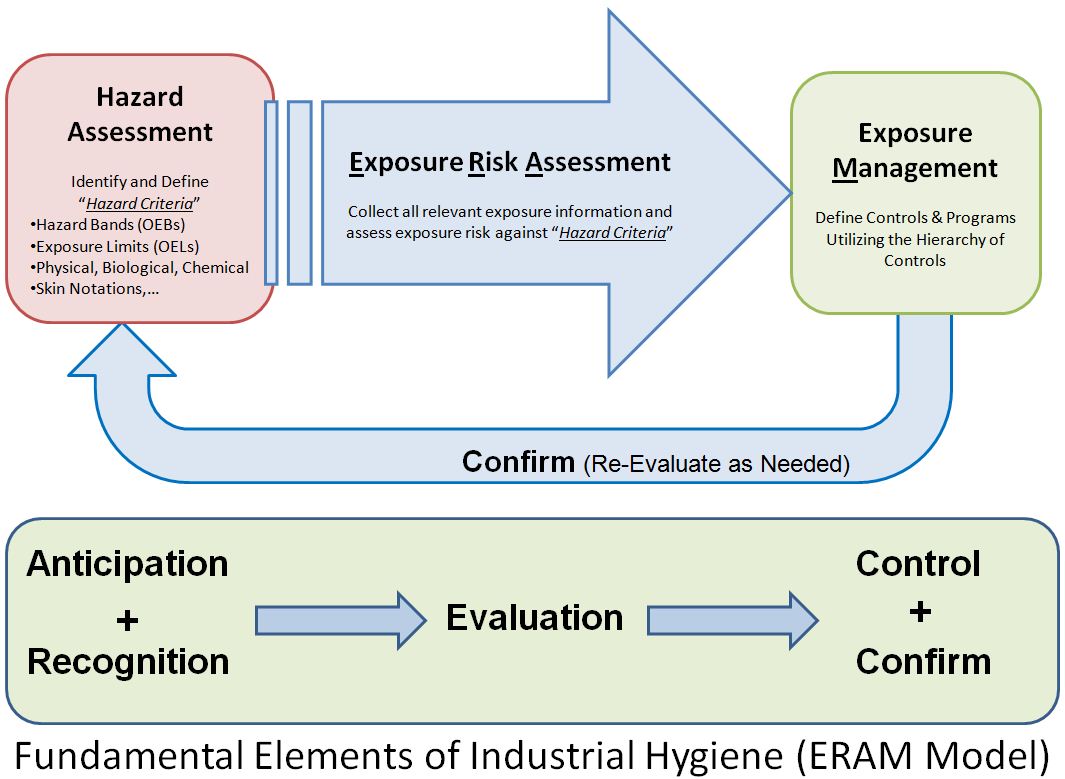
Occupational hygiene, also known as industrial hygiene, is the practice of anticipating, recognizing, evaluating, controlling, and confirming protection from risks associated with exposures to hazards in the workplace. These hazards can be biological, chemical, physical, ergonomic, or psychosocial, and can result in injury, illness, impairment, or affect the well-being of workers and members of the community. Occupational hygienists work closely with toxicologists, physicists, physicians, and microbiologists to understand and mitigate these hazards. With the goal of creating a safe and healthy work environment, occupational hygiene is a crucial aspect of public health. According to the World Health Organization (WHO), occupational hygiene is essential for preventing work-related illnesses and injuries, which affect millions of workers worldwide every year. The National Institute for Occupational Safety and Health (NIOSH) estimates that workplace hazards result in over 5,000 worker deaths and 4 million work-related injuries and illnesses annually in the United States alone. By applying the principles of occupational hygiene, employers and workers can reduce the risk of work-related hazards and create a healthier and safer work environment.
🎯 Introduction to Occupational Hygiene
Occupational hygiene has its roots in the early 20th century, when the first industrial hygienists began to recognize the importance of protecting workers from hazardous substances and conditions. Today, occupational hygiene is a multidisciplinary field that involves the collaboration of experts from various fields, including toxicology, physics, medicine, and microbiology. The American Conference of Governmental Industrial Hygienists (ACGIH) and the International Occupational Hygiene Association (IOHA) are two prominent organizations that promote the practice of occupational hygiene and provide resources for professionals in the field. For example, the ACGIH publishes the Threshold Limit Values (TLVs) for chemical substances, which serve as a guideline for exposure limits in the workplace.
⚙️ The Science of Hazard Recognition
The science of hazard recognition is a critical component of occupational hygiene. This involves identifying potential hazards in the workplace, evaluating the risks associated with these hazards, and developing strategies to control or mitigate them. Occupational hygienists use a variety of techniques, including air and water sampling, noise monitoring, and ergonomic assessments, to identify and evaluate hazards. The National Institute for Occupational Safety and Health (NIOSH) provides guidance on hazard recognition and control through its publications and online resources, such as the NIOSH Pocket Guide to Chemical Hazards. Additionally, the Occupational Safety and Health Administration (OSHA) sets standards for workplace safety and health, including permissible exposure limits (PELs) for hazardous substances.
📊 Key Facts and Statistics
The statistics on work-related illnesses and injuries are staggering. According to the World Health Organization (WHO), an estimated 2.3 million workers die every year from work-related injuries and illnesses, and an additional 340 million workers suffer from non-fatal work-related injuries and illnesses. The economic burden of these incidents is also significant, with estimates suggesting that work-related injuries and illnesses cost the global economy over $2.8 trillion annually. The Centers for Disease Control and Prevention (CDC) report that the most common work-related injuries and illnesses are musculoskeletal disorders, respiratory diseases, and mental health disorders. Furthermore, the Bureau of Labor Statistics (BLS) reports that the industries with the highest rates of work-related injuries and illnesses are construction, manufacturing, and healthcare.
👥 Key People and Organizations
Key people and organizations in the field of occupational hygiene include the American Industrial Hygiene Association (AIHA), the International Occupational Hygiene Association (IOHA), and the National Institute for Occupational Safety and Health (NIOSH). These organizations provide training, resources, and guidance for occupational hygienists and employers, and work to promote the practice of occupational hygiene globally. For instance, the AIHA offers certification programs for occupational hygienists, such as the Certified Industrial Hygienist (CIH) credential. Additionally, the IOHA hosts international conferences and workshops on occupational hygiene, bringing together experts from around the world to share knowledge and best practices.
🌎 Global Impact and Initiatives
The global impact of occupational hygiene is significant, with work-related illnesses and injuries affecting workers and communities worldwide. The WHO and the International Labour Organization (ILO) have launched initiatives to promote occupational hygiene and improve working conditions globally. For example, the WHO's Global Plan of Action on Workers' Health (2008-2017) aimed to improve the health and well-being of workers worldwide. The ILO's Occupational Safety and Health Convention (1981) sets international standards for workplace safety and health, and provides a framework for countries to develop their own occupational safety and health laws and regulations.
⚡ Current Challenges and Developments
Current challenges in the field of occupational hygiene include the need for more effective hazard recognition and control strategies, as well as the need for better training and resources for occupational hygienists. The COVID-19 pandemic has also highlighted the importance of occupational hygiene in preventing the spread of infectious diseases in the workplace. The CDC and the WHO have issued guidance on COVID-19 prevention and control in the workplace, including recommendations for personal protective equipment (PPE), ventilation, and social distancing. Furthermore, the National Institute of Environmental Health Sciences (NIEHS) has funded research on the occupational health impacts of COVID-19, including studies on the effectiveness of PPE and the development of new technologies for hazard control.
🤔 Controversies and Debates
Controversies and debates in the field of occupational hygiene include the use of permissible exposure limits (PELs) versus threshold limit values (TLVs), and the role of occupational hygienists in promoting worker health and safety. Some argue that PELs are too lenient and do not adequately protect workers from hazardous substances, while others argue that TLVs are too stringent and can be impractical to implement. The ACGIH and the AIHA have taken positions on these issues, with the ACGIH advocating for the use of TLVs and the AIHA supporting the use of PELs. Additionally, there is ongoing debate about the role of occupational hygienists in promoting worker health and safety, with some arguing that they should play a more active role in advocating for workers' rights and others arguing that their primary role is to provide technical expertise to employers.
🔮 Future Outlook and Predictions
The future outlook for occupational hygiene is promising, with advances in technology and science providing new opportunities for hazard recognition and control. The use of artificial intelligence (AI) and machine learning (ML) is being explored for its potential to improve occupational hygiene practices, such as predicting worker exposure to hazards and identifying high-risk areas in the workplace. The development of new technologies, such as wearable sensors and drones, is also expected to improve the ability to monitor and control workplace hazards. For example, wearable sensors can monitor worker exposure to hazardous substances in real-time, while drones can be used to inspect hard-to-reach areas of the workplace.
💡 Practical Applications and Solutions
Practical applications of occupational hygiene include the development of hazard control strategies, such as engineering controls, administrative controls, and personal protective equipment (PPE). Occupational hygienists also work with employers to develop and implement safety and health programs, and provide training and resources for workers on hazard recognition and control. The OSHA provides guidance on hazard control strategies, including the hierarchy of controls, which prioritizes engineering controls over administrative controls and PPE. Additionally, the NIOSH provides resources on safety and health programs, including the NIOSH Safety and Health Program Management Guidelines.
Key Facts
- Year
- 1910
- Origin
- United States
- Category
- public-health
- Type
- concept
Frequently Asked Questions
What is occupational hygiene?
Occupational hygiene is the practice of anticipating, recognizing, evaluating, controlling, and confirming protection from risks associated with exposures to hazards in the workplace. It involves the collaboration of experts from various fields, including toxicology, physics, medicine, and microbiology. The goal of occupational hygiene is to create a safe and healthy work environment by identifying and controlling hazards, and promoting worker health and safety.
What are the most common work-related injuries and illnesses?
The most common work-related injuries and illnesses are musculoskeletal disorders, respiratory diseases, and mental health disorders. According to the Bureau of Labor Statistics (BLS), the industries with the highest rates of work-related injuries and illnesses are construction, manufacturing, and healthcare. The CDC reports that the most common causes of work-related injuries and illnesses are overexertion, falls, and being struck by objects or equipment.
How can occupational hygiene be applied in the workplace?
Occupational hygiene can be applied in the workplace by identifying and controlling hazards, providing training and resources for workers, and developing and implementing safety and health programs. Employers can also work with occupational hygienists to develop hazard control strategies, such as engineering controls, administrative controls, and personal protective equipment (PPE). The OSHA provides guidance on hazard control strategies, including the hierarchy of controls, which prioritizes engineering controls over administrative controls and PPE.
What is the role of occupational hygienists in promoting worker health and safety?
Occupational hygienists play a critical role in promoting worker health and safety by identifying and controlling hazards, providing training and resources for workers, and developing and implementing safety and health programs. They also work with employers to develop hazard control strategies and provide technical expertise on occupational hygiene practices. The AIHA and IOHA provide training and certification programs for occupational hygienists, and the WHO and ILO provide resources and guidance on occupational hygiene and worker health and safety.
What are the future trends and developments in occupational hygiene?
The future trends and developments in occupational hygiene include the use of artificial intelligence (AI) and machine learning (ML) to improve hazard recognition and control, the development of new technologies such as wearable sensors and drones, and the increasing importance of occupational hygiene in preventing the spread of infectious diseases in the workplace. The NIOSH and the CDC are conducting research on the occupational health impacts of COVID-19, and the WHO and ILO are providing guidance on COVID-19 prevention and control in the workplace.
How can workers protect themselves from hazards in the workplace?
Workers can protect themselves from hazards in the workplace by following safety procedures, wearing personal protective equipment (PPE), and reporting hazards to their employers. They can also participate in training and education programs on hazard recognition and control, and work with occupational hygienists to develop and implement safety and health programs. The OSHA provides guidance on worker rights and responsibilities, including the right to a safe and healthy work environment.
What are the benefits of implementing occupational hygiene practices in the workplace?
The benefits of implementing occupational hygiene practices in the workplace include reducing the risk of work-related injuries and illnesses, improving worker health and well-being, and increasing productivity and efficiency. Occupational hygiene practices can also help employers to comply with safety and health regulations and standards, and reduce the economic burden of work-related injuries and illnesses. The WHO and ILO provide resources and guidance on the benefits of occupational hygiene practices, and the AIHA and IOHA offer training and certification programs for occupational hygienists.