
Contents
- 🌎 Introduction to Humanitarian Aid
- 🏥 Types of Humanitarian Assistance
- 🌪️ Responding to Natural Disasters
- 🏃♂️ Refugee Crisis and Migration
- 🍞️ Food Security and Famine Relief
- 💸 Funding and Donations
- 🤝 International Cooperation and Agreements
- 🚫 Challenges and Controversies
- 📊 Measuring Effectiveness and Impact
- 🔮 Future of Humanitarian Aid
- 🌈 Case Studies and Success Stories
- 👥 Key Players and Organizations
- Frequently Asked Questions
- Related Topics
Overview
Humanitarian aid is a multifaceted and often contentious field, with billions of dollars in funding and countless lives on the line. The United Nations Office for the Coordination of Humanitarian Affairs (UNOCHA) reports that in 2020, humanitarian aid reached a record high of $31 billion, with the majority going to just five countries: Syria, Yemen, South Sudan, Somalia, and the Democratic Republic of Congo. However, critics argue that aid efforts are often hampered by bureaucratic inefficiencies, corruption, and geopolitical agendas. For example, a 2020 report by the Overseas Development Institute found that up to 30% of aid funding is lost to overhead costs, while a 2019 investigation by The New York Times revealed that millions of dollars in aid to Syria were being funneled to extremist groups. As the global humanitarian landscape continues to evolve, with new challenges emerging from climate change, pandemics, and migration crises, it is clear that the future of humanitarian aid will be shaped by a complex interplay of factors, including technological innovation, shifting donor priorities, and growing demands for accountability and transparency. The World Health Organization (WHO) and non-governmental organizations (NGOs) like Doctors Without Borders (MSF) are working to address these challenges, but the road ahead will be fraught with tension and uncertainty. With a vibe score of 8, humanitarian aid is a topic that resonates deeply with many people around the world, but its complexity and controversy also make it a subject of intense debate and scrutiny.
🌎 Introduction to Humanitarian Aid
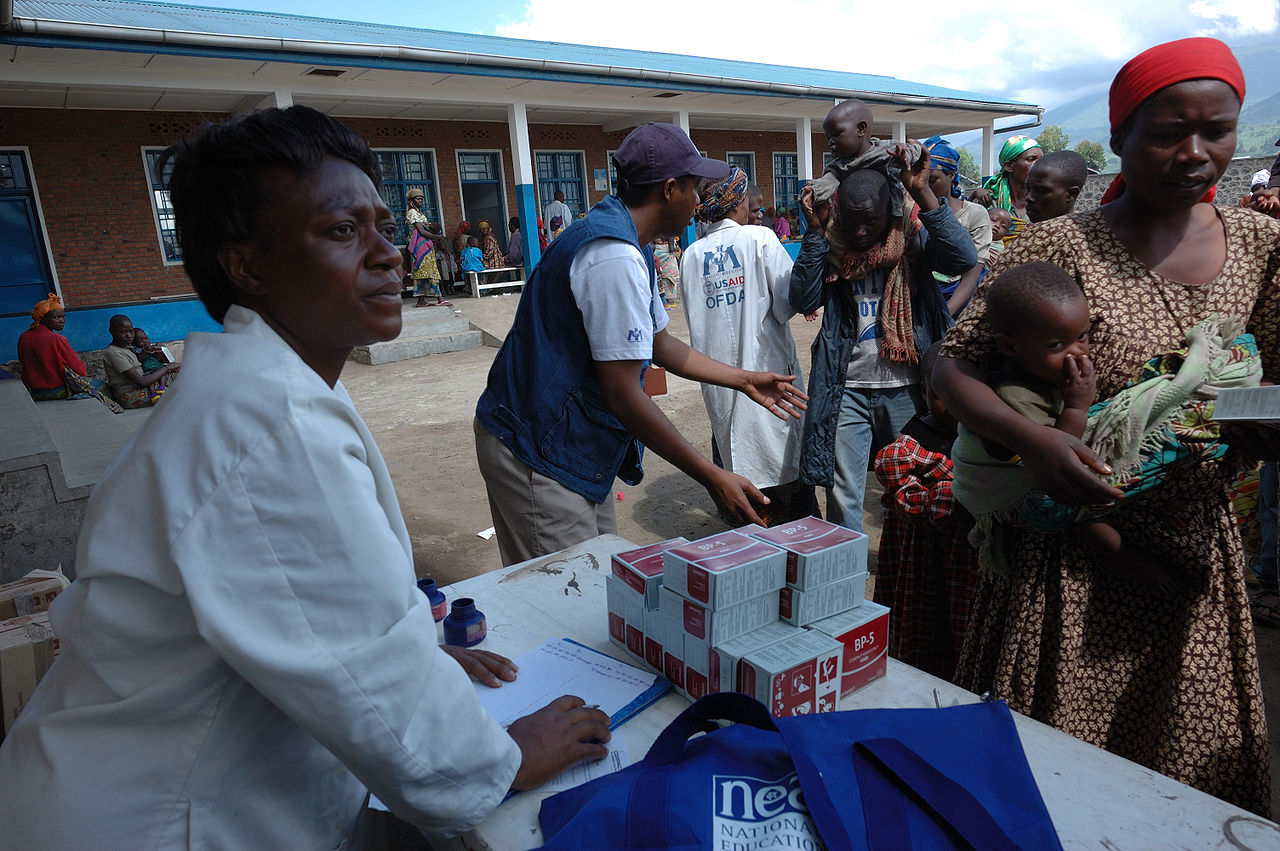
Humanitarian aid is a vital component of global response to crises, providing material and logistic assistance to people in need. The primary objective of humanitarian aid is to save lives, alleviate suffering, and maintain human dignity, as outlined by the United Nations. Among the people in need are the homeless, refugees, and victims of natural disasters, wars, and famines. Humanitarian aid is usually provided in the short-term, with the goal of supporting affected communities until they can recover and rebuild. Organizations such as the Red Cross and Doctors Without Borders play a crucial role in providing humanitarian assistance. The Sendai Framework for Disaster Risk Reduction also highlights the importance of humanitarian aid in disaster response.
🏥 Types of Humanitarian Assistance
There are several types of humanitarian assistance, including food aid, shelter, healthcare, and sanitation. Food aid is a critical component of humanitarian response, particularly in areas affected by famine or food insecurity. The World Food Programme is the largest humanitarian organization fighting hunger worldwide. Shelter and healthcare are also essential, as they provide a safe and healthy environment for affected communities. The UNHCR provides shelter and protection to refugees and internally displaced persons. Sanitation and hygiene are also critical, as they help prevent the spread of diseases. The World Health Organization plays a key role in providing sanitation and hygiene assistance.
🌪️ Responding to Natural Disasters
Natural disasters such as earthquakes, hurricanes, and tsunamis require a rapid and effective humanitarian response. The International Federation of Red Cross and Red Crescent Societies provides emergency assistance to affected communities. The UN Office for the Coordination of Humanitarian Affairs coordinates the response efforts of humanitarian organizations. The European Union also provides humanitarian aid to affected countries. In addition to providing immediate relief, humanitarian aid also supports long-term recovery and reconstruction efforts. The World Bank provides financing for reconstruction projects.
🏃♂️ Refugee Crisis and Migration
The refugee crisis and migration are complex issues that require a comprehensive humanitarian response. The UNHCR provides protection and assistance to refugees and internally displaced persons. The International Organization for Migration provides support to migrants and displaced persons. The European Union also provides humanitarian aid to refugee-hosting countries. Humanitarian aid includes providing food, shelter, healthcare, and sanitation to refugees and migrants. The Red Cross and Doctors Without Borders also provide humanitarian assistance to refugees and migrants.
🍞️ Food Security and Famine Relief
Food security and famine relief are critical components of humanitarian aid. The World Food Programme provides food assistance to affected communities. The Food and Agriculture Organization of the United Nations provides support to farmers and agricultural communities. The United Nations Children's Fund provides nutrition assistance to children and mothers. Humanitarian aid includes providing food, cash, and vouchers to affected communities. The Oxfam organization also provides humanitarian assistance to communities affected by famine and food insecurity.
💸 Funding and Donations
Funding and donations are essential for humanitarian aid efforts. The UN Office for the Coordination of Humanitarian Affairs coordinates funding efforts for humanitarian response. The European Union provides humanitarian aid funding to affected countries. The Bill and Melinda Gates Foundation also provides funding for humanitarian aid efforts. Donations from individuals and organizations are also critical for supporting humanitarian aid efforts. The Red Cross and Doctors Without Borders rely on donations to provide humanitarian assistance.
🤝 International Cooperation and Agreements
International cooperation and agreements are essential for effective humanitarian aid. The United Nations provides a framework for international cooperation on humanitarian aid. The Geneva Conventions provide a legal framework for humanitarian aid in conflict zones. The Sendai Framework for Disaster Risk Reduction provides a framework for disaster risk reduction and management. The Grand Bargain initiative aims to improve the efficiency and effectiveness of humanitarian aid. The UN Office for the Coordination of Humanitarian Affairs coordinates international cooperation on humanitarian aid.
🚫 Challenges and Controversies
Humanitarian aid efforts face several challenges and controversies, including funding constraints, access constraints, and corruption. The UN Office for the Coordination of Humanitarian Affairs coordinates efforts to address these challenges. The European Union provides support to address these challenges. The Red Cross and Doctors Without Borders also face challenges in providing humanitarian assistance. Corruption and mismanagement of funds are also significant concerns in humanitarian aid efforts. The Transparency International organization works to prevent corruption in humanitarian aid.
📊 Measuring Effectiveness and Impact
Measuring the effectiveness and impact of humanitarian aid is critical for improving response efforts. The UN Office for the Coordination of Humanitarian Affairs coordinates efforts to measure effectiveness and impact. The World Bank provides support for evaluating the impact of humanitarian aid. The World Health Organization also evaluates the impact of humanitarian aid on health outcomes. The Grand Bargain initiative aims to improve the efficiency and effectiveness of humanitarian aid. The Sendai Framework for Disaster Risk Reduction provides a framework for measuring the impact of disaster risk reduction efforts.
🔮 Future of Humanitarian Aid
The future of humanitarian aid will be shaped by emerging trends and challenges, including climate change, urbanization, and technological innovation. The UN Office for the Coordination of Humanitarian Affairs coordinates efforts to address these challenges. The European Union provides support for addressing these challenges. The Red Cross and Doctors Without Borders are also adapting to these challenges. The use of technology, such as drones and mobile payments, is also changing the face of humanitarian aid. The World Bank provides financing for innovative humanitarian aid projects.
🌈 Case Studies and Success Stories
Case studies and success stories of humanitarian aid efforts provide valuable lessons for improving response efforts. The UN Office for the Coordination of Humanitarian Affairs coordinates efforts to document and share these stories. The European Union provides support for documenting and sharing these stories. The Red Cross and Doctors Without Borders also document and share their experiences. The World Health Organization also documents and shares its experiences in providing humanitarian aid. The Oxfam organization also provides case studies and success stories of humanitarian aid efforts.
👥 Key Players and Organizations
Key players and organizations in humanitarian aid efforts include the United Nations, the Red Cross, and Doctors Without Borders. The UN Office for the Coordination of Humanitarian Affairs coordinates international cooperation on humanitarian aid. The European Union provides humanitarian aid funding to affected countries. The Bill and Melinda Gates Foundation also provides funding for humanitarian aid efforts. The World Bank provides financing for humanitarian aid projects.
Key Facts
- Year
- 2020
- Origin
- United Nations General Assembly, 1946
- Category
- Global Issues
- Type
- Concept
Frequently Asked Questions
What is humanitarian aid?
Humanitarian aid is material and logistic assistance, usually in the short-term, to people in need. The primary objective of humanitarian aid is to save lives, alleviate suffering, and maintain human dignity. Humanitarian aid includes providing food, shelter, healthcare, and sanitation to affected communities. The United Nations and the Red Cross are key players in providing humanitarian aid.
Who provides humanitarian aid?
Humanitarian aid is provided by a range of organizations, including the United Nations, the Red Cross, and Doctors Without Borders. The European Union and the Bill and Melinda Gates Foundation also provide funding for humanitarian aid efforts. The World Bank provides financing for humanitarian aid projects.
What are the challenges facing humanitarian aid efforts?
Humanitarian aid efforts face several challenges, including funding constraints, access constraints, and corruption. The UN Office for the Coordination of Humanitarian Affairs coordinates efforts to address these challenges. The European Union provides support to address these challenges. The Red Cross and Doctors Without Borders also face challenges in providing humanitarian assistance.
How is the effectiveness of humanitarian aid measured?
The effectiveness of humanitarian aid is measured through a range of indicators, including the number of people reached, the quality of assistance provided, and the impact on affected communities. The UN Office for the Coordination of Humanitarian Affairs coordinates efforts to measure effectiveness and impact. The World Bank provides support for evaluating the impact of humanitarian aid.
What is the future of humanitarian aid?
The future of humanitarian aid will be shaped by emerging trends and challenges, including climate change, urbanization, and technological innovation. The UN Office for the Coordination of Humanitarian Affairs coordinates efforts to address these challenges. The European Union provides support for addressing these challenges. The Red Cross and Doctors Without Borders are also adapting to these challenges.
How can I get involved in humanitarian aid efforts?
There are many ways to get involved in humanitarian aid efforts, including volunteering with organizations such as the Red Cross and Doctors Without Borders. You can also donate to humanitarian aid efforts through organizations such as the UN Office for the Coordination of Humanitarian Affairs and the European Union. The World Bank also provides financing for humanitarian aid projects.
What is the role of the United Nations in humanitarian aid?
The United Nations plays a critical role in humanitarian aid efforts, providing a framework for international cooperation and coordination. The UN Office for the Coordination of Humanitarian Affairs coordinates international cooperation on humanitarian aid. The UNHCR provides protection and assistance to refugees and internally displaced persons.