
Contents
- 🔍 Introduction to Epistemology
- 💡 The Nature of Knowledge
- 📚 Types of Knowledge
- 👀 Sources of Justification
- 💭 Belief, Truth, and Justification
- 🔗 The Role of Perception
- 📝 The Impact of Introspection
- 📊 The Limits of Memory
- 🤔 The Power of Reason
- 🗣️ The Influence of Testimony
- 📚 Epistemological Theories
- 🔍 Conclusion and Future Directions
- Frequently Asked Questions
- Related Topics
Overview
Epistemology is the branch of philosophy that examines the nature, origin, and limits of knowledge. Also called the theory of knowledge, it explores different types of knowledge, such as propositional knowledge about facts, practical knowledge in the form of skills, and knowledge by acquaintance as a familiarity through experience. Epistemologists study the concepts of belief, truth, and justification to understand the nature of knowledge. To discover how knowledge arises, they investigate sources of justification, such as perception, introspection, memory, reason, and testimony. The study of epistemology has led to significant contributions from philosophers such as Plato and Immanuel Kant.
💡 The Nature of Knowledge
The nature of knowledge is a complex and debated topic in epistemology. Epistemologists have proposed various theories to explain how knowledge is acquired and what constitutes knowledge. For instance, the correspondence theory of truth suggests that knowledge corresponds to an objective reality, while the coherence theory of truth proposes that knowledge is a matter of coherence among beliefs. The study of epistemic luck has also shed light on the role of chance in the acquisition of knowledge. Philosophers such as John Locke and David Hume have made significant contributions to the understanding of the nature of knowledge.
📚 Types of Knowledge
There are several types of knowledge that epistemologists study, including propositional knowledge, practical knowledge, and knowledge by acquaintance. Propositional knowledge refers to knowledge of facts, such as the knowledge that the sky is blue. Practical knowledge, on the other hand, refers to knowledge of how to do something, such as the knowledge of how to ride a bike. Knowledge by acquaintance refers to familiarity with something through experience, such as the knowledge of a person's character. The study of these types of knowledge has led to a deeper understanding of the nature of knowledge and how it is acquired.
👀 Sources of Justification
Epistemologists investigate various sources of justification to understand how knowledge arises. These sources include perception, introspection, memory, reason, and testimony. Perception refers to the knowledge gained through the senses, such as the knowledge that the sky is blue. Introspection refers to the knowledge gained through self-reflection, such as the knowledge of one's own thoughts and feelings. Memory refers to the knowledge gained through recollection, such as the knowledge of past events. The study of these sources of justification has led to significant contributions from philosophers such as René Descartes and George Berkeley.
💭 Belief, Truth, and Justification
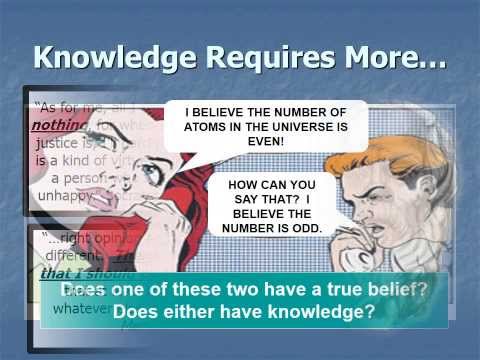
The concepts of belief, truth, and justification are central to the study of epistemology. Epistemologists study these concepts to understand the nature of knowledge and how it is acquired. Belief refers to a mental state of accepting something as true, while truth refers to the state of being true. Justification refers to the reasons or evidence that support a belief. The study of these concepts has led to significant contributions from philosophers such as Friedrich Nietzsche and Martin Heidegger. The Gettier problem has also shed light on the relationship between belief, truth, and justification.
🔗 The Role of Perception
The role of perception in the acquisition of knowledge is a topic of significant debate in epistemology. Some epistemologists argue that perception is a reliable source of knowledge, while others argue that it is subject to errors and illusions. The study of perceptual illusion has shed light on the limitations of perception as a source of knowledge. Philosophers such as John Locke and George Berkeley have made significant contributions to the understanding of the role of perception in the acquisition of knowledge.
📝 The Impact of Introspection
The impact of introspection on the acquisition of knowledge is also a topic of significant debate in epistemology. Some epistemologists argue that introspection is a reliable source of knowledge, while others argue that it is subject to biases and limitations. The study of introspective error has shed light on the limitations of introspection as a source of knowledge. Philosophers such as René Descartes and David Hume have made significant contributions to the understanding of the impact of introspection on the acquisition of knowledge.
📊 The Limits of Memory
The limits of memory as a source of knowledge are also a topic of significant debate in epistemology. Some epistemologists argue that memory is a reliable source of knowledge, while others argue that it is subject to errors and distortions. The study of memory distortion has shed light on the limitations of memory as a source of knowledge. Philosophers such as Friedrich Nietzsche and Martin Heidegger have made significant contributions to the understanding of the limits of memory as a source of knowledge.
🤔 The Power of Reason
The power of reason in the acquisition of knowledge is a topic of significant debate in epistemology. Some epistemologists argue that reason is a reliable source of knowledge, while others argue that it is subject to limitations and biases. The study of rationalism has shed light on the role of reason in the acquisition of knowledge. Philosophers such as Plato and Immanuel Kant have made significant contributions to the understanding of the power of reason in the acquisition of knowledge.
🗣️ The Influence of Testimony
The influence of testimony on the acquisition of knowledge is also a topic of significant debate in epistemology. Some epistemologists argue that testimony is a reliable source of knowledge, while others argue that it is subject to errors and limitations. The study of testimony error has shed light on the limitations of testimony as a source of knowledge. Philosophers such as John Locke and David Hume have made significant contributions to the understanding of the influence of testimony on the acquisition of knowledge.
📚 Epistemological Theories
Epistemological theories, such as foundationalism and coherentism, have been proposed to explain the nature of knowledge and how it is acquired. Foundationalism argues that knowledge is based on a foundation of certain and indubitable beliefs, while coherentism argues that knowledge is a matter of coherence among beliefs. The study of these theories has led to significant contributions from philosophers such as René Descartes and Immanuel Kant.
🔍 Conclusion and Future Directions
In conclusion, epistemology is a complex and multifaceted field that studies the nature, origin, and limits of knowledge. The study of epistemology has led to significant contributions from philosophers such as Plato and Immanuel Kant. The future of epistemology is likely to involve continued debates and discussions about the nature of knowledge and how it is acquired. As epistemologists continue to investigate the sources of justification and the concepts of belief, truth, and justification, they will shed further light on the nature of knowledge and its acquisition.
Key Facts
- Category
- topic
- Type
- topic
Frequently Asked Questions
What is epistemology?
Epistemology is the branch of philosophy that examines the nature, origin, and limits of knowledge. It explores different types of knowledge, such as propositional knowledge, practical knowledge, and knowledge by acquaintance. Epistemologists study the concepts of belief, truth, and justification to understand the nature of knowledge.
What are the sources of justification in epistemology?
The sources of justification in epistemology include perception, introspection, memory, reason, and testimony. These sources are investigated by epistemologists to understand how knowledge arises and what constitutes knowledge.
What is the difference between propositional knowledge and practical knowledge?
Propositional knowledge refers to knowledge of facts, such as the knowledge that the sky is blue. Practical knowledge, on the other hand, refers to knowledge of how to do something, such as the knowledge of how to ride a bike.
What is the role of perception in the acquisition of knowledge?
The role of perception in the acquisition of knowledge is a topic of significant debate in epistemology. Some epistemologists argue that perception is a reliable source of knowledge, while others argue that it is subject to errors and illusions.
What is the impact of introspection on the acquisition of knowledge?
The impact of introspection on the acquisition of knowledge is also a topic of significant debate in epistemology. Some epistemologists argue that introspection is a reliable source of knowledge, while others argue that it is subject to biases and limitations.
What is the relationship between belief, truth, and justification?
The relationship between belief, truth, and justification is a complex one. Belief refers to a mental state of accepting something as true, while truth refers to the state of being true. Justification refers to the reasons or evidence that support a belief.
What is the Gettier problem?
The Gettier problem is a problem in epistemology that challenges the traditional view of knowledge as justified true belief. It argues that there are cases in which a person has a justified true belief, but it is not knowledge.