
Contents
- 📚 Introduction to George Berkeley
- 👑 The Life and Times of a Bishop
- 🔍 The Philosophy of Immaterialism
- 📝 Berkeley's Works and Influences
- 👀 Perception and Reality
- 🤔 The Critique of Materialism
- 📊 The Role of God in Berkeley's Philosophy
- 🌎 Influence on Modern Philosophy
- 📚 Contemporary Relevance and Debates
- 👥 Berkeley's Legacy and Impact
- 🔮 The Enduring Questions of Berkeley's Philosophy
- Frequently Asked Questions
- Related Topics
Overview
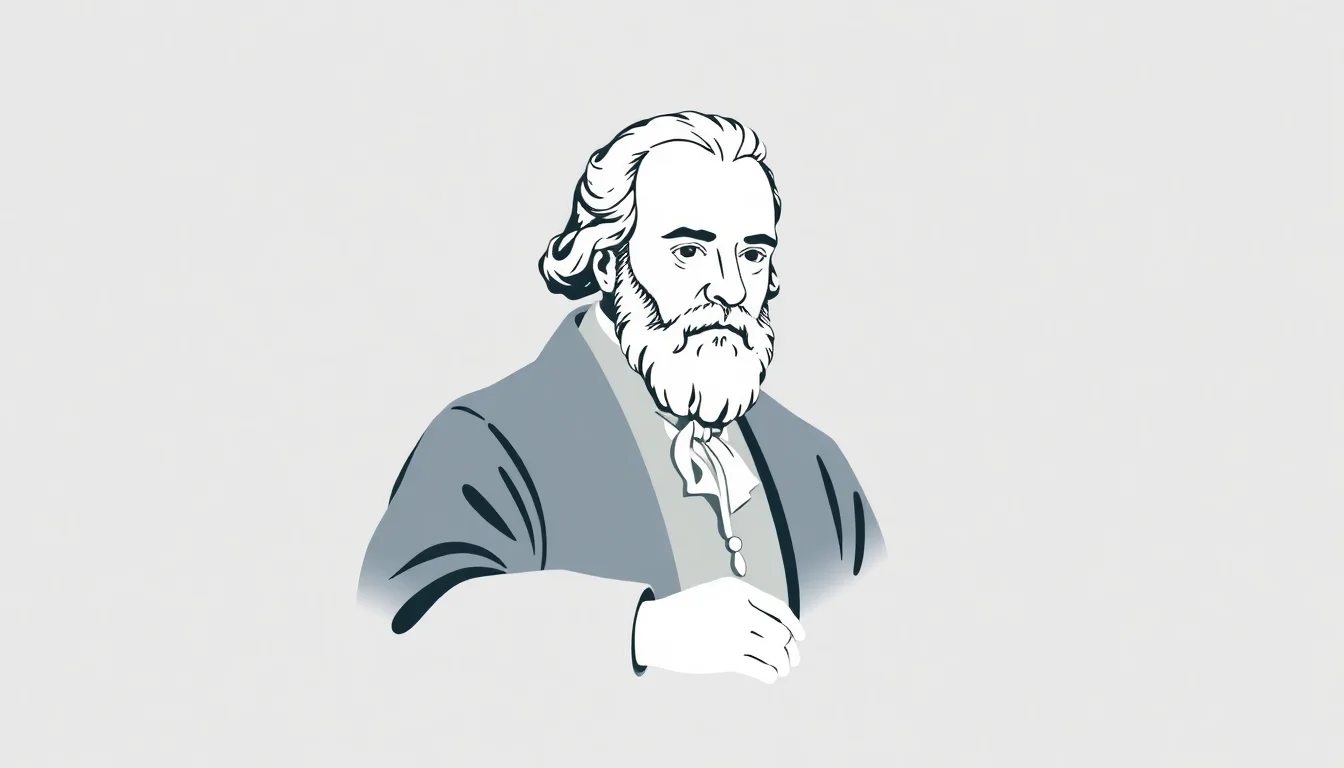
George Berkeley, an Anglo-Irish philosopher and bishop, is best known for his theory of immaterialism, which argues that matter does not exist independently of perception. Born on March 12, 1685, in Kilkenny, Ireland, Berkeley studied at Trinity College in Dublin and later became the Bishop of Cloyne. His most famous work, 'A Treatise Concerning the Principles of Human Knowledge,' published in 1710, posits that reality is purely a product of perception and that objects only exist insofar as they are perceived. This idea, though influential, has been subject to intense debate and criticism, with some arguing it leads to solipsism, the idea that only one's own mind is sure to exist. Berkeley's philosophy has had a lasting impact on the development of idealism and the concept of perception, with a vibe score of 8 out of 10, reflecting his significant influence on Western philosophy. His ideas continue to be studied and debated by scholars today, with many considering him one of the most important philosophers of the 18th century, influencing thinkers such as David Hume and Immanuel Kant.
📚 Introduction to George Berkeley
George Berkeley, an Anglo-Irish philosopher and bishop, is best known for his theory of Immaterialism, which argues that reality is purely mental and that physical objects do not exist independently of perception. Born on March 12, 1685, in Kilkenny, Ireland, Berkeley was educated at Trinity College Dublin and later became the Bishop of Cloyne. His philosophical ideas were heavily influenced by the works of René Descartes and John Locke. Berkeley's philosophy had a significant impact on the development of Subjectivism and Idealism. His ideas continue to be studied and debated by philosophers today, including George Edward Moore and Bertrand Russell.
👑 The Life and Times of a Bishop
Berkeley's life was marked by his commitment to his philosophical and theological pursuits. He was ordained as a priest in the Church of Ireland in 1709 and later became the Bishop of Cloyne in 1734. During his time as bishop, Berkeley was known for his advocacy of Education and his efforts to improve the lives of the poor. His philosophical ideas were not limited to his written works, but were also reflected in his actions and decisions as a bishop. Berkeley's relationship with other prominent thinkers of his time, such as Isaac Newton, was complex and influenced his philosophical development. The Scientific Revolution of the 17th century also played a significant role in shaping Berkeley's thoughts on the nature of reality.
🔍 The Philosophy of Immaterialism
Berkeley's philosophy of immaterialism is based on the idea that physical objects do not exist independently of perception. According to Berkeley, objects are merely collections of perceptions, and their existence is dependent on being perceived by a mind. This idea is often summarized by the phrase Esse est percipi, or 'to be is to be perceived.' Berkeley's immaterialism was a response to the Materialism of his time, which held that physical objects have an independent existence regardless of perception. Berkeley's ideas were influenced by the works of Aristotle and Plato, and he engaged in a critique of David Hume's empiricist views. The implications of Berkeley's immaterialism are far-reaching, and have been debated by philosophers such as Immanuel Kant and Friedrich Nietzsche.
📝 Berkeley's Works and Influences
Berkeley's written works include A Treatise Concerning the Principles of Human Knowledge and Three Dialogues between Hylas and Philonous. In these works, Berkeley outlines his philosophical ideas and responds to criticisms from other thinkers. Berkeley's influences include the works of Galileo Galilei and Francis Bacon, who contributed to the development of the Scientific Method. Berkeley's ideas have also been influenced by the Philosophy of Language, particularly in his treatment of Meaning and Reference. The History of Philosophy has been shaped by Berkeley's contributions, and his ideas continue to be relevant in contemporary debates.
👀 Perception and Reality
Berkeley's philosophy of perception and reality is centered on the idea that our understanding of the world is based on our perceptions. According to Berkeley, our perceptions are not direct reflections of an independent reality, but rather are shaped by our minds and experiences. This idea is closely related to the concept of Phenomenology, which studies the structure of conscious experience. Berkeley's ideas on perception and reality have been influential in the development of Cognitive Science and Artificial Intelligence. The Philosophy of Mind has also been shaped by Berkeley's contributions, particularly in his treatment of Consciousness and Free Will.
🤔 The Critique of Materialism
Berkeley's critique of materialism is based on the idea that physical objects do not have an independent existence. According to Berkeley, materialism is flawed because it fails to account for the role of perception in shaping our understanding of reality. Berkeley's critique of materialism has been influential in the development of Idealism and Subjectivism. The History of Philosophy has been shaped by Berkeley's contributions, and his ideas continue to be relevant in contemporary debates. Berkeley's relationship with other prominent thinkers of his time, such as Baruch Spinoza, was complex and influenced his philosophical development. The Philosophy of Science has also been shaped by Berkeley's contributions, particularly in his treatment of Causality and Determinism.
📊 The Role of God in Berkeley's Philosophy
Berkeley's philosophy is often seen as a form of Theism, as he believed that God plays a central role in the creation and maintenance of reality. According to Berkeley, God is the ultimate perceiver, and all physical objects exist as perceptions in the mind of God. This idea is closely related to the concept of Pantheism, which holds that God is identical with the universe. Berkeley's ideas on the role of God in his philosophy have been influential in the development of Philosophy of Religion. The Relationship between Faith and Reason has been shaped by Berkeley's contributions, and his ideas continue to be relevant in contemporary debates. Berkeley's treatment of Morality and Ethics has also been influenced by his theological views.
🌎 Influence on Modern Philosophy
Berkeley's influence on modern philosophy is significant, and his ideas continue to be studied and debated by philosophers today. Berkeley's immaterialism has been influential in the development of Phenomenology and Existentialism. The Philosophy of Language has also been shaped by Berkeley's contributions, particularly in his treatment of Meaning and Reference. Berkeley's ideas have also been influential in the development of Cognitive Science and Artificial Intelligence. The History of Philosophy has been shaped by Berkeley's contributions, and his ideas continue to be relevant in contemporary debates. Berkeley's relationship with other prominent thinkers of his time, such as Martin Heidegger, was complex and influenced his philosophical development.
📚 Contemporary Relevance and Debates
Berkeley's philosophy remains relevant in contemporary debates, particularly in the areas of Philosophy of Mind and Cognitive Science. Berkeley's ideas on the nature of reality and perception continue to be influential in the development of Artificial Intelligence and Machine Learning. The Ethics of Artificial Intelligence has also been shaped by Berkeley's contributions, particularly in his treatment of Consciousness and Free Will. Berkeley's treatment of Morality and Ethics has also been influenced by his theological views. The Relationship between Faith and Reason has been shaped by Berkeley's contributions, and his ideas continue to be relevant in contemporary debates.
👥 Berkeley's Legacy and Impact
Berkeley's legacy and impact on philosophy are significant, and his ideas continue to be studied and debated by philosophers today. Berkeley's influence can be seen in the work of philosophers such as George Edward Moore and Bertrand Russell. The History of Philosophy has been shaped by Berkeley's contributions, and his ideas continue to be relevant in contemporary debates. Berkeley's relationship with other prominent thinkers of his time, such as Immanuel Kant, was complex and influenced his philosophical development. The Philosophy of Science has also been shaped by Berkeley's contributions, particularly in his treatment of Causality and Determinism.
🔮 The Enduring Questions of Berkeley's Philosophy
The enduring questions of Berkeley's philosophy continue to be relevant in contemporary debates. Berkeley's ideas on the nature of reality and perception remain influential in the development of Cognitive Science and Artificial Intelligence. The Ethics of Artificial Intelligence has also been shaped by Berkeley's contributions, particularly in his treatment of Consciousness and Free Will. Berkeley's treatment of Morality and Ethics has also been influenced by his theological views. The Relationship between Faith and Reason has been shaped by Berkeley's contributions, and his ideas continue to be relevant in contemporary debates.
Key Facts
- Year
- 1710
- Origin
- Ireland
- Category
- Philosophy
- Type
- Person
Frequently Asked Questions
What is George Berkeley's theory of immaterialism?
George Berkeley's theory of immaterialism holds that physical objects do not exist independently of perception. According to Berkeley, objects are merely collections of perceptions, and their existence is dependent on being perceived by a mind. This idea is often summarized by the phrase Esse est percipi, or 'to be is to be perceived.' Berkeley's immaterialism was a response to the Materialism of his time, which held that physical objects have an independent existence regardless of perception.
What is the significance of George Berkeley's philosophy?
George Berkeley's philosophy is significant because it challenges the traditional view of reality and perception. Berkeley's ideas on the nature of reality and perception have been influential in the development of Phenomenology and Existentialism. The Philosophy of Language has also been shaped by Berkeley's contributions, particularly in his treatment of Meaning and Reference. Berkeley's ideas have also been influential in the development of Cognitive Science and Artificial Intelligence.
How does George Berkeley's philosophy relate to theism?
George Berkeley's philosophy is often seen as a form of Theism, as he believed that God plays a central role in the creation and maintenance of reality. According to Berkeley, God is the ultimate perceiver, and all physical objects exist as perceptions in the mind of God. This idea is closely related to the concept of Pantheism, which holds that God is identical with the universe. Berkeley's ideas on the role of God in his philosophy have been influential in the development of Philosophy of Religion.
What is the relationship between George Berkeley's philosophy and modern philosophy?
George Berkeley's philosophy has had a significant influence on modern philosophy, particularly in the areas of Phenomenology and Existentialism. The Philosophy of Language has also been shaped by Berkeley's contributions, particularly in his treatment of Meaning and Reference. Berkeley's ideas have also been influential in the development of Cognitive Science and Artificial Intelligence. The History of Philosophy has been shaped by Berkeley's contributions, and his ideas continue to be relevant in contemporary debates.
How does George Berkeley's philosophy relate to cognitive science and artificial intelligence?
George Berkeley's philosophy has been influential in the development of Cognitive Science and Artificial Intelligence. Berkeley's ideas on the nature of reality and perception have been used to inform the development of Machine Learning and Natural Language Processing. The Ethics of Artificial Intelligence has also been shaped by Berkeley's contributions, particularly in his treatment of Consciousness and Free Will.
What is the significance of George Berkeley's legacy and impact on philosophy?
George Berkeley's legacy and impact on philosophy are significant, and his ideas continue to be studied and debated by philosophers today. Berkeley's influence can be seen in the work of philosophers such as George Edward Moore and Bertrand Russell. The History of Philosophy has been shaped by Berkeley's contributions, and his ideas continue to be relevant in contemporary debates. Berkeley's relationship with other prominent thinkers of his time, such as Immanuel Kant, was complex and influenced his philosophical development.
How does George Berkeley's philosophy relate to ethics and morality?
George Berkeley's philosophy has implications for ethics and morality, particularly in his treatment of Consciousness and Free Will. Berkeley's ideas on the nature of reality and perception have been used to inform the development of Moral Philosophy. The Relationship between Faith and Reason has been shaped by Berkeley's contributions, and his ideas continue to be relevant in contemporary debates. Berkeley's treatment of Morality and Ethics has also been influenced by his theological views.