
Contents
- 🔌 Introduction to Electrical Engineering
- 💡 History of Electrical Engineering
- 📈 The Rise of Electrical Power Generation
- 📊 Fundamentals of Electrical Engineering
- 🔋 Electronics and Electromagnetism
- 📞 Telecommunications and Signal Processing
- 💻 Computer Hardware and Software
- 🤖 Robotics and Control Systems
- 🚀 Aerospace and Defense Applications
- 🌎 Energy and Environment
- 📚 Education and Career Paths
- 👥 Professional Organizations and Certifications
- Frequently Asked Questions
- Related Topics
Overview
Electrical engineering, with its roots in the 19th century work of pioneers like Michael Faraday and James Clerk Maxwell, has evolved into a multifaceted field that underpins nearly every aspect of modern life. The discipline, which encompasses the study and application of electricity, electronics, and electromagnetism, has given rise to countless innovations, including the development of electrical power systems, telecommunications, and computing. Today, electrical engineers continue to push boundaries, exploring new frontiers in areas such as renewable energy, nanotechnology, and the Internet of Things (IoT). With a Vibe score of 8, reflecting its significant cultural energy and influence, electrical engineering remains a vibrant and dynamic field, with ongoing debates surrounding issues like energy sustainability and the ethics of emerging technologies. As we look to the future, one thing is clear: the work of electrical engineers will play a crucial role in shaping the world of tomorrow. The influence of electrical engineering can be seen in the work of companies like Tesla and Google, and in the contributions of individuals like Elon Musk and Nick Holonyak Jr., who have helped to propel the field forward.
🔌 Introduction to Electrical Engineering
Electrical engineering is an engineering discipline concerned with the study, design, and application of equipment, devices, and systems that use electricity, electronics, and electromagnetism. As noted by Nikola Tesla, a pioneer in the field, electrical engineering has revolutionized the way we live and work. The field emerged as an identifiable occupation in the latter half of the 19th century after the commercialization of the electric telegraph, the telephone, and electrical power generation, distribution, and use. Today, electrical engineers work on a wide range of projects, from designing microprocessors to developing renewable energy systems. With the increasing demand for electric vehicles and smart grids, the field of electrical engineering is more relevant than ever.
💡 History of Electrical Engineering
The history of electrical engineering is a rich and fascinating one, with contributions from many notable figures, including Michael Faraday and James Clerk Maxwell. The development of the electric motor and the generator paved the way for the widespread use of electricity in industry and households. As the field continued to evolve, new technologies emerged, such as radio communication and radar systems. Today, electrical engineers continue to push the boundaries of what is possible, with advances in artificial intelligence and Internet of Things (IoT) technologies. For more information on the history of electrical engineering, see History of Electrical Engineering.
📈 The Rise of Electrical Power Generation
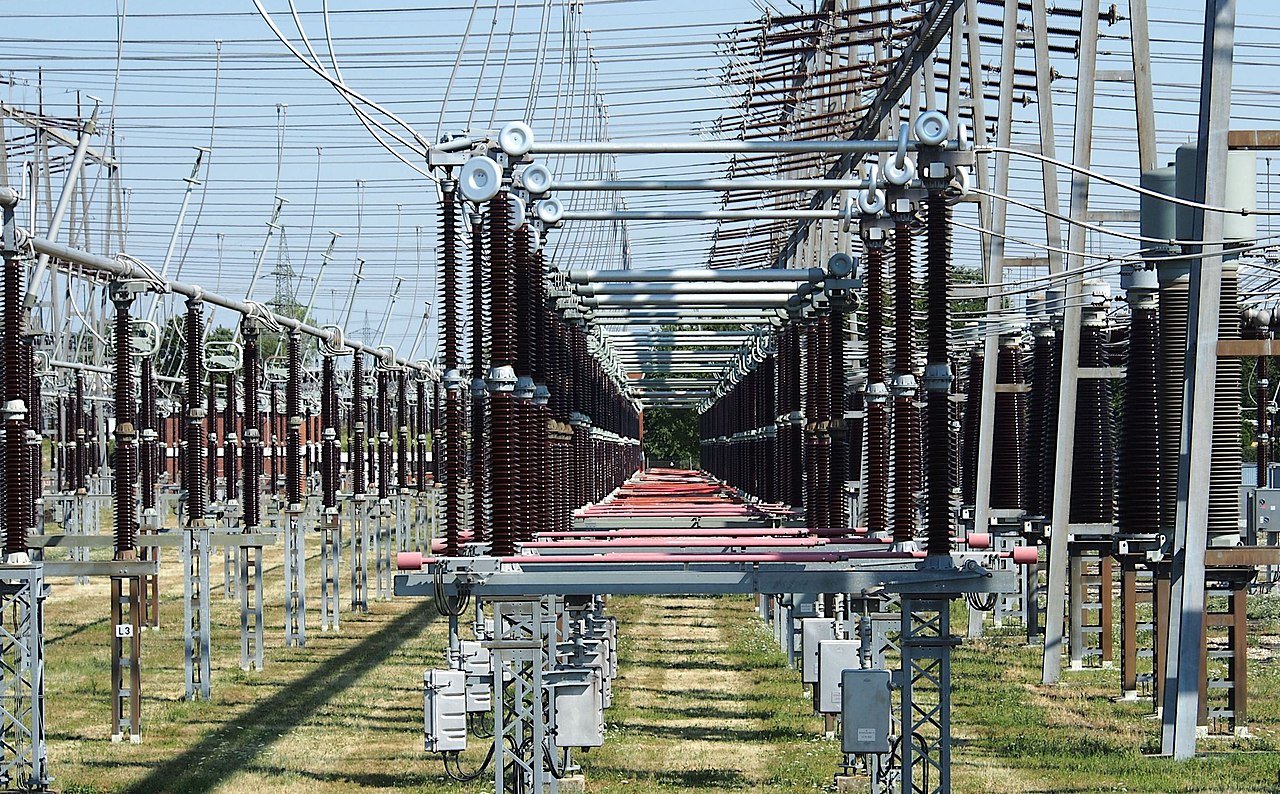
The rise of electrical power generation was a major milestone in the development of electrical engineering. The construction of the first hydroelectric power plant in 1868 marked the beginning of a new era in electricity generation. As the demand for electricity grew, so did the need for more efficient and reliable power generation systems. The development of the steam turbine and the gas turbine enabled the widespread use of electricity in industry and households. Today, electrical engineers continue to work on improving the efficiency and sustainability of power generation systems, with a focus on solar power and wind power.
📊 Fundamentals of Electrical Engineering
The fundamentals of electrical engineering include the study of electric circuits, electromagnetism, and electronics. Electrical engineers use a range of tools and techniques to design and analyze electrical systems, including SPICE simulation software and MATLAB. As noted by Charles Steinmetz, a pioneer in the field, the study of electrical engineering requires a deep understanding of mathematical concepts, such as calculus and linear algebra. For more information on the fundamentals of electrical engineering, see Fundamentals of Electrical Engineering.
🔋 Electronics and Electromagnetism
Electronics and electromagnetism are two of the most important areas of study in electrical engineering. The development of the transistor revolutionized the field of electronics, enabling the creation of smaller, faster, and more efficient electronic devices. Today, electrical engineers work on a wide range of electronic systems, from smartphones to medical imaging equipment. As the demand for more efficient and sustainable electronic systems grows, so does the need for advances in nanotechnology and quantum computing.
📞 Telecommunications and Signal Processing
Telecommunications and signal processing are critical areas of study in electrical engineering. The development of the telephone and the Internet enabled rapid communication and information exchange, revolutionizing the way we live and work. Today, electrical engineers work on a wide range of telecommunications systems, from cellular networks to satellite communication systems. As the demand for more efficient and secure communication systems grows, so does the need for advances in cryptography and network security.
💻 Computer Hardware and Software
Computer hardware and software are essential components of modern electrical engineering. The development of the microprocessor enabled the creation of smaller, faster, and more efficient computers. Today, electrical engineers work on a wide range of computer systems, from desktop computers to embedded systems. As the demand for more efficient and sustainable computer systems grows, so does the need for advances in artificial intelligence and machine learning.
🤖 Robotics and Control Systems
Robotics and control systems are critical areas of study in electrical engineering. The development of the robot enabled the creation of automated systems that can perform a wide range of tasks, from manufacturing to healthcare. Today, electrical engineers work on a wide range of robotics and control systems, from industrial robots to autonomous vehicles. As the demand for more efficient and sustainable robotics and control systems grows, so does the need for advances in sensor technology and actuator systems.
🚀 Aerospace and Defense Applications
Aerospace and defense applications are critical areas of study in electrical engineering. The development of the rocket and the satellite enabled the exploration of space and the creation of advanced defense systems. Today, electrical engineers work on a wide range of aerospace and defense systems, from guided missiles to radar systems. As the demand for more efficient and sustainable aerospace and defense systems grows, so does the need for advances in propulsion systems and materials science.
🌎 Energy and Environment
Energy and environment are critical areas of study in electrical engineering. The development of renewable energy systems, such as solar power and wind power, has enabled the creation of more sustainable and efficient energy systems. Today, electrical engineers work on a wide range of energy and environmental systems, from smart grids to energy storage systems. As the demand for more efficient and sustainable energy systems grows, so does the need for advances in energy efficiency and sustainability.
📚 Education and Career Paths
Education and career paths are essential components of electrical engineering. The field requires a strong foundation in mathematics and science, as well as a deep understanding of electrical engineering principles and practices. Today, electrical engineers can pursue a wide range of career paths, from research and development to consulting. For more information on education and career paths in electrical engineering, see Education and Career Paths in Electrical Engineering.
👥 Professional Organizations and Certifications
Professional organizations and certifications are critical components of electrical engineering. The Institute of Electrical and Electronics Engineers (IEEE) is one of the largest and most well-known professional organizations in the field. Today, electrical engineers can pursue a wide range of certifications, from the Professional Engineer (PE) license to the Certified Energy Manager (CEM) certification. For more information on professional organizations and certifications in electrical engineering, see Professional Organizations and Certifications in Electrical Engineering.
Key Facts
- Year
- 1884
- Origin
- London, England
- Category
- STEM
- Type
- Field of Study
Frequently Asked Questions
What is electrical engineering?
Electrical engineering is an engineering discipline concerned with the study, design, and application of equipment, devices, and systems that use electricity, electronics, and electromagnetism. It is a field that has revolutionized the way we live and work, with applications in a wide range of areas, from power generation to telecommunications. For more information, see Electrical Engineering.
What are the fundamentals of electrical engineering?
The fundamentals of electrical engineering include the study of electric circuits, electromagnetism, and electronics. Electrical engineers use a range of tools and techniques to design and analyze electrical systems, including SPICE simulation software and MATLAB. For more information, see Fundamentals of Electrical Engineering.
What are the applications of electrical engineering?
The applications of electrical engineering are diverse and widespread, with areas of study including power generation, telecommunications, computer hardware, and robotics. Electrical engineers work on a wide range of projects, from designing microprocessors to developing renewable energy systems. For more information, see Applications of Electrical Engineering.
What is the future of electrical engineering?
The future of electrical engineering is exciting and rapidly evolving, with advances in artificial intelligence, machine learning, and Internet of Things (IoT) technologies. As the demand for more efficient and sustainable electrical systems grows, so does the need for electrical engineers who can design and develop innovative solutions. For more information, see Future of Electrical Engineering.
How do I become an electrical engineer?
To become an electrical engineer, you typically need to earn a bachelor's degree in electrical engineering or a related field, such as computer science or physics. Many electrical engineers also pursue advanced degrees, such as a master's or Ph.D., to specialize in a particular area of the field. For more information, see Education and Career Paths in Electrical Engineering.
What are the job prospects for electrical engineers?
The job prospects for electrical engineers are excellent, with a wide range of career paths available in areas such as research and development, consulting, and industry. Electrical engineers are in high demand, with the Bureau of Labor Statistics predicting a 9% growth in employment opportunities from 2020 to 2030. For more information, see Job Prospects for Electrical Engineers.
What are the professional organizations for electrical engineers?
There are several professional organizations for electrical engineers, including the Institute of Electrical and Electronics Engineers (IEEE) and the National Society of Professional Engineers (NSPE). These organizations provide a range of benefits, including networking opportunities, professional development, and access to industry publications. For more information, see Professional Organizations for Electrical Engineers.