
Contents
- 🌿 Introduction to Spices
- 🍴 Culinary Uses of Spices
- 🌸 Spice Classification
- 💡 Historical Significance of Spices
- 🏥 Medicinal Uses of Spices
- 🕊️ Religious and Cultural Significance of Spices
- 🎀 Cosmetics and Perfume Production
- 🌟 Spice Trade and Economy
- 👨🍳 Spice Blending and Pairing
- 🚨 Spice Safety and Allergies
- 🌐 Global Spice Markets
- 📚 Conclusion and Future of Spices
- Frequently Asked Questions
- Related Topics
Overview
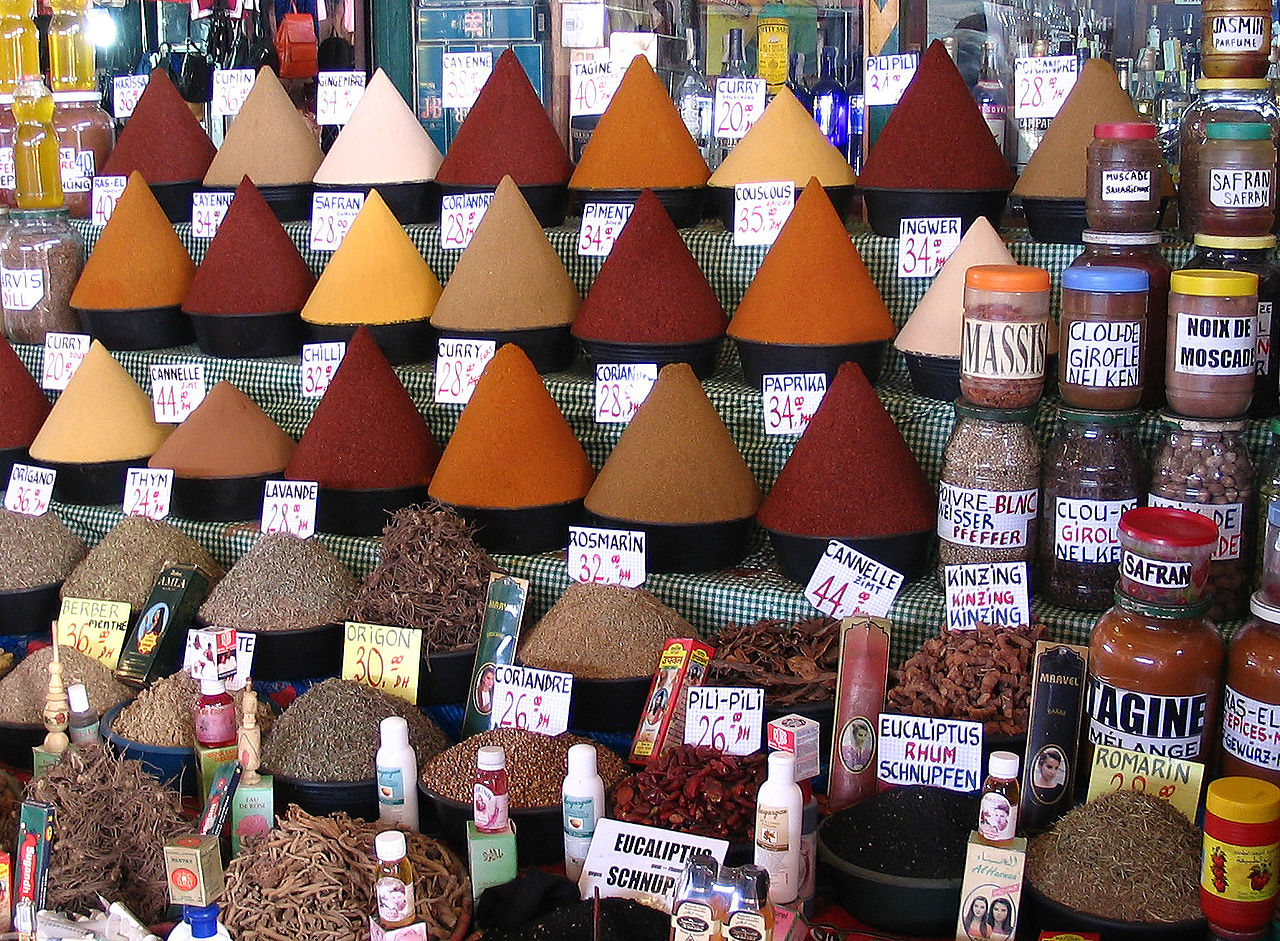
Spices have been a cornerstone of human cuisine for thousands of years, with a rich history that spans across various cultures and continents. As defined by the culinary arts, a spice is a seed, fruit, root, bark, or other plant substance primarily used for flavoring or coloring food. Spices are distinguished from herbs, which are the leaves, flowers, or stems of plants used for flavoring or as a garnish. The use of spices has been documented in ancient civilizations, including Ancient Egypt and Ancient China. For example, the spice cinnamon was highly valued in ancient times for its unique flavor and preservative properties.
🍴 Culinary Uses of Spices
In the culinary world, spices play a vital role in adding flavor and depth to various dishes. Chefs and home cooks alike rely on spices to create a wide range of flavors, from the warmth of cumin and coriander to the brightness of turmeric and paprika. Spices can be used in various forms, including whole, ground, or extracted, and are often combined with herbs and other ingredients to create complex flavor profiles. The art of cooking with spices requires a deep understanding of how different spices interact with each other and with various ingredients, as seen in the use of curry blends in Indian cuisine.
🌸 Spice Classification
Spices are often classified into different categories, including spices, spice seeds, and herbal categories. This classification helps to distinguish between different types of spices and their uses. For example, vanilla is commonly used as an ingredient in fragrance manufacturing, while saffron is prized for its unique flavor and color. The classification of spices also reflects their cultural and historical significance, as seen in the use of sumac in Middle Eastern cuisine.
💡 Historical Significance of Spices
The history of spices is marked by significant events and trade routes that have shaped the global spice industry. The Silk Road, for example, played a crucial role in the spread of spices across Asia and Europe. The Age of Exploration also had a profound impact on the spice trade, as European powers sought to establish new trade routes and colonies. The legacy of these historical events can still be seen in the modern spice trade, with many countries continuing to rely on spices as a major export commodity.
🏥 Medicinal Uses of Spices
In addition to their culinary uses, spices have also been used in medicine, religious rituals, and cosmetics. Many spices have been found to have medicinal properties, such as the anti-inflammatory effects of ginger and turmeric. Spices have also been used in traditional medicine for centuries, with many cultures relying on spices to treat a range of ailments. The use of spices in Ayurvedic medicine is a prime example of the significant role that spices play in traditional medicine.
🕊️ Religious and Cultural Significance of Spices
Spices have also played a significant role in religious and cultural rituals throughout history. In many cultures, spices are used to purify, protect, and bring good fortune. For example, the use of incense in Buddhist and Christian rituals is a common practice. The significance of spices in religious rituals reflects their cultural and symbolic importance, as seen in the use of myrrh in traditional African and Asian cultures.
🎀 Cosmetics and Perfume Production
The use of spices in cosmetics and perfume production is another significant aspect of the spice industry. Many spices, such as vanilla and cinnamon, are used to create fragrances and flavorings for various products. The production of perfume and fragrance products relies heavily on the use of spices, with many companies using spices to create unique and alluring scents. The use of spices in cosmetics also reflects their cultural and historical significance, as seen in the use of rose petals in traditional beauty products.
🌟 Spice Trade and Economy
The spice trade has been a significant contributor to the global economy for centuries. The trade in spices has shaped the course of human history, with many countries and empires rising and falling on the back of the spice trade. The modern spice trade is a complex and multifaceted industry, with many countries and companies involved in the production, processing, and distribution of spices. The impact of the spice trade on local economies can be seen in the example of India, which is one of the world's largest producers and exporters of spices.
👨🍳 Spice Blending and Pairing
The art of spice blending and pairing is a complex and nuanced process that requires a deep understanding of the different spices and their flavor profiles. Chefs and spice merchants use a range of techniques to create unique and complex spice blends, including the use of mortar and pestle and spice grinder. The pairing of spices with other ingredients is also an important aspect of spice blending, as seen in the use of garlic and ginger in many Asian dishes.
🚨 Spice Safety and Allergies
The safety and quality of spices are critical concerns in the spice industry. Many spices can be contaminated with pollutants, such as heavy metals and pesticides, which can have serious health consequences. The use of organic farming practices and sustainable agriculture methods can help to reduce the risk of contamination and ensure the quality of spices. The regulation of the spice industry is also an important aspect of ensuring spice safety, as seen in the example of the USDA regulations on spice imports.
🌐 Global Spice Markets
The global spice market is a complex and dynamic industry, with many countries and companies involved in the production, processing, and distribution of spices. The market is driven by a range of factors, including consumer demand, trade policies, and weather conditions. The impact of climate change on spice production is a significant concern, as seen in the example of the vanilla crop in Madagascar.
📚 Conclusion and Future of Spices
In conclusion, the world of spices is a rich and complex one, with a deep history and cultural significance. From the culinary uses of spices to their role in medicine, religious rituals, and cosmetics, spices play a vital role in many aspects of human life. As the spice industry continues to evolve and grow, it is likely that new and innovative uses for spices will emerge, driving further growth and development in the industry. The future of spices is likely to be shaped by a range of factors, including consumer demand, technological innovation, and environmental sustainability.
Key Facts
- Category
- topic
- Type
- topic
Frequently Asked Questions
What is the difference between a spice and an herb?
A spice is a seed, fruit, root, bark, or other plant substance primarily used for flavoring or coloring food, while an herb is the leaf, flower, or stem of a plant used for flavoring or as a garnish. The distinction between spices and herbs is based on the part of the plant used and the way it is used in cooking. For example, the leaves of the basil plant are used as an herb, while the seeds of the coriander plant are used as a spice.
What are some common uses of spices in medicine?
Spices have been used in traditional medicine for centuries to treat a range of ailments, including digestive issues, inflammation, and respiratory problems. Many spices have been found to have medicinal properties, such as the anti-inflammatory effects of ginger and turmeric. The use of spices in medicine is a significant aspect of many traditional medicine systems, including Ayurvedic medicine and Traditional Chinese Medicine.
How do spices affect the flavor of food?
Spices can add a wide range of flavors to food, from the warmth of cumin and coriander to the brightness of turmeric and paprika. The flavor of spices is determined by the chemical compounds present in the spice, which can interact with other ingredients in complex ways. The use of spices in cooking requires a deep understanding of the different spices and their flavor profiles, as well as the techniques used to release their flavors. For example, the use of sauteing and roasting can help to bring out the flavors of spices.
What are some common spices used in perfume production?
Many spices are used in perfume production, including vanilla, cinnamon, and cardamom. These spices are used to create fragrances and flavorings for various products, including perfumes, colognes, and fragrant oils. The use of spices in perfume production is a significant aspect of the fragrance industry, with many companies relying on spices to create unique and alluring scents. For example, the use of rose petals in perfume production is a common practice.
How do spices impact the economy?
The spice trade has been a significant contributor to the global economy for centuries, with many countries and companies involved in the production, processing, and distribution of spices. The impact of the spice trade on local economies can be seen in the example of India, which is one of the world's largest producers and exporters of spices. The spice industry is a complex and multifaceted one, with many factors influencing the global spice market, including consumer demand, trade policies, and weather conditions.
What are some potential health risks associated with spices?
Some spices can be contaminated with pollutants, such as heavy metals and pesticides, which can have serious health consequences. The use of organic farming practices and sustainable agriculture methods can help to reduce the risk of contamination and ensure the quality of spices. The regulation of the spice industry is also an important aspect of ensuring spice safety, as seen in the example of the USDA regulations on spice imports. Consumers should be aware of the potential health risks associated with spices and take steps to ensure that they are purchasing high-quality spices from reputable sources.
How do spices impact the environment?
The production and trade of spices can have significant environmental impacts, including deforestation, water pollution, and soil degradation. The use of sustainable agriculture methods and organic farming practices can help to reduce the environmental impacts of spice production. Consumers can also play a role in reducing the environmental impacts of spices by choosing to purchase spices from companies that prioritize sustainability and environmental responsibility. For example, the use of fair trade practices can help to ensure that spice farmers are paid a fair price for their products and that the environment is protected.