
Contents
- 🏛️ Introduction to Canadian Politics
- 👑 The Role of the Monarchy in Canada
- 🗳️ The Federal System of Government
- 🏢 The Structure of the Canadian Parliament
- 👥 The Cabinet and Executive Authority
- 📊 The House of Commons and Democratic Representation
- 🤝 The Relationship Between the Executive and Legislative Branches
- 🚨 Controversies and Challenges in Canadian Politics
- 🌎 Canada's Position on the Global Stage
- 📚 The Evolution of Canadian Politics
- 👀 Current Issues and Debates in Canadian Politics
- 👍 Conclusion: Navigating the Complex Web of Canadian Politics
- Frequently Asked Questions
- Related Topics
Overview
Canadian politics is a multifaceted entity with a rich history, tracing back to the British North America Act of 1867. The country has a parliamentary democracy system, with a monarch serving as head of state and a prime minister as head of government. The Liberal Party of Canada, the Conservative Party of Canada, and the New Democratic Party are the dominant parties, each with its own stance on issues like healthcare, climate change, and economic policy. The nation has seen significant moments, such as the Quebec referendum in 1995 and the recent debates on Indigenous reconciliation. With a vibe score of 7, indicating moderate cultural energy, Canadian politics is marked by a mix of progressive and conservative ideologies. As the country moves forward, it faces challenges like addressing climate change, managing its relationship with the United States, and reconciling with its Indigenous peoples.
🏛️ Introduction to Canadian Politics
The politics of Canada is a complex and multifaceted system, with a rich history and a unique blend of traditions and institutions. At its core, the Canadian system is a parliamentary democracy with a federal system of government. The monarch serves as the ceremonial head of state, but in practice, executive authority is exercised by the Cabinet, a committee of ministers chaired by the Prime Minister of Canada. This system is designed to provide a balance of power and representation, with the House of Commons serving as the democratically elected legislative body. For more information on the Canadian system, see Canadian Politics. The Constitution Act of 1867 is a key document that outlines the framework of the Canadian government.
👑 The Role of the Monarchy in Canada
The monarch plays a significant role in Canadian politics, serving as the ceremonial head of state. However, the monarch's powers are largely symbolic, and executive authority is exercised by the Cabinet. The monarch's role is to represent the state and serve as a unifying figure for the country. The current monarch is King Charles III, who has been on the throne since 2022. For more information on the monarch's role, see Monarchy in Canada. The Governor General serves as the representative of the monarch in Canada, and is responsible for carrying out the monarch's duties. The Royal Family also plays a significant role in Canadian politics, with members of the family often carrying out official duties and engagements.
🗳️ The Federal System of Government
The federal system of government in Canada is designed to provide a balance of power and representation between the federal government and the provinces. The federal government has jurisdiction over matters such as foreign policy, national defense, and economic policy, while the provinces have jurisdiction over matters such as healthcare, education, and infrastructure. This system is designed to provide a balance of power and representation, and to ensure that the needs and interests of all regions of the country are taken into account. For more information on the federal system, see Federalism in Canada. The provinces and territories of Canada each have their own unique characteristics and challenges, and the federal system is designed to accommodate these differences.
🏢 The Structure of the Canadian Parliament
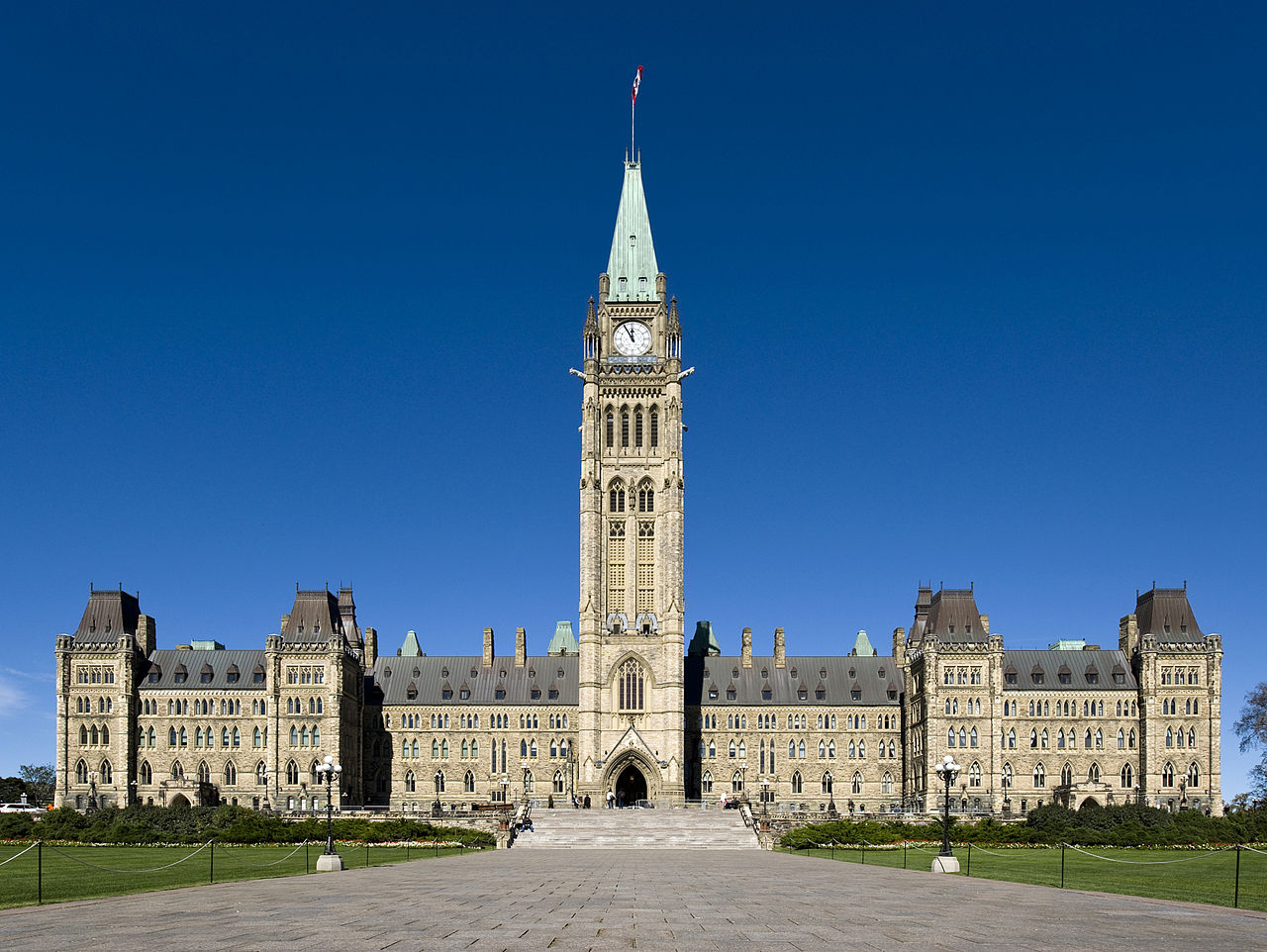
The Parliament of Canada is the legislative body of the federal government, and is composed of the House of Commons, the Senate, and the monarch. The House of Commons is the democratically elected chamber, and is composed of members of parliament (MPs) who are elected by the people. The Senate is the upper chamber, and is composed of senators who are appointed by the Prime Minister. The parliamentary system is designed to provide a balance of power and representation, and to ensure that the needs and interests of all regions of the country are taken into account. For more information on the parliamentary system, see Parliamentary System in Canada. The legislative process involves the introduction and debate of bills, which are then voted on by the members of parliament.
📊 The House of Commons and Democratic Representation
The House of Commons is the democratically elected chamber of the Parliament of Canada, and is composed of members of parliament (MPs) who are elected by the people. The House of Commons is responsible for debating and voting on bills, and for holding the government accountable for its actions. The opposition parties play a crucial role in the House of Commons, as they provide a check on the power of the government and ensure that the government is accountable to the people. For more information on the House of Commons, see House of Commons of Canada. The parliamentary opposition is led by the Leader of the Opposition, who is the leader of the largest opposition party.
🤝 The Relationship Between the Executive and Legislative Branches
The relationship between the executive branch and the legislative branch is a crucial aspect of the Canadian system of government. The executive branch is responsible for carrying out the business of government, while the legislative branch is responsible for making the laws. The judicial branch plays a crucial role in interpreting the laws and ensuring that they are consistent with the Constitution. For more information on the relationship between the branches, see Separation of Powers. The Supreme Court of Canada is the highest court in the land, and is responsible for interpreting the Constitution and ensuring that the laws are consistent with it.
🚨 Controversies and Challenges in Canadian Politics
Canadian politics is not without its controversies and challenges. One of the major issues facing the country is the Indigenous reconciliation process, which aims to address the historical injustices faced by Indigenous peoples. Another major issue is the climate change crisis, which requires a coordinated effort from all levels of government to address. For more information on these issues, see Indigenous Issues in Canada and Climate Change in Canada. The federal elections are a crucial aspect of Canadian politics, as they provide an opportunity for citizens to choose their representatives and shape the direction of the country.
🌎 Canada's Position on the Global Stage
Canada plays a significant role on the global stage, and is a member of various international organizations such as the United Nations and the G7. The country is also a signatory to various international agreements, such as the Paris Agreement on climate change. For more information on Canada's role on the global stage, see Canada and the United Nations. The Canada-US relations are a crucial aspect of Canadian foreign policy, as the two countries share a long border and have a significant trade relationship.
📚 The Evolution of Canadian Politics
The evolution of Canadian politics has been shaped by a variety of factors, including the country's history, geography, and culture. The French and British influence on Canadian politics has been significant, and has shaped the country's language, laws, and institutions. For more information on the evolution of Canadian politics, see History of Canada. The Canadian identity is a complex and multifaceted concept, and is shaped by a variety of factors, including the country's history, geography, and culture.
👀 Current Issues and Debates in Canadian Politics
Current issues and debates in Canadian politics include the pipeline debate, the gun control debate, and the immigration debate. These issues are complex and multifaceted, and require a nuanced and informed approach. For more information on these issues, see Pipeline Debate in Canada, Gun Control in Canada, and Immigration in Canada. The Canadian economy is a crucial aspect of Canadian politics, and is shaped by a variety of factors, including trade, investment, and innovation.
Key Facts
- Year
- 1867
- Origin
- British North America Act
- Category
- Politics
- Type
- Country
Frequently Asked Questions
What is the role of the monarch in Canadian politics?
The monarch serves as the ceremonial head of state, but in practice, executive authority is exercised by the Cabinet. The monarch's role is to represent the state and serve as a unifying figure for the country. For more information on the monarch's role, see Monarchy in Canada. The monarch's powers are largely symbolic, and are exercised through the Governor General, who serves as the representative of the monarch in Canada.
How does the federal system of government work in Canada?
The federal system of government in Canada is designed to provide a balance of power and representation between the federal government and the provinces. The federal government has jurisdiction over matters such as foreign policy, national defense, and economic policy, while the provinces have jurisdiction over matters such as healthcare, education, and infrastructure. For more information on the federal system, see Federalism in Canada. The federal system is designed to accommodate the unique characteristics and challenges of each province and territory.
What is the role of the Cabinet in Canadian politics?
The Cabinet is the executive committee of the King's Privy Council for Canada, and is responsible for advising the Prime Minister and carrying out the business of government. The Cabinet is composed of ministers who are responsible for various portfolios, such as finance, health, and national defense. For more information on the Cabinet, see Cabinet of Canada. The Prime Minister is the head of the Cabinet, and is responsible for setting the overall direction and priorities of the government.
How does the House of Commons work in Canadian politics?
The House of Commons is the democratically elected chamber of the Parliament of Canada, and is composed of members of parliament (MPs) who are elected by the people. The House of Commons is responsible for debating and voting on bills, and for holding the government accountable for its actions. For more information on the House of Commons, see House of Commons of Canada. The opposition parties play a crucial role in the House of Commons, as they provide a check on the power of the government and ensure that the government is accountable to the people.
What are some of the current issues and debates in Canadian politics?
Current issues and debates in Canadian politics include the pipeline debate, the gun control debate, and the immigration debate. These issues are complex and multifaceted, and require a nuanced and informed approach. For more information on these issues, see Pipeline Debate in Canada, Gun Control in Canada, and Immigration in Canada. The Canadian economy is a crucial aspect of Canadian politics, and is shaped by a variety of factors, including trade, investment, and innovation.
How does Canada's system of government compare to other countries?
Canada's system of government is a unique blend of traditions and institutions, with a parliamentary system, a federal system, and a monarch. This system is designed to provide a balance of power and representation, and to ensure that the needs and interests of all regions of the country are taken into account. For more information on Canada's system of government, see Canadian Politics. The Canadian system is often compared to other countries with similar systems, such as the United Kingdom and Australia.
What is the role of the Supreme Court of Canada in Canadian politics?
The Supreme Court of Canada is the highest court in the land, and is responsible for interpreting the Constitution and ensuring that the laws are consistent with it. The Supreme Court plays a crucial role in shaping the country's politics and governance, and is often called upon to resolve complex and contentious issues. For more information on the Supreme Court, see Supreme Court of Canada. The Supreme Court is composed of nine judges, who are appointed by the Prime Minister and confirmed by the Senate.