
Contents
- 📈 Introduction to Business Continuity
- 💼 The Importance of Business Continuity Planning
- 🌪️ Understanding Disruptive Incidents and Threats
- 📊 Business Impact Analysis and Risk Assessment
- 📈 Developing a Business Continuity Plan
- 💻 Implementing Disaster Recovery Strategies
- 📊 Testing and Exercising Business Continuity Plans
- 📈 Maintaining and Reviewing Business Continuity Plans
- 🌐 Business Continuity and Crisis Management
- 📊 Measuring the Effectiveness of Business Continuity
- 📈 Best Practices for Business Continuity Management
- 🔜 The Future of Business Continuity and Resilience
- Frequently Asked Questions
- Related Topics
Overview
Business continuity is a critical aspect of business operations that ensures an organization can continue to deliver its products or services at pre-defined acceptable levels following a disaster recovery incident. The goal of business continuity planning is to enable ongoing operations before and during the execution of disaster recovery. This involves creating systems of prevention and recovery to deal with potential threats to a company, such as cybersecurity breaches or natural disasters. By having a well-planned business continuity strategy, organizations can minimize the impact of disruptions and ensure the continuity of their operations. For example, a company like Amazon has a robust business continuity plan in place to ensure that its e-commerce platform remains operational even in the event of a disaster. Effective business continuity planning involves understanding the organization's risk management framework and implementing measures to mitigate potential risks.
💼 The Importance of Business Continuity Planning
The importance of business continuity planning cannot be overstated. It is essential for organizations to have a plan in place to ensure the continuity of their operations in the event of a disruption. This involves identifying potential risks and threats, assessing their impact on the organization, and developing strategies to mitigate them. A well-planned business continuity strategy can help organizations to minimize the impact of disruptions, reduce downtime, and ensure the continuity of their operations. For instance, a company like Google has a comprehensive business continuity plan in place to ensure that its cloud computing services remain operational even in the event of a disaster. Business continuity planning is closely related to disaster recovery and incident response, and involves the development of plans and procedures to respond to and recover from disruptions. Organizations can also learn from the experiences of other companies, such as Facebook, which has faced several disruptions in the past and has developed a robust business continuity plan to mitigate the impact of future disruptions.
🌪️ Understanding Disruptive Incidents and Threats
Disruptive incidents and threats can have a significant impact on an organization's operations and can result in significant losses if not properly managed. These incidents can include natural disasters, cybersecurity breaches, power outages, and other types of disruptions. Understanding the potential risks and threats to an organization is critical to developing an effective business continuity plan. This involves conducting a business impact analysis to identify the potential impact of disruptions on the organization and assessing the likelihood and potential impact of different types of disruptions. For example, a company like Microsoft has a comprehensive risk management framework in place to identify and mitigate potential risks to its operations. By understanding the potential risks and threats, organizations can develop strategies to mitigate them and ensure the continuity of their operations. This can involve implementing measures such as backup and recovery procedures, disaster recovery plans, and business continuity planning.
📊 Business Impact Analysis and Risk Assessment
A business impact analysis is a critical component of business continuity planning. It involves identifying the potential impact of disruptions on an organization and assessing the likelihood and potential impact of different types of disruptions. This analysis helps organizations to understand the potential risks and threats to their operations and to develop strategies to mitigate them. The business impact analysis should include an assessment of the potential financial, operational, and reputational impacts of disruptions, as well as an evaluation of the organization's ability to respond to and recover from disruptions. For instance, a company like IBM has a comprehensive business impact analysis framework in place to identify and mitigate potential risks to its operations. By conducting a thorough business impact analysis, organizations can develop effective business continuity plans that minimize the impact of disruptions and ensure the continuity of their operations. This can involve implementing measures such as risk management procedures, compliance programs, and audit and assurance activities.
📈 Developing a Business Continuity Plan
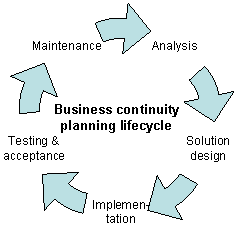
Developing a business continuity plan involves several steps, including conducting a business impact analysis, identifying critical business processes, and developing strategies to mitigate potential risks and threats. The plan should include procedures for responding to and recovering from disruptions, as well as measures to prevent disruptions from occurring in the first place. The plan should also include procedures for communicating with stakeholders, including employees, customers, and suppliers, and for managing the organization's reputation during a disruption. For example, a company like Apple has a comprehensive business continuity plan in place to ensure that its operations remain uninterrupted even in the event of a disaster. By developing a comprehensive business continuity plan, organizations can minimize the impact of disruptions and ensure the continuity of their operations. This can involve implementing measures such as incident response plans, crisis management procedures, and emergency management activities.
💻 Implementing Disaster Recovery Strategies
Implementing disaster recovery strategies is a critical component of business continuity planning. This involves developing plans and procedures to respond to and recover from disruptions, including data backup and recovery procedures, system recovery procedures, and network recovery procedures. The goal of disaster recovery is to minimize the impact of disruptions and to restore normal operations as quickly as possible. This can involve implementing measures such as cloud computing, virtualization, and backup and recovery procedures. For instance, a company like Oracle has a comprehensive disaster recovery plan in place to ensure that its operations remain uninterrupted even in the event of a disaster. By implementing effective disaster recovery strategies, organizations can minimize the impact of disruptions and ensure the continuity of their operations. This can involve implementing measures such as risk management procedures, compliance programs, and audit and assurance activities.
📊 Testing and Exercising Business Continuity Plans
Testing and exercising business continuity plans is essential to ensure that they are effective and that the organization is prepared to respond to disruptions. This involves conducting regular tests and exercises to evaluate the plan's effectiveness and to identify areas for improvement. The tests and exercises should include scenarios that simulate real-world disruptions, such as natural disasters, cybersecurity breaches, and power outages. For example, a company like Salesforce has a comprehensive testing and exercising framework in place to ensure that its business continuity plan is effective and up-to-date. By testing and exercising the plan, organizations can ensure that they are prepared to respond to disruptions and that their operations will continue uninterrupted. This can involve implementing measures such as incident response plans, crisis management procedures, and emergency management activities.
📈 Maintaining and Reviewing Business Continuity Plans
Maintaining and reviewing business continuity plans is essential to ensure that they remain effective and relevant. This involves regularly reviewing and updating the plan to reflect changes in the organization's operations, risks, and threats. The review should include an assessment of the plan's effectiveness, as well as an evaluation of the organization's ability to respond to and recover from disruptions. For instance, a company like Microsoft has a comprehensive review and update framework in place to ensure that its business continuity plan is effective and up-to-date. By maintaining and reviewing the plan, organizations can ensure that they are prepared to respond to disruptions and that their operations will continue uninterrupted. This can involve implementing measures such as risk management procedures, compliance programs, and audit and assurance activities.
🌐 Business Continuity and Crisis Management
Business continuity and crisis management are closely related. Crisis management involves responding to and managing a crisis, while business continuity involves ensuring the continuity of operations during and after a crisis. A comprehensive business continuity plan should include procedures for responding to and managing a crisis, as well as measures to prevent crises from occurring in the first place. For example, a company like Google has a comprehensive crisis management framework in place to ensure that its operations remain uninterrupted even in the event of a crisis. By integrating business continuity and crisis management, organizations can minimize the impact of disruptions and ensure the continuity of their operations. This can involve implementing measures such as incident response plans, crisis management procedures, and emergency management activities.
📊 Measuring the Effectiveness of Business Continuity
Measuring the effectiveness of business continuity plans is essential to ensure that they are working as intended. This involves conducting regular metrics and monitoring to evaluate the plan's effectiveness, as well as an assessment of the organization's ability to respond to and recover from disruptions. The metrics should include measures such as downtime, recovery time, and data loss. For instance, a company like IBM has a comprehensive metrics and monitoring framework in place to ensure that its business continuity plan is effective and up-to-date. By measuring the effectiveness of the plan, organizations can identify areas for improvement and make adjustments as needed to ensure the continuity of their operations. This can involve implementing measures such as risk management procedures, compliance programs, and audit and assurance activities.
📈 Best Practices for Business Continuity Management
Best practices for business continuity management involve implementing a comprehensive and integrated approach to managing risks and disruptions. This includes conducting regular business impact analysis, developing and testing business continuity plans, and implementing measures to prevent disruptions from occurring in the first place. For example, a company like Amazon has a comprehensive business continuity management framework in place to ensure that its operations remain uninterrupted even in the event of a disaster. By following best practices, organizations can minimize the impact of disruptions and ensure the continuity of their operations. This can involve implementing measures such as incident response plans, crisis management procedures, and emergency management activities.
🔜 The Future of Business Continuity and Resilience
The future of business continuity and resilience will involve the use of new technologies and strategies to manage risks and disruptions. This includes the use of cloud computing, artificial intelligence, and internet of things to support business continuity and disaster recovery. For instance, a company like Microsoft is investing heavily in the development of new technologies to support business continuity and resilience. By embracing new technologies and strategies, organizations can stay ahead of the curve and ensure the continuity of their operations in the face of an increasingly complex and uncertain world. This can involve implementing measures such as risk management procedures, compliance programs, and audit and assurance activities.
Key Facts
- Year
- 2023
- Origin
- United States
- Category
- Business Operations
- Type
- Concept
Frequently Asked Questions
What is business continuity?
Business continuity refers to the capability of an organization to continue the delivery of products or services at pre-defined acceptable levels following a disruptive incident. It involves creating systems of prevention and recovery to deal with potential threats to a company, and the goal is to enable ongoing operations before and during the execution of disaster recovery. For example, a company like Amazon has a robust business continuity plan in place to ensure that its e-commerce platform remains operational even in the event of a disaster. Effective business continuity planning involves understanding the organization's risk management framework and implementing measures to mitigate potential risks.
Why is business continuity planning important?
Business continuity planning is important because it helps organizations to minimize the impact of disruptions and ensure the continuity of their operations. This involves identifying potential risks and threats, assessing their impact on the organization, and developing strategies to mitigate them. A well-planned business continuity strategy can help organizations to reduce downtime, minimize losses, and maintain their reputation. For instance, a company like Google has a comprehensive business continuity plan in place to ensure that its cloud computing services remain operational even in the event of a disaster. By having a business continuity plan in place, organizations can ensure that they are prepared to respond to disruptions and that their operations will continue uninterrupted.
What are the key components of a business continuity plan?
The key components of a business continuity plan include a business impact analysis, a risk assessment, and a disaster recovery plan. The plan should also include procedures for responding to and recovering from disruptions, as well as measures to prevent disruptions from occurring in the first place. For example, a company like Microsoft has a comprehensive business continuity plan in place that includes procedures for responding to and recovering from disruptions, as well as measures to prevent disruptions from occurring in the first place. The plan should be regularly reviewed and updated to ensure that it remains effective and relevant.
How can organizations test and exercise their business continuity plans?
Organizations can test and exercise their business continuity plans by conducting regular tests and exercises to evaluate the plan's effectiveness and to identify areas for improvement. The tests and exercises should include scenarios that simulate real-world disruptions, such as natural disasters, cybersecurity breaches, and power outages. For instance, a company like Salesforce has a comprehensive testing and exercising framework in place to ensure that its business continuity plan is effective and up-to-date. By testing and exercising the plan, organizations can ensure that they are prepared to respond to disruptions and that their operations will continue uninterrupted.
What are the benefits of business continuity planning?
The benefits of business continuity planning include minimizing the impact of disruptions, reducing downtime, and maintaining the organization's reputation. It also helps organizations to identify and mitigate potential risks, and to develop strategies to prevent disruptions from occurring in the first place. For example, a company like IBM has a comprehensive business continuity plan in place that has helped the company to minimize the impact of disruptions and to maintain its reputation. By having a business continuity plan in place, organizations can ensure that they are prepared to respond to disruptions and that their operations will continue uninterrupted.
How can organizations measure the effectiveness of their business continuity plans?
Organizations can measure the effectiveness of their business continuity plans by conducting regular metrics and monitoring to evaluate the plan's effectiveness. The metrics should include measures such as downtime, recovery time, and data loss. For instance, a company like Oracle has a comprehensive metrics and monitoring framework in place to ensure that its business continuity plan is effective and up-to-date. By measuring the effectiveness of the plan, organizations can identify areas for improvement and make adjustments as needed to ensure the continuity of their operations.
What are the best practices for business continuity management?
The best practices for business continuity management involve implementing a comprehensive and integrated approach to managing risks and disruptions. This includes conducting regular business impact analysis, developing and testing business continuity plans, and implementing measures to prevent disruptions from occurring in the first place. For example, a company like Amazon has a comprehensive business continuity management framework in place to ensure that its operations remain uninterrupted even in the event of a disaster. By following best practices, organizations can minimize the impact of disruptions and ensure the continuity of their operations.