
Contents
- 🎵 Origins & History
- ⚙️ How It Works
- 📊 Key Facts & Numbers
- 👥 Key People & Organizations
- 🌍 Cultural Impact & Influence
- ⚡ Current State & Latest Developments
- 🤔 Controversies & Debates
- 🔮 Future Outlook & Predictions
- 💡 Practical Applications
- 📚 Related Topics & Deeper Reading
- Frequently Asked Questions
- References
- Related Topics
Overview
The 1000 Genomes Project was a pioneering international research initiative that aimed to create a comprehensive catalogue of human genetic variation. Launched in 2008 and completed in 2015, the project involved sequencing the genomes of over 1,000 anonymous healthy participants from diverse ethnic groups. The project's findings, published in several Nature papers, have significantly advanced our understanding of human genetics and paved the way for future research in personalized medicine, genetic epidemiology, and population genetics. With the help of National Institutes of Health and Wellcome Trust, the project has made significant contributions to the field of genetics, including the identification of many rare genetic variations and the analysis of structural-variation classes. The project's data is now available for researchers to explore, including those at Harvard University and Stanford University.
🎵 Origins & History
The 1000 Genomes Project was launched in January 2008 as an international research effort to establish the most detailed catalogue of human genetic variation at the time. The project was a collaboration between multidisciplinary research teams from institutes around the world, including China, Italy, Japan, Kenya, and Nigeria. The project's goal was to sequence the genomes of at least one thousand anonymous healthy participants from a number of different ethnic groups within three years, using advancements in newly developed technologies. The project was supported by major funding agencies, including the National Institutes of Health and the Wellcome Trust.
⚙️ How It Works
The project's pilot phase was completed in 2010, and the results were published in a paper in the journal Nature. The pilot phase involved sequencing the genomes of 179 individuals from four populations: Yoruba people in Ibadan, Nigeria, Utah residents with European ancestry, Japanese people in Tokyo, Japan, and Han Chinese people in Beijing, China. The project's main phase involved sequencing the genomes of 1,092 individuals from 14 populations, and the results were published in a paper in Nature in 2012. The project's final results were published in two papers in Nature in 2015, which reported the completion of the project and opportunities for future research.
📊 Key Facts & Numbers
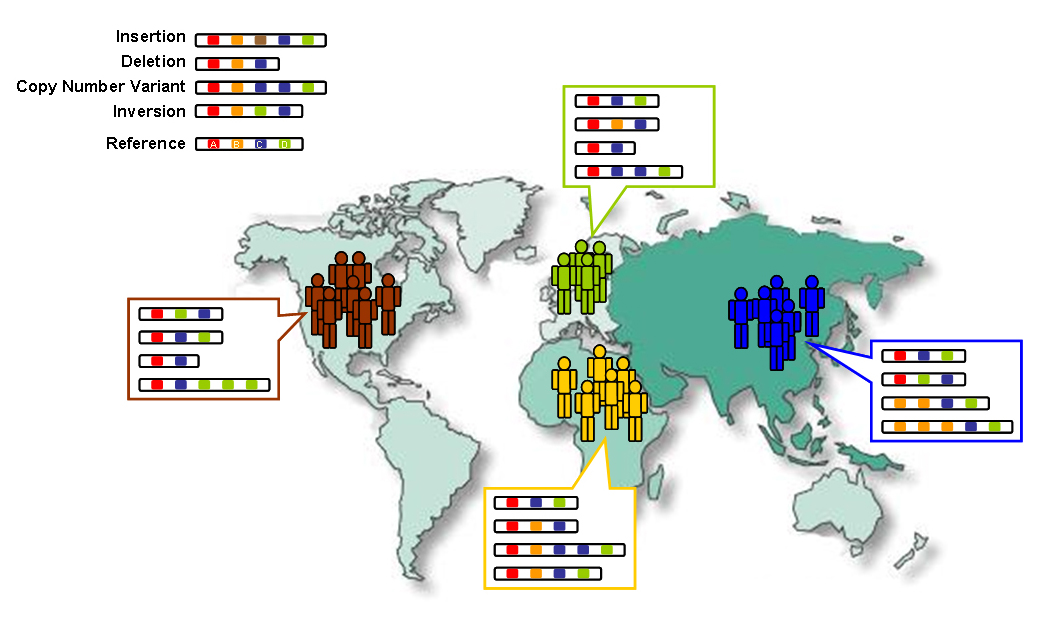
The 1000 Genomes Project has generated a vast amount of data, including over 84 million genetic variants, which are now available for researchers to explore. The project's data has been used to identify many rare genetic variations, including those associated with diseases such as cystic fibrosis and sickle cell anemia. The project's data has also been used to analyze structural-variation classes, including copy number variations and insertions/deletions. The project's findings have significantly advanced our understanding of human genetics and have paved the way for future research in personalized medicine, genetic epidemiology, and population genetics. Researchers at University of California and Massachusetts Institute of Technology have used the project's data to make new discoveries.
👥 Key People & Organizations
The 1000 Genomes Project involved a large team of researchers from around the world, including David Altshuler, Richard Durbin, and Gil McVean. The project was supported by major funding agencies, including the National Institutes of Health and the Wellcome Trust. The project's data is now available for researchers to explore, and has been used by researchers at institutions such as Harvard University and Stanford University.
🌍 Cultural Impact & Influence
The 1000 Genomes Project has had a significant impact on the field of genetics, and has paved the way for future research in personalized medicine, genetic epidemiology, and population genetics. The project's findings have been used to identify many rare genetic variations, and have provided new insights into the genetic basis of disease. The project's data is now available for researchers to explore, and has been used by researchers at institutions such as University of Oxford and University of Cambridge.
⚡ Current State & Latest Developments
The 1000 Genomes Project is now complete, but its legacy continues to shape the field of genetics. The project's data is still being used by researchers to make new discoveries, and its findings have paved the way for future research in personalized medicine, genetic epidemiology, and population genetics. The project's impact can be seen in the work of researchers at institutions such as Broad Institute and Sanger Institute.
🤔 Controversies & Debates
The 1000 Genomes Project has not been without controversy, with some critics arguing that the project's focus on genetic variation has overshadowed the importance of environmental factors in disease. Others have raised concerns about the project's potential impact on genetic privacy, and the potential for genetic discrimination. However, the project's findings have also been widely praised, and have provided new insights into the genetic basis of disease. Researchers at Columbia University and Johns Hopkins University have explored the ethical implications of the project's findings.
🔮 Future Outlook & Predictions
The 1000 Genomes Project has significant implications for the future of genetics research, and has paved the way for future research in personalized medicine, genetic epidemiology, and population genetics. The project's findings have provided new insights into the genetic basis of disease, and have identified many rare genetic variations. The project's data is now available for researchers to explore, and is expected to continue to shape the field of genetics for years to come. Researchers at California Institute of Technology and Duke University are using the project's data to develop new treatments for genetic diseases.
💡 Practical Applications
The 1000 Genomes Project has many practical applications, including the development of personalized medicine, genetic epidemiology, and population genetics. The project's findings have provided new insights into the genetic basis of disease, and have identified many rare genetic variations. The project's data is now available for researchers to explore, and is expected to continue to shape the field of genetics for years to come. Companies such as Illumina and Thermo Fisher Scientific are using the project's data to develop new genetic testing technologies.
Key Facts
- Year
- 2008-2015
- Origin
- International
- Category
- public-health
- Type
- project
Frequently Asked Questions
What was the main goal of the 1000 Genomes Project?
The main goal of the 1000 Genomes Project was to create a comprehensive catalogue of human genetic variation by sequencing the genomes of at least one thousand anonymous healthy participants from diverse ethnic groups. The project was supported by National Institutes of Health and Wellcome Trust.
How many genetic variants were identified by the project?
The project identified over 84 million genetic variants, including many rare variations associated with diseases such as cystic fibrosis and sickle cell anemia. Researchers at University of California and Massachusetts Institute of Technology have used the project's data to make new discoveries.
What are the practical applications of the 1000 Genomes Project?
The project has many practical applications, including the development of personalized medicine, genetic epidemiology, and population genetics. The project's findings have provided new insights into the genetic basis of disease, and have identified many rare genetic variations. Companies such as Illumina and Thermo Fisher Scientific are using the project's data to develop new genetic testing technologies.
How has the 1000 Genomes Project impacted the field of genetics?
The project has had a significant impact on the field of genetics, and has paved the way for future research in personalized medicine, genetic epidemiology, and population genetics. The project's findings have provided new insights into the genetic basis of disease, and have identified many rare genetic variations. Researchers at Broad Institute and Sanger Institute are using the project's data to make new discoveries.
What are the potential risks and benefits of the 1000 Genomes Project?
The project has raised concerns about genetic privacy and the potential for genetic discrimination. However, the project's findings have also provided new insights into the genetic basis of disease, and have identified many rare genetic variations. Researchers at Columbia University and Johns Hopkins University have explored the ethical implications of the project's findings.
How can I access the data from the 1000 Genomes Project?
The project's data is now available for researchers to explore, and can be accessed through the National Institutes of Health website. Researchers at Harvard University and Stanford University are using the project's data to make new discoveries.
What are the future directions of the 1000 Genomes Project?
The project's findings have paved the way for future research in personalized medicine, genetic epidemiology, and population genetics. The project's data is expected to continue to shape the field of genetics for years to come. Researchers at California Institute of Technology and Duke University are using the project's data to develop new treatments for genetic diseases.