
Contents
- 🔋 Introduction to Electric Motors
- 💡 History of Electric Motors
- 🔍 How Electric Motors Work
- 📈 Types of Electric Motors
- 🔩 Applications of Electric Motors
- 🚀 Electric Motors in Transportation
- 💻 Electric Motors in Industrial Automation
- 🔋 Electric Motor Efficiency and Maintenance
- 🌎 Environmental Impact of Electric Motors
- 💸 Economic Benefits of Electric Motors
- 🔜 Future of Electric Motors
- Frequently Asked Questions
- Related Topics
Overview
The electric motor, invented by Michael Faraday in 1821, has become a ubiquitous component in modern technology, powering everything from household appliances to electric vehicles. With over 1 billion units produced annually, electric motors account for approximately 45% of global electricity consumption. Despite their widespread use, electric motors are often overlooked, with many taking them for granted. However, advancements in materials science and design have led to significant improvements in efficiency and performance, with some motors achieving efficiency rates of over 95%. As the world shifts towards more sustainable and environmentally-friendly technologies, electric motors will play a crucial role in reducing energy consumption and greenhouse gas emissions. With companies like Tesla and Siemens leading the charge, the future of electric motors looks bright, with potential applications in areas such as robotics, aerospace, and renewable energy.
🔋 Introduction to Electric Motors
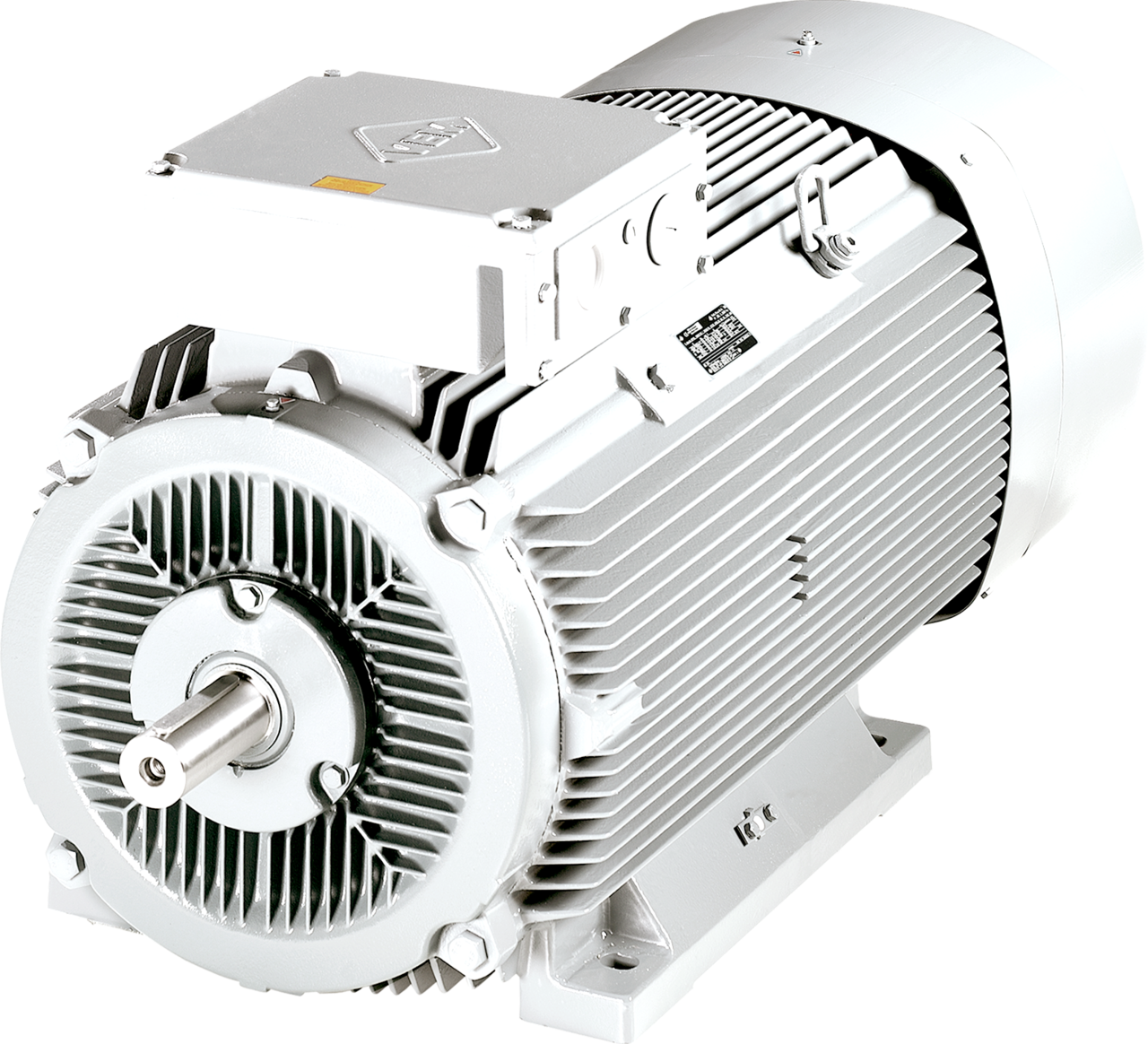
Electric motors are a crucial component of modern technology, converting electrical energy into mechanical energy to power a wide range of devices and machines. The electric generator, which is mechanically identical to an electric motor, operates inversely, converting mechanical energy into electrical energy. The interaction between the motor's magnetic field and electric current in a wire winding generates Laplace force in the form of torque applied on the motor's shaft. This fundamental principle is used in various types of electric motors, including DC motors and AC motors. As technology continues to evolve, electric motors play an increasingly important role in shaping our daily lives. For instance, electric motors are used in electric vehicles, which are becoming increasingly popular due to their environmental benefits.
💡 History of Electric Motors
The history of electric motors dates back to the early 19th century, when Michael Faraday discovered the principle of electromagnetic induction. This discovery led to the development of the first electric motors, which were initially used for industrial applications. Over time, electric motors have become more efficient, compact, and powerful, leading to their widespread adoption in various fields. The Industrial Revolution was a significant turning point in the history of electric motors, as it led to the mass production of electric motors and their use in factories and other industrial settings. Today, electric motors are used in a wide range of applications, from household appliances to industrial automation.
🔍 How Electric Motors Work
So, how do electric motors work? The basic principle of an electric motor is the interaction between the motor's magnetic field and electric current in a wire winding. This interaction generates a force, known as the Laplace force, which causes the motor's shaft to rotate. The direction of the force depends on the direction of the current and the magnetic field, and the magnitude of the force depends on the strength of the current and the magnetic field. Electric motors can be classified into different types, including DC motors, AC motors, and brushless motors. Each type of motor has its own unique characteristics and applications, and the choice of motor depends on the specific requirements of the application. For example, DC motors are often used in electric vehicles, while AC motors are commonly used in industrial automation.
📈 Types of Electric Motors
There are several types of electric motors, each with its own unique characteristics and applications. DC motors are one of the most common types of electric motors, and are widely used in electric vehicles and household appliances. AC motors, on the other hand, are commonly used in industrial automation and power generation. Brushless motors are another type of electric motor, which are known for their high efficiency and reliability. They are widely used in aerospace and medical devices. The choice of motor depends on the specific requirements of the application, including the required power output, speed, and efficiency. For instance, induction motors are often used in pumping systems, while synchronous motors are commonly used in power generation.
🔩 Applications of Electric Motors
Electric motors have a wide range of applications, from household appliances to industrial automation. They are used in electric vehicles, air conditioning systems, and pumping systems. Electric motors are also used in medical devices, such as MRI machines and CT scanners. The use of electric motors in industrial automation has improved efficiency and productivity, and has enabled the development of new technologies such as robotics and 3D printing. Additionally, electric motors are used in renewable energy systems, such as wind turbines and solar panels.
🚀 Electric Motors in Transportation
Electric motors play a crucial role in transportation, particularly in electric vehicles. Electric vehicles use electric motors to propel the vehicle, and are becoming increasingly popular due to their environmental benefits and lower operating costs. Tesla is one of the leading manufacturers of electric vehicles, and has played a significant role in popularizing the use of electric motors in transportation. Electric motors are also used in hybrid vehicles, which combine a conventional engine with an electric motor to improve fuel efficiency. Furthermore, electric motors are used in public transportation, such as electric buses and trains.
💻 Electric Motors in Industrial Automation
Electric motors are widely used in industrial automation, where they are used to power machines and equipment. They are used in manufacturing processes, such as assembly lines and material handling. Electric motors are also used in robotics, where they are used to power robotic arms and other equipment. The use of electric motors in industrial automation has improved efficiency and productivity, and has enabled the development of new technologies such as 3D printing. Additionally, electric motors are used in quality control systems, such as inspection systems and testing equipment.
🔋 Electric Motor Efficiency and Maintenance
Electric motor efficiency and maintenance are critical factors in ensuring the optimal performance of electric motors. Electric motors can be made more efficient by using advanced materials and designs, such as neodymium magnets and copper wire. Regular maintenance is also essential to ensure the longevity of electric motors, and includes tasks such as lubrication and inspection. The use of condition monitoring systems can also help to predict and prevent motor failures, reducing downtime and improving overall efficiency. Furthermore, electric motors can be optimized using motor control systems, which can improve efficiency and reduce energy consumption.
🌎 Environmental Impact of Electric Motors
The environmental impact of electric motors is a significant concern, particularly in terms of energy consumption and waste generation. Electric motors are a major contributor to greenhouse gas emissions, and their use can result in significant energy consumption and waste generation. However, electric motors can also be used to reduce environmental impact, particularly in applications such as renewable energy systems and electric vehicles. The use of electric motors in energy efficient systems can help to reduce energy consumption and greenhouse gas emissions, and can contribute to a more sustainable future. Additionally, electric motors can be designed to be more environmentally friendly, using materials such as recyclable materials and biodegradable materials.
💸 Economic Benefits of Electric Motors
The economic benefits of electric motors are significant, particularly in terms of improved efficiency and productivity. Electric motors can help to reduce energy consumption and operating costs, and can improve the overall efficiency of industrial processes. The use of electric motors in industrial automation has enabled the development of new technologies and industries, and has created new job opportunities and economic growth. Additionally, electric motors can be used to improve the reliability and safety of industrial processes, reducing downtime and improving overall productivity. Furthermore, electric motors can be used to reduce maintenance costs, as they require less maintenance than traditional motors.
🔜 Future of Electric Motors
The future of electric motors is exciting and rapidly evolving, with advances in technology and materials leading to improved efficiency and performance. The development of new technologies such as nanotechnology and artificial intelligence is expected to have a significant impact on the design and operation of electric motors. The use of electric motors in electric vehicles and renewable energy systems is expected to continue to grow, and will play a critical role in reducing greenhouse gas emissions and improving energy efficiency. As the demand for electric motors continues to grow, manufacturers are developing new and innovative products, such as high efficiency motors and smart motors.
Key Facts
- Year
- 1821
- Origin
- London, England
- Category
- Technology
- Type
- Device
Frequently Asked Questions
What is the basic principle of an electric motor?
The basic principle of an electric motor is the interaction between the motor's magnetic field and electric current in a wire winding, which generates a force, known as the Laplace force, that causes the motor's shaft to rotate. This principle is used in various types of electric motors, including DC motors and AC motors. The direction of the force depends on the direction of the current and the magnetic field, and the magnitude of the force depends on the strength of the current and the magnetic field. Electric motors are used in a wide range of applications, from household appliances to industrial automation.
What are the different types of electric motors?
There are several types of electric motors, including DC motors, AC motors, brushless motors, and induction motors. Each type of motor has its own unique characteristics and applications, and the choice of motor depends on the specific requirements of the application. For example, DC motors are often used in electric vehicles, while AC motors are commonly used in industrial automation. Brushless motors are known for their high efficiency and reliability, and are widely used in aerospace and medical devices.
What is the environmental impact of electric motors?
The environmental impact of electric motors is a significant concern, particularly in terms of energy consumption and waste generation. Electric motors are a major contributor to greenhouse gas emissions, and their use can result in significant energy consumption and waste generation. However, electric motors can also be used to reduce environmental impact, particularly in applications such as renewable energy systems and electric vehicles. The use of electric motors in energy efficient systems can help to reduce energy consumption and greenhouse gas emissions, and can contribute to a more sustainable future. Additionally, electric motors can be designed to be more environmentally friendly, using materials such as recyclable materials and biodegradable materials.
What are the economic benefits of electric motors?
The economic benefits of electric motors are significant, particularly in terms of improved efficiency and productivity. Electric motors can help to reduce energy consumption and operating costs, and can improve the overall efficiency of industrial processes. The use of electric motors in industrial automation has enabled the development of new technologies and industries, and has created new job opportunities and economic growth. Additionally, electric motors can be used to improve the reliability and safety of industrial processes, reducing downtime and improving overall productivity. Furthermore, electric motors can be used to reduce maintenance costs, as they require less maintenance than traditional motors.
What is the future of electric motors?
The future of electric motors is exciting and rapidly evolving, with advances in technology and materials leading to improved efficiency and performance. The development of new technologies such as nanotechnology and artificial intelligence is expected to have a significant impact on the design and operation of electric motors. The use of electric motors in electric vehicles and renewable energy systems is expected to continue to grow, and will play a critical role in reducing greenhouse gas emissions and improving energy efficiency. As the demand for electric motors continues to grow, manufacturers are developing new and innovative products, such as high efficiency motors and smart motors.
How do electric motors work in electric vehicles?
Electric motors in electric vehicles use the same basic principle as other electric motors, but are designed to be more efficient and powerful. They are typically brushless motors or induction motors, and are used to propel the vehicle. The motor is powered by a battery, which is charged from an external power source. The use of electric motors in electric vehicles has several advantages, including improved efficiency, reduced emissions, and lower operating costs. Additionally, electric motors can be used to improve the performance and safety of electric vehicles, by providing instant torque and smooth acceleration.
What are the advantages of using electric motors in industrial automation?
The advantages of using electric motors in industrial automation are numerous, including improved efficiency, reduced energy consumption, and increased productivity. Electric motors can be used to power machines and equipment, and can be controlled using advanced motor control systems. The use of electric motors in industrial automation has enabled the development of new technologies and industries, and has created new job opportunities and economic growth. Additionally, electric motors can be used to improve the reliability and safety of industrial processes, reducing downtime and improving overall productivity. Furthermore, electric motors can be used to reduce maintenance costs, as they require less maintenance than traditional motors.