
Contents
- 🌎 Introduction to Ecological Kinetics
- 📊 Mathematical Modeling of Environmental Systems
- 🌟 Energy Flow and Nutrient Cycling
- 🌿 Population Dynamics and Community Ecology
- 🏞️ Landscape Ecology and Ecosystem Management
- 🚨 Environmental Pollution and Toxicology
- 📈 Climate Change and Global Warming
- 🌐 Ecological Restoration and Conservation Biology
- 👥 Human Ecology and Environmental Policy
- 🔬 Emerging Trends in Ecological Kinetics Research
- 📊 Case Studies in Ecological Kinetics
- 🌟 Future Directions in Ecological Kinetics
- Frequently Asked Questions
- Related Topics
Overview
Ecological kinetics is the study of the rates and mechanisms of ecological processes, from photosynthesis to decomposition. This field seeks to quantify and model the complex interactions between organisms and their environment, shedding light on the delicate balance of ecosystems. Researchers like Robert May and Simon Levin have made significant contributions to our understanding of ecological kinetics, using tools like differential equations and network theory to describe the dynamics of populations and communities. With a vibe score of 8, ecological kinetics is a rapidly evolving field, driven by advances in sensor technology, computational power, and data analytics. As we face the challenges of climate change, biodiversity loss, and ecosystem degradation, ecological kinetics provides a critical framework for understanding and managing the intricate web of life on Earth. The influence of ecological kinetics can be seen in fields like conservation biology, ecosystem ecology, and environmental policy, with key entities like the National Science Foundation and the Intergovernmental Science-Policy Platform on Biodiversity and Ecosystem Services (IPBES) playing important roles in shaping the field.
🌎 Introduction to Ecological Kinetics
Ecological kinetics is the study of the dynamics of environmental systems, encompassing the interactions between living organisms and their physical environment. This field of study is crucial for understanding the complex relationships within ecosystems and the impact of human activities on the environment. Ecological systems are complex and dynamic, and environmental science provides a framework for understanding these systems. The study of ecological kinetics is interdisciplinary, drawing on concepts from biology, chemistry, physics, and mathematics. By understanding the dynamics of environmental systems, we can better manage and conserve ecosystems, and mitigate the effects of environmental pollution and climate change.
📊 Mathematical Modeling of Environmental Systems
Mathematical modeling is a key tool in ecological kinetics, allowing researchers to simulate and predict the behavior of environmental systems. Mathematical modeling can be used to study the dynamics of population dynamics, nutrient cycling, and energy flow within ecosystems. By developing and testing mathematical models, researchers can identify key drivers of environmental change and develop strategies for ecosystem management. Systems ecology is a related field that focuses on the study of complex systems and their interactions. Ecological informatics is another field that deals with the development of computational tools and methods for ecological research.
🌟 Energy Flow and Nutrient Cycling
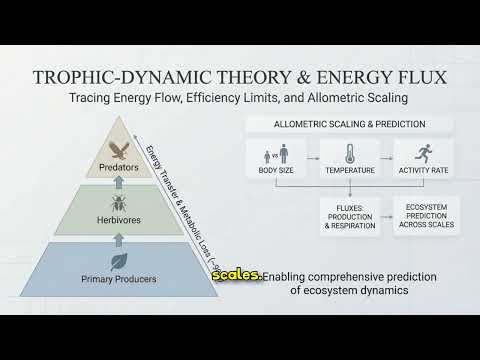
Energy flow and nutrient cycling are critical components of ecological kinetics, as they determine the availability of resources within ecosystems. Energy flow refers to the movement of energy through an ecosystem, from primary producers to consumers and decomposers. Nutrient cycling refers to the movement of nutrients, such as nitrogen and phosphorus, through an ecosystem. Understanding these processes is essential for managing ecosystems and maintaining their health and productivity. Ecosystem services are the benefits that humans derive from functioning ecosystems, and ecosystem health is a critical component of ecological kinetics. Conservation biology is a field that focuses on the preservation and management of threatened and endangered species.
🌿 Population Dynamics and Community Ecology
Population dynamics and community ecology are key areas of study in ecological kinetics, as they determine the structure and function of ecosystems. Population dynamics refers to the study of the growth, decline, and regulation of populations within ecosystems. Community ecology refers to the study of the interactions between different species within an ecosystem. Understanding these processes is essential for managing ecosystems and maintaining their biodiversity. Species interactions are a critical component of ecological kinetics, and food webs are a key area of study. Ecological niche is the role that a species plays within an ecosystem, and competitive exclusion is a key principle in community ecology.
🏞️ Landscape Ecology and Ecosystem Management
Landscape ecology and ecosystem management are critical components of ecological kinetics, as they determine the spatial structure and function of ecosystems. Landscape ecology refers to the study of the spatial patterns and processes that occur within ecosystems. Ecosystem management refers to the practice of managing ecosystems to maintain their health and productivity. Understanding these processes is essential for managing ecosystems and maintaining their biodiversity. Ecosystem services are the benefits that humans derive from functioning ecosystems, and ecosystem health is a critical component of ecological kinetics. Conservation biology is a field that focuses on the preservation and management of threatened and endangered species.
🚨 Environmental Pollution and Toxicology
Environmental pollution and toxicology are critical areas of study in ecological kinetics, as they determine the impact of human activities on ecosystems. Environmental pollution refers to the release of pollutants into the environment, which can have negative impacts on ecosystems. Toxicology is the study of the effects of pollutants on living organisms. Understanding these processes is essential for managing ecosystems and maintaining their health and productivity. Pollution control is a critical component of ecological kinetics, and waste management is a key area of study. Ecological risk assessment is a process used to evaluate the potential risks associated with environmental pollution.
📈 Climate Change and Global Warming
Climate change and global warming are critical areas of study in ecological kinetics, as they determine the impact of human activities on the environment. Climate change refers to the long-term warming of the planet, which can have negative impacts on ecosystems. Global warming is a key component of climate change, and greenhouse effect is a critical process that contributes to climate change. Understanding these processes is essential for managing ecosystems and maintaining their health and productivity. Climate modeling is a key tool used to study the dynamics of climate change, and sustainable development is a critical component of ecological kinetics.
🌐 Ecological Restoration and Conservation Biology
Ecological restoration and conservation biology are critical components of ecological kinetics, as they determine the preservation and management of threatened and endangered species. Ecological restoration refers to the practice of restoring degraded or damaged ecosystems. Conservation biology is a field that focuses on the preservation and management of threatened and endangered species. Understanding these processes is essential for managing ecosystems and maintaining their biodiversity. Species conservation is a critical component of ecological kinetics, and habitat restoration is a key area of study. Ecosystem-based management is a critical component of ecological kinetics, and adaptive management is a key principle.
👥 Human Ecology and Environmental Policy
Human ecology and environmental policy are critical components of ecological kinetics, as they determine the impact of human activities on the environment. Human ecology refers to the study of the relationships between humans and their environment. Environmental policy refers to the development and implementation of policies that manage human impacts on the environment. Understanding these processes is essential for managing ecosystems and maintaining their health and productivity. Sustainable development is a critical component of ecological kinetics, and environmental governance is a key area of study. Ecological economics is a field that focuses on the economic aspects of ecological kinetics.
🔬 Emerging Trends in Ecological Kinetics Research
Emerging trends in ecological kinetics research include the use of new technologies, such as remote sensing and GIS, to study environmental systems. Ecological informatics is a field that deals with the development of computational tools and methods for ecological research. Systems ecology is a related field that focuses on the study of complex systems and their interactions. Understanding these processes is essential for managing ecosystems and maintaining their health and productivity. Ecological modeling is a key tool used to study the dynamics of environmental systems, and scenario planning is a critical component of ecological kinetics.
📊 Case Studies in Ecological Kinetics
Case studies in ecological kinetics include the study of the dynamics of coral reefs, forests, and grasslands. Ecosystem management is a critical component of ecological kinetics, and conservation biology is a field that focuses on the preservation and management of threatened and endangered species. Understanding these processes is essential for managing ecosystems and maintaining their biodiversity. Species interactions are a critical component of ecological kinetics, and food webs are a key area of study. Ecological niche is the role that a species plays within an ecosystem, and competitive exclusion is a key principle in community ecology.
🌟 Future Directions in Ecological Kinetics
Future directions in ecological kinetics include the development of new technologies and methods for studying environmental systems. Ecological informatics is a field that deals with the development of computational tools and methods for ecological research. Systems ecology is a related field that focuses on the study of complex systems and their interactions. Understanding these processes is essential for managing ecosystems and maintaining their health and productivity. Ecological modeling is a key tool used to study the dynamics of environmental systems, and scenario planning is a critical component of ecological kinetics. Sustainable development is a critical component of ecological kinetics, and environmental governance is a key area of study.
Key Facts
- Year
- 1970
- Origin
- The term 'ecological kinetics' was first coined by ecologist Eugene Odum in the 1970s, building on the work of earlier researchers like Alfred Lotka and Vito Volterra.
- Category
- Environmental Science
- Type
- Scientific Concept
Frequently Asked Questions
What is ecological kinetics?
Ecological kinetics is the study of the dynamics of environmental systems, encompassing the interactions between living organisms and their physical environment. This field of study is crucial for understanding the complex relationships within ecosystems and the impact of human activities on the environment. Ecological systems are complex and dynamic, and environmental science provides a framework for understanding these systems. The study of ecological kinetics is interdisciplinary, drawing on concepts from biology, chemistry, physics, and mathematics.
What are the key components of ecological kinetics?
The key components of ecological kinetics include the study of energy flow, nutrient cycling, population dynamics, and community ecology. Understanding these processes is essential for managing ecosystems and maintaining their health and productivity. Ecosystem services are the benefits that humans derive from functioning ecosystems, and ecosystem health is a critical component of ecological kinetics.
What are the applications of ecological kinetics?
The applications of ecological kinetics include the management of ecosystems, the conservation of threatened and endangered species, and the development of sustainable development strategies. Ecosystem management is a critical component of ecological kinetics, and conservation biology is a field that focuses on the preservation and management of threatened and endangered species. Understanding these processes is essential for managing ecosystems and maintaining their biodiversity.
What are the emerging trends in ecological kinetics research?
The emerging trends in ecological kinetics research include the use of new technologies, such as remote sensing and GIS, to study environmental systems. Ecological informatics is a field that deals with the development of computational tools and methods for ecological research. Systems ecology is a related field that focuses on the study of complex systems and their interactions.
What are the future directions in ecological kinetics?
The future directions in ecological kinetics include the development of new technologies and methods for studying environmental systems. Ecological informatics is a field that deals with the development of computational tools and methods for ecological research. Systems ecology is a related field that focuses on the study of complex systems and their interactions. Understanding these processes is essential for managing ecosystems and maintaining their health and productivity.
What is the importance of ecological kinetics in environmental policy?
Ecological kinetics is important in environmental policy because it provides a framework for understanding the complex relationships within ecosystems and the impact of human activities on the environment. Environmental policy refers to the development and implementation of policies that manage human impacts on the environment. Understanding these processes is essential for managing ecosystems and maintaining their health and productivity. Sustainable development is a critical component of ecological kinetics, and environmental governance is a key area of study.
What are the challenges in ecological kinetics research?
The challenges in ecological kinetics research include the complexity of environmental systems, the need for interdisciplinary approaches, and the development of new technologies and methods for studying environmental systems. Ecological informatics is a field that deals with the development of computational tools and methods for ecological research. Systems ecology is a related field that focuses on the study of complex systems and their interactions.