
Contents
- 🔍 Introduction to Cardiac Muscle
- 💪 Structure and Composition of Cardiac Muscle
- 👥 Cardiac Muscle Cells and Intercalated Discs
- 🔗 The Role of the Extracellular Matrix
- 💊 Blood Supply and Coronary Circulation
- 🏋️♀️ Cardiac Muscle Function and Contraction
- 📊 Comparison with Skeletal and Smooth Muscle
- 👨⚕️ Clinical Significance and Cardiac Muscle Disorders
- 🔬 Research and Future Directions in Cardiac Muscle Biology
- 📚 Conclusion and Further Reading
- Frequently Asked Questions
- Related Topics
Overview
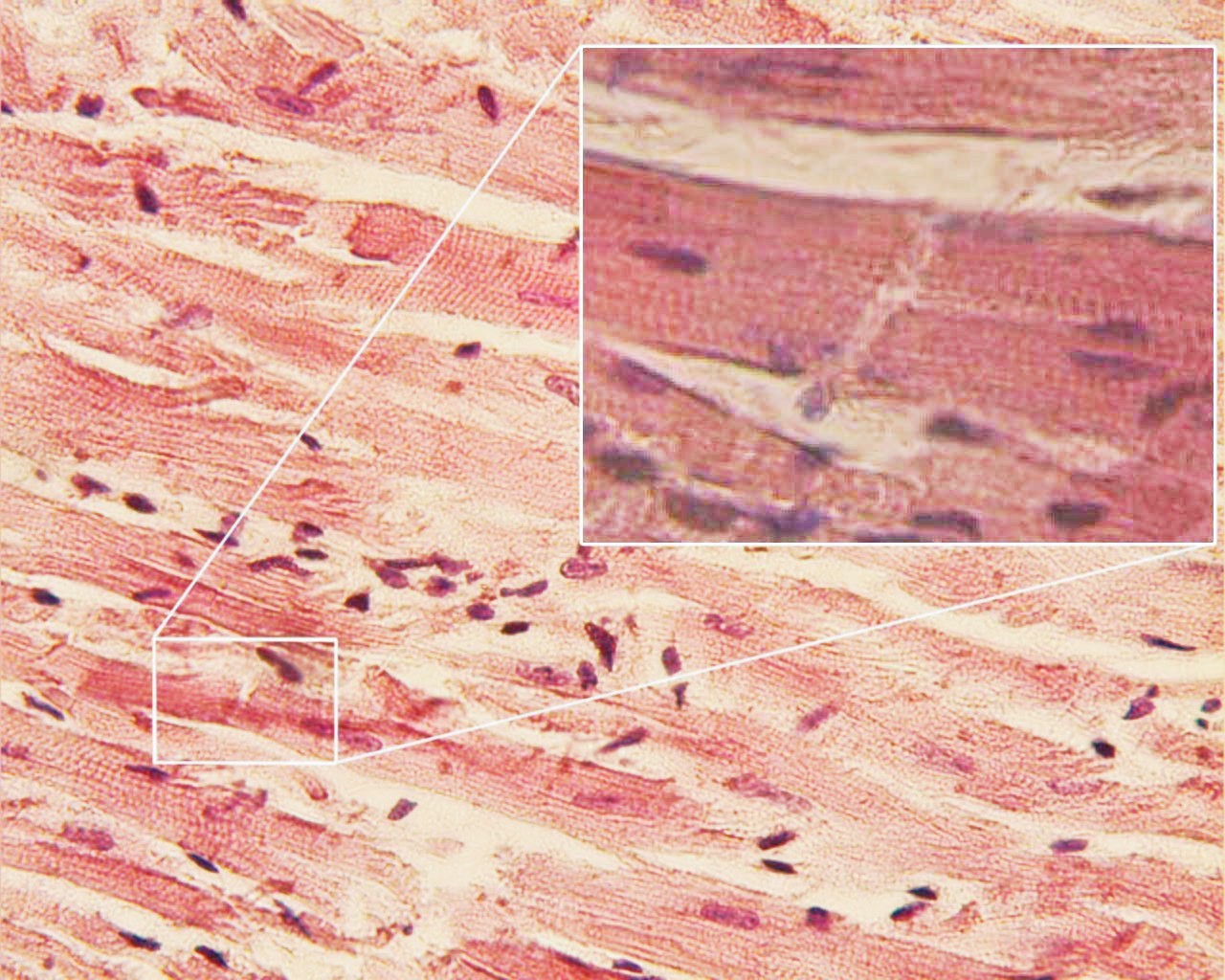
Cardiac muscle, also known as myocardium, is a specialized type of muscle tissue that makes up the heart. It is responsible for pumping blood throughout the body, supplying oxygen and nutrients to tissues and organs. The cardiac muscle is composed of elongated, branching cells called cardiomyocytes, which are connected by intercalated discs. This unique structure allows for the rapid transmission of electrical signals, enabling the heart to beat in a coordinated and efficient manner. Cardiac muscle is also richly supplied with blood vessels, ensuring a constant supply of oxygen and nutrients. With a vibe score of 8, cardiac muscle is a fascinating topic that has garnered significant attention in the scientific community, particularly in the fields of cardiology and cardiovascular research. The study of cardiac muscle has led to a deeper understanding of heart function and has informed the development of treatments for various cardiovascular diseases, with notable contributions from researchers such as Dr. Michael Davis and institutions like the American Heart Association.
🔍 Introduction to Cardiac Muscle
Cardiac muscle is one of three types of vertebrate muscle tissues, the others being skeletal muscle and smooth muscle. It is an involuntary, striated muscle that constitutes the main tissue of the wall of the heart. The cardiac muscle (myocardium) forms a thick middle layer between the outer layer of the heart wall and the inner layer, with blood supplied via the coronary circulation. This unique structure allows for efficient pumping of blood throughout the body. Cardiac muscle is composed of individual cardiac muscle cells joined by intercalated discs, and encased by collagen fibers and other substances that form the extracellular matrix. The study of cardiac muscle is crucial for understanding cardiovascular disease and developing effective treatments.
💪 Structure and Composition of Cardiac Muscle
The structure and composition of cardiac muscle are critical for its function. Cardiac muscle cells, also known as cardiomyocytes, are connected by gap junctions that allow for rapid transmission of electrical signals. The extracellular matrix provides mechanical support and helps to maintain the structure of the cardiac muscle. The cardiac muscle is also richly innervated by the autonomic nervous system, which regulates heart rate and contraction force. The unique structure of cardiac muscle allows it to generate rapid, synchronized contractions that pump blood efficiently throughout the body. For more information on the structure of cardiac muscle, see muscle histology. Cardiac muscle is a type of involuntary muscle, meaning that it is not under conscious control.
👥 Cardiac Muscle Cells and Intercalated Discs
Cardiac muscle cells are connected by intercalated discs, which are complex structures that allow for mechanical and electrical coupling between cells. Intercalated discs contain desmosomes, gap junctions, and fascia adherens, which work together to maintain the integrity of the cardiac muscle. The extracellular matrix also plays a critical role in maintaining the structure and function of cardiac muscle. The extracellular matrix is composed of collagen fibers, proteoglycans, and other substances that provide mechanical support and regulate cell behavior. For more information on the role of the extracellular matrix, see tissue engineering. Cardiac muscle cells are also regulated by a variety of signaling pathways that control contraction, growth, and survival.
🔗 The Role of the Extracellular Matrix
The extracellular matrix plays a critical role in maintaining the structure and function of cardiac muscle. The extracellular matrix provides mechanical support, regulates cell behavior, and helps to maintain the integrity of the cardiac muscle. The extracellular matrix is composed of a variety of substances, including collagen fibers, proteoglycans, and glycoproteins. These substances work together to provide a scaffold for cardiac muscle cells and regulate their behavior. The extracellular matrix is also dynamic, with continuous remodeling and turnover of its components. This remodeling is critical for maintaining the health and function of the cardiac muscle. For more information on the extracellular matrix, see matrix biology. The extracellular matrix is also involved in the regulation of cardiac fibrosis, a condition characterized by excessive deposition of extracellular matrix proteins.
💊 Blood Supply and Coronary Circulation
The coronary circulation plays a critical role in supplying blood to the cardiac muscle. The coronary circulation is a network of blood vessels that arise from the aorta and supply the heart with oxygen and nutrients. The coronary circulation is regulated by a variety of mechanisms, including autoregulation and neurohormonal control. The coronary circulation is also subject to a variety of diseases, including coronary artery disease and cardiac ischemia. These diseases can have significant impacts on the health and function of the cardiac muscle. For more information on the coronary circulation, see cardiovascular physiology. The coronary circulation is also involved in the regulation of cardiac function and blood pressure.
🏋️♀️ Cardiac Muscle Function and Contraction
Cardiac muscle function is critical for maintaining the health and function of the body. Cardiac muscle contraction is regulated by a variety of mechanisms, including electrophysiology and mechanics. The cardiac muscle is capable of generating rapid, synchronized contractions that pump blood efficiently throughout the body. The cardiac muscle is also subject to a variety of diseases, including heart failure and cardiomyopathy. These diseases can have significant impacts on the health and function of the cardiac muscle. For more information on cardiac muscle function, see cardiac physiology. Cardiac muscle is a type of muscle tissue that is specialized for pumping blood throughout the body.
📊 Comparison with Skeletal and Smooth Muscle
Cardiac muscle is one of three types of vertebrate muscle tissues, the others being skeletal muscle and smooth muscle. Each type of muscle tissue has unique characteristics and functions. Skeletal muscle is responsible for voluntary movements, such as walking and running. Smooth muscle is responsible for involuntary movements, such as digestion and blood pressure regulation. Cardiac muscle is responsible for pumping blood throughout the body. For more information on the different types of muscle tissue, see muscle biology. The study of cardiac muscle is crucial for understanding cardiovascular disease and developing effective treatments. Cardiac muscle is a type of striated muscle, meaning that it has a striped appearance under the microscope.
👨⚕️ Clinical Significance and Cardiac Muscle Disorders
Cardiac muscle disorders can have significant impacts on the health and function of the body. Cardiomyopathy is a condition characterized by disease of the cardiac muscle. Heart failure is a condition characterized by the inability of the heart to pump blood efficiently. Cardiac arrhythmia is a condition characterized by abnormal heart rhythms. These conditions can be caused by a variety of factors, including genetics, lifestyle, and environment. For more information on cardiac muscle disorders, see cardiovascular medicine. The study of cardiac muscle is crucial for understanding cardiovascular disease and developing effective treatments. Cardiac muscle is a type of involuntary muscle, meaning that it is not under conscious control.
🔬 Research and Future Directions in Cardiac Muscle Biology
Research on cardiac muscle is ongoing, with a focus on understanding the mechanisms of cardiac muscle function and developing effective treatments for cardiac muscle disorders. Stem cell therapy is a promising area of research, with the potential to repair or replace damaged cardiac muscle cells. Gene therapy is also being explored, with the potential to treat genetic causes of cardiac muscle disorders. For more information on research in cardiac muscle biology, see cardiovascular research. The study of cardiac muscle is crucial for understanding cardiovascular disease and developing effective treatments. Cardiac muscle is a type of muscle tissue that is specialized for pumping blood throughout the body.
📚 Conclusion and Further Reading
In conclusion, cardiac muscle is a critical component of the heart, responsible for pumping blood throughout the body. The study of cardiac muscle is crucial for understanding cardiovascular disease and developing effective treatments. For more information on cardiac muscle, see heart anatomy and cardiovascular physiology. Cardiac muscle is a type of involuntary muscle, meaning that it is not under conscious control. The unique structure and function of cardiac muscle make it an fascinating area of study, with many opportunities for further research and discovery.
Key Facts
- Year
- 2022
- Origin
- Ancient Greece, with early descriptions of the heart and its functions by physicians such as Galen and Erasistratus
- Category
- Human Biology
- Type
- Biological Tissue
Frequently Asked Questions
What is cardiac muscle?
Cardiac muscle is a type of vertebrate muscle tissue that constitutes the main tissue of the wall of the heart. It is an involuntary, striated muscle that is responsible for pumping blood throughout the body. Cardiac muscle is composed of individual cardiac muscle cells joined by intercalated discs, and encased by collagen fibers and other substances that form the extracellular matrix. For more information on cardiac muscle, see cardiac muscle.
What is the function of cardiac muscle?
The function of cardiac muscle is to pump blood throughout the body. Cardiac muscle contraction is regulated by a variety of mechanisms, including electrophysiology and mechanics. The cardiac muscle is capable of generating rapid, synchronized contractions that pump blood efficiently throughout the body. For more information on cardiac muscle function, see cardiac physiology.
What are some common disorders of cardiac muscle?
Some common disorders of cardiac muscle include cardiomyopathy, heart failure, and cardiac arrhythmia. These conditions can be caused by a variety of factors, including genetics, lifestyle, and environment. For more information on cardiac muscle disorders, see cardiovascular medicine.
How is cardiac muscle regulated?
Cardiac muscle is regulated by a variety of mechanisms, including autoregulation, neurohormonal control, and electrophysiology. The cardiac muscle is also subject to a variety of diseases, including coronary artery disease and cardiac ischemia. For more information on the regulation of cardiac muscle, see cardiovascular physiology.
What is the role of the extracellular matrix in cardiac muscle?
The extracellular matrix plays a critical role in maintaining the structure and function of cardiac muscle. The extracellular matrix provides mechanical support, regulates cell behavior, and helps to maintain the integrity of the cardiac muscle. For more information on the extracellular matrix, see matrix biology.