
Contents
- 🏥 Introduction to Cancer Care
- 💡 Understanding Oncology
- 👨⚕️ The Role of an Oncologist
- 🔬 Cancer Diagnosis and Staging
- 💊 Treatment Options for Cancer
- 🤝 Supportive Care and Palliative Care
- 📊 Cancer Statistics and Trends
- 🔍 Current Research and Future Directions
- 💻 Technology in Cancer Care
- 🌎 Global Cancer Care Initiatives
- 📝 Conclusion and Future Prospects
- Frequently Asked Questions
- Related Topics
Overview
Cancer care has undergone a significant transformation over the centuries, from the first recorded cancer treatments in ancient Egypt around 1600 BCE to the modern era of immunotherapies and targeted therapies. The historian's lens reveals a narrative of gradual progress, marked by the introduction of surgery, radiation, and chemotherapy. However, the skeptic's perspective highlights the ongoing challenges, including the high cost of treatments, limited access to care in many parts of the world, and the often-devastating side effects of therapies. The fan's emotional resonance is palpable in the stories of survivors and the tireless efforts of researchers, clinicians, and advocates working towards a cancer-free future. The engineer's inquiry into how cancer care works reveals a complex interplay of biomedical, psychological, and social factors. As the futurist looks ahead, the prospect of personalized medicine, artificial intelligence, and global collaborations holds promise for improving outcomes, but also raises questions about equity, affordability, and the role of technology in shaping the future of cancer care. With a vibe score of 8, indicating a high level of cultural energy and public engagement, cancer care remains a deeply contested and multifaceted topic, with 18.1 million new cases and 9.6 million cancer-related deaths worldwide in 2018 alone, according to the International Agency for Research on Cancer (IARC). The influence flows from key figures like Dr. James Allison, who pioneered immune checkpoint therapy, to organizations such as the American Cancer Society, which has invested over $4.8 billion in cancer research since 1946. The topic intelligence is marked by key events, including the passage of the National Cancer Act in 1971, which launched the US War on Cancer, and the development of therapies like trastuzumab for HER2-positive breast cancer. Entity relationships span the globe, connecting patients, families, healthcare providers, researchers, and policymakers in a shared quest to combat cancer. As we move forward, the question remains: what will it take to create a world where cancer is no longer a death sentence, but a manageable chronic condition?
🏥 Introduction to Cancer Care
Cancer care is a complex and multifaceted field that involves the study, diagnosis, treatment, and prevention of cancer. As a branch of medicine, Oncology deals with the various aspects of cancer, from its causes and symptoms to its treatment and management. A medical professional who practices oncology is called an Oncologist, and their role is crucial in providing comprehensive care to cancer patients. According to the World Health Organization, cancer is one of the leading causes of death worldwide, with millions of new cases diagnosed every year. The American Cancer Society estimates that the number of cancer cases will continue to rise in the coming years, making cancer care a pressing concern for healthcare systems around the world.
💡 Understanding Oncology
Oncology is a rapidly evolving field, with new discoveries and advancements being made regularly. The National Cancer Institute plays a significant role in funding and conducting research in oncology, with a focus on understanding the biology of cancer and developing effective treatments. Cancer research is a critical component of oncology, as it helps to identify new targets for therapy and improve existing treatments. For example, Immunotherapy has emerged as a promising approach to cancer treatment, with several FDA-approved drugs now available for various types of cancer.
👨⚕️ The Role of an Oncologist
The role of an oncologist is to provide comprehensive care to cancer patients, from diagnosis to treatment and follow-up. An oncologist may specialize in a particular type of cancer, such as Breast Cancer or Lung Cancer, or may provide general oncology care. In addition to their medical expertise, oncologists must also have strong communication skills, as they work closely with patients and their families to develop personalized treatment plans. The American Society of Clinical Oncology provides guidance and resources for oncologists, including Clinical Guidelines and Education and Training programs.
🔬 Cancer Diagnosis and Staging
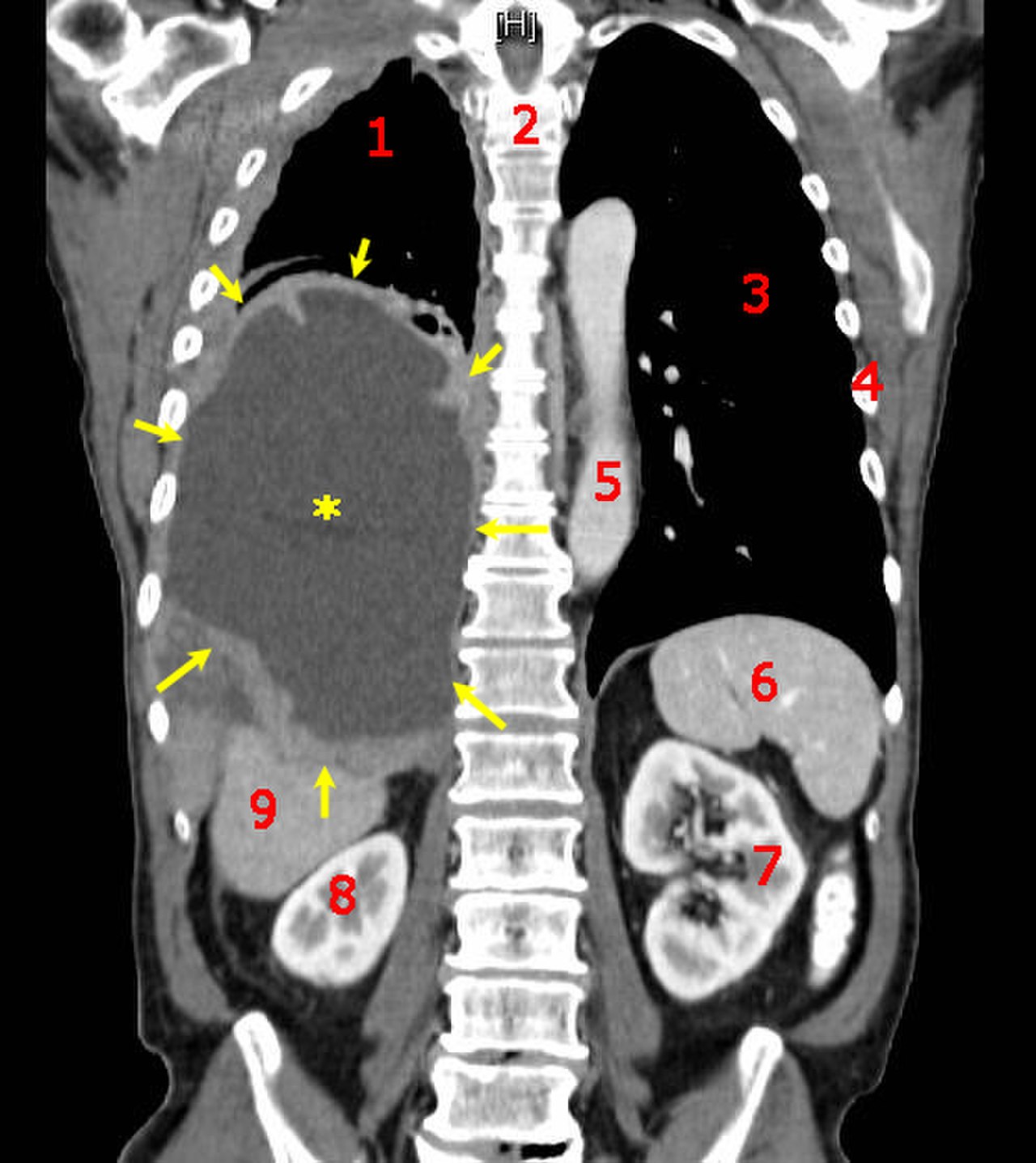
Cancer diagnosis and staging are critical components of cancer care, as they help to determine the best course of treatment for each patient. Cancer Screening tests, such as mammograms and colonoscopies, can help to detect cancer at an early stage, when it is more treatable. Once cancer is diagnosed, Imaging Tests such as CT scans and MRI scans may be used to determine the extent of the disease. The Tumor Nursing Society provides support and resources for nurses who care for cancer patients, including Cancer Nursing Education and Cancer Nursing Research initiatives.
💊 Treatment Options for Cancer
Treatment options for cancer vary depending on the type and stage of the disease, as well as the patient's overall health. Surgery may be used to remove tumors, while Chemotherapy and Radiation Therapy may be used to kill cancer cells. In recent years, Targeted Therapy and Immunotherapy have emerged as promising approaches to cancer treatment, with several FDA-approved drugs now available. The National Comprehensive Cancer Network provides guidance on cancer treatment, including Clinical Guidelines and Treatment Planning tools.
🤝 Supportive Care and Palliative Care
Supportive care and palliative care are essential components of cancer care, as they help to improve the quality of life for cancer patients. Pain Management and Symptom Management are critical aspects of supportive care, as they help to alleviate the physical and emotional symptoms of cancer. Palliative Care focuses on providing relief from the symptoms and stress of a serious illness, with a goal of improving the patient's quality of life. The Hospice and Palliative Care organization provides resources and support for patients and families, including Hospice Care and Palliative Care Education initiatives.
📊 Cancer Statistics and Trends
Cancer statistics and trends are critical in understanding the burden of cancer and developing effective strategies for prevention and treatment. According to the Centers for Disease Control and Prevention, cancer is one of the leading causes of death worldwide, with millions of new cases diagnosed every year. The International Agency for Research on Cancer provides guidance on cancer prevention, including Cancer Prevention and Cancer Control initiatives. The World Cancer Research Fund supports research into the causes of cancer and how to prevent it, with a focus on Diet and Cancer and Physical Activity and Cancer.
🔍 Current Research and Future Directions
Current research and future directions in cancer care are focused on developing more effective treatments and improving patient outcomes. Precision Medicine and Personalized Medicine are emerging approaches to cancer treatment, with a focus on tailoring treatment to the individual patient's needs. The Cancer Genome Atlas is a comprehensive resource for cancer genomics, providing insights into the genetic basis of cancer. The National Cancer Institute Cancer Genome Atlas Research Network supports research into the genetic basis of cancer, with a focus on Cancer Genomics and Cancer Epigenomics.
💻 Technology in Cancer Care
Technology is playing an increasingly important role in cancer care, from Telemedicine and Remote Monitoring to Artificial Intelligence and Machine Learning. The Health Information Technology industry is developing innovative solutions to support cancer care, including Electronic Health Records and Clinical Decision Support Systems. The American Medical Informatics Association provides guidance and resources for healthcare professionals, including Health IT Education and Health IT Research initiatives.
🌎 Global Cancer Care Initiatives
Global cancer care initiatives are critical in addressing the burden of cancer worldwide. The World Health Organization Cancer program provides guidance and support for cancer control, including Cancer Prevention and Cancer Treatment initiatives. The Union for International Cancer Control supports cancer control efforts around the world, with a focus on Cancer Advocacy and Cancer Education. The International Cancer Research Partnership supports collaborative research into cancer, with a focus on Cancer Research and Cancer Treatment.
📝 Conclusion and Future Prospects
In conclusion, cancer care is a complex and multifaceted field that requires a comprehensive approach to diagnosis, treatment, and prevention. As research and technology continue to evolve, there is hope for improved patient outcomes and a better understanding of the biology of cancer. However, there are also challenges to be addressed, including Cancer Disparities and Cancer Health Equity. The Cancer Community must work together to address these challenges and develop effective strategies for cancer prevention and treatment.
Key Facts
- Year
- 2023
- Origin
- Ancient Civilizations, with modern advancements in the 20th century
- Category
- Health and Medicine
- Type
- Medical Concept
Frequently Asked Questions
What is oncology?
Oncology is a branch of medicine that deals with the study, diagnosis, treatment, and prevention of cancer. A medical professional who practices oncology is called an oncologist. Oncology is a rapidly evolving field, with new discoveries and advancements being made regularly. The National Cancer Institute plays a significant role in funding and conducting research in oncology, with a focus on understanding the biology of cancer and developing effective treatments.
What are the different types of cancer treatment?
There are several types of cancer treatment, including surgery, chemotherapy, radiation therapy, targeted therapy, and immunotherapy. The type of treatment used depends on the type and stage of the disease, as well as the patient's overall health. Treatment options may be used alone or in combination, and may be tailored to the individual patient's needs. The National Comprehensive Cancer Network provides guidance on cancer treatment, including clinical guidelines and treatment planning tools.
What is supportive care in cancer?
Supportive care in cancer refers to the care provided to patients to alleviate the physical and emotional symptoms of cancer. This may include pain management, symptom management, and palliative care. Supportive care is an essential component of cancer care, as it helps to improve the quality of life for cancer patients. The Hospice and Palliative Care organization provides resources and support for patients and families, including hospice care and palliative care education initiatives.
What are the current trends in cancer research?
Current trends in cancer research include a focus on precision medicine and personalized medicine, as well as the development of new treatments such as immunotherapy and targeted therapy. The Cancer Genome Atlas is a comprehensive resource for cancer genomics, providing insights into the genetic basis of cancer. The National Cancer Institute Cancer Genome Atlas Research Network supports research into the genetic basis of cancer, with a focus on cancer genomics and cancer epigenomics.
What is the role of technology in cancer care?
Technology is playing an increasingly important role in cancer care, from telemedicine and remote monitoring to artificial intelligence and machine learning. The Health Information Technology industry is developing innovative solutions to support cancer care, including electronic health records and clinical decision support systems. The American Medical Informatics Association provides guidance and resources for healthcare professionals, including health IT education and health IT research initiatives.
What are the global cancer care initiatives?
Global cancer care initiatives include the World Health Organization Cancer program, the Union for International Cancer Control, and the International Cancer Research Partnership. These initiatives provide guidance and support for cancer control, including cancer prevention and cancer treatment. The cancer community must work together to address the challenges of cancer and develop effective strategies for cancer prevention and treatment.
What is the importance of cancer awareness and education?
Cancer awareness and education are critical in reducing the burden of cancer worldwide. Education and awareness can help to promote cancer prevention, early detection, and treatment. The American Cancer Society and the National Cancer Institute provide resources and support for cancer education and awareness, including cancer screening and cancer prevention initiatives.