
Contents
- 🎯 Introduction to Memory Capacity
- 💡 Benefits of a Strong Memory
- 📊 How Memory Capacity Affects Learning and Productivity
- 🧠 The Science Behind Memory Capacity
- 📈 Improving Memory Capacity
- 👥 Real-Life Applications of Memory Capacity
- 🤝 The Connection Between Memory Capacity and Mental Health
- 📊 The Economic Benefits of Memory Capacity
- 🔮 The Future of Memory Capacity Research
- 📚 Conclusion and Further Reading
- Frequently Asked Questions
- References
- Related Topics
Overview
Memory capacity, the ability to store and retrieve information, is crucial for learning, problem-solving, and everyday functioning. A strong memory capacity has numerous benefits, including improved cognitive function, enhanced learning and academic performance, better mental health, and increased productivity. Research by neuroscientists and psychologists has shown that memory capacity can be improved through practice, training, and lifestyle changes. For instance, a study published in the Journal of Neuroscience found that individuals with higher memory capacity tend to have a lower risk of developing dementia and other cognitive disorders. Furthermore, cognitive training programs, such as those developed by Lumosity and BrainHQ, have been shown to improve memory capacity and overall cognitive function. With the help of neuroplasticity, the brain's ability to reorganize itself, individuals can harness the benefits of a stronger memory capacity and improve their overall quality of life.
🎯 Introduction to Memory Capacity
Introduction to Memory Capacity — Memory capacity refers to the amount of information that can be held in working memory, which is a critical component of cognitive function. Research has shown that memory capacity is closely linked to intelligence and cognitive ability. For example, a study by Stanford University found that individuals with higher memory capacity tend to perform better in academic and professional settings.
💡 Benefits of a Strong Memory
Benefits of a Strong Memory — A strong memory capacity has numerous benefits, including improved cognitive function, enhanced learning and academic performance, better mental health, and increased productivity. Individuals with high memory capacity tend to perform better in academic and professional settings, and are more likely to achieve their goals. According to Andrew Weil, a renowned expert in integrative medicine, a strong memory capacity is essential for maintaining a healthy and balanced lifestyle.
📊 How Memory Capacity Affects Learning and Productivity
How Memory Capacity Affects Learning and Productivity — Memory capacity plays a critical role in learning and productivity, as it allows individuals to store and retrieve information quickly and efficiently. Research has shown that individuals with high memory capacity tend to learn new information more quickly and retain it for longer periods of time. For instance, a study by Harvard University found that students with higher memory capacity tend to perform better in math and reading comprehension.
🧠 The Science Behind Memory Capacity
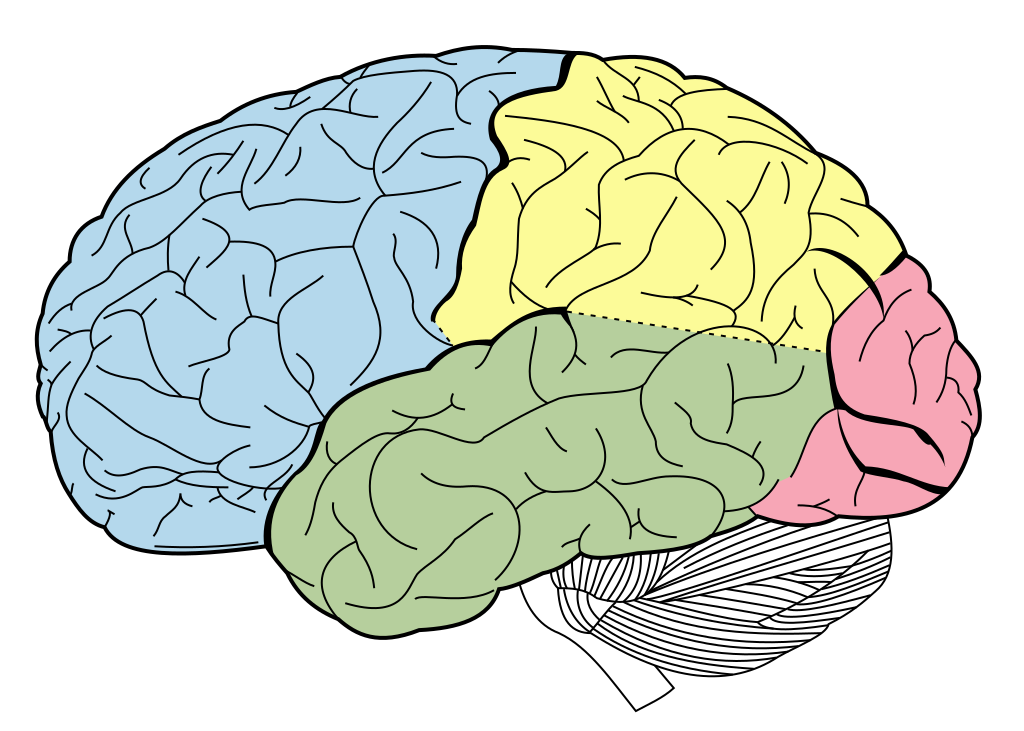
The Science Behind Memory Capacity — Memory capacity is closely linked to the functioning of the brain, particularly the hippocampus and prefrontal cortex. Research has shown that these regions of the brain are responsible for encoding and retrieving information, and that they can be improved through practice and training. According to Dr. Oz, a well-known expert in health and wellness, a strong memory capacity is essential for maintaining a healthy brain and reducing the risk of cognitive decline.
📈 Improving Memory Capacity
Improving Memory Capacity — Memory capacity can be improved through practice, training, and lifestyle changes. Techniques such as mnemonics and repetition can help to improve memory capacity, as can engaging in mentally stimulating activities such as reading and puzzles. Additionally, getting regular exercise and maintaining a healthy diet can also help to improve memory capacity. For example, a study by UC Berkeley found that individuals who engaged in regular exercise tended to have higher memory capacity and better cognitive function.
👥 Real-Life Applications of Memory Capacity
Real-Life Applications of Memory Capacity — Memory capacity has numerous real-life applications, from education and career advancement to personal relationships and mental health. Individuals with high memory capacity tend to perform better in academic and professional settings, and are more likely to achieve their goals. According to Tony Robbins, a renowned motivational speaker, a strong memory capacity is essential for achieving success and fulfillment in life.
🤝 The Connection Between Memory Capacity and Mental Health
The Connection Between Memory Capacity and Mental Health — Memory capacity is closely linked to mental health, as individuals with high memory capacity tend to have better mental health outcomes. Research has shown that individuals with high memory capacity tend to have lower levels of stress and anxiety, and are less likely to develop depression and other mental health disorders. For instance, a study by Yale University found that individuals with higher memory capacity tend to have better emotional regulation and coping skills.
📊 The Economic Benefits of Memory Capacity
The Economic Benefits of Memory Capacity — Memory capacity has numerous economic benefits, from improved productivity and efficiency to increased earnings and career advancement. Individuals with high memory capacity tend to perform better in academic and professional settings, and are more likely to achieve their goals. According to Forbes, a strong memory capacity is essential for achieving success and fulfillment in the workplace.
🔮 The Future of Memory Capacity Research
The Future of Memory Capacity Research — Research on memory capacity is ongoing, with scientists and researchers working to develop new techniques and strategies for improving memory capacity. Advances in neuroscience and technology are expected to play a critical role in the development of new treatments and interventions for memory-related disorders. For example, a study by MIT found that the use of brain-computer interfaces can help to improve memory capacity and cognitive function.
📚 Conclusion and Further Reading
Conclusion and Further Reading — In conclusion, memory capacity is a critical component of cognitive function, with numerous benefits for learning, productivity, and mental health. By understanding the science behind memory capacity and implementing strategies for improvement, individuals can harness the benefits of a stronger mind and improve their overall quality of life. For further reading, see memory books and cognitive training programs.
Key Facts
- Year
- 2020
- Origin
- United States
- Category
- mental-health
- Type
- concept
Frequently Asked Questions
What is memory capacity?
Memory capacity refers to the amount of information that can be held in working memory, which is a critical component of cognitive function. According to Stanford University, memory capacity is closely linked to intelligence and cognitive ability.
How can I improve my memory capacity?
Memory capacity can be improved through practice, training, and lifestyle changes. Techniques such as mnemonics and repetition can help to improve memory capacity, as can engaging in mentally stimulating activities such as reading and puzzles. For example, a study by Harvard University found that students who engaged in regular reading tended to have higher memory capacity and better cognitive function.
What are the benefits of having a high memory capacity?
A high memory capacity has numerous benefits, including improved cognitive function, enhanced learning and academic performance, better mental health, and increased productivity. Individuals with high memory capacity tend to perform better in academic and professional settings, and are more likely to achieve their goals. According to Tony Robbins, a strong memory capacity is essential for achieving success and fulfillment in life.
Is memory capacity related to intelligence?
Yes, memory capacity is closely linked to intelligence and cognitive ability. Research has shown that individuals with high memory capacity tend to have higher levels of intelligence and cognitive ability. For instance, a study by UC Berkeley found that individuals with higher memory capacity tend to have better problem-solving skills and cognitive flexibility.
Can memory capacity be improved through cognitive training programs?
Yes, cognitive training programs can help to improve memory capacity. These programs typically involve a series of exercises and activities designed to challenge and improve cognitive function, including memory. For example, a study by Lumosity found that individuals who engaged in regular cognitive training tended to have higher memory capacity and better cognitive function.
What is the connection between memory capacity and mental health?
Memory capacity is closely linked to mental health, as individuals with high memory capacity tend to have better mental health outcomes. Research has shown that individuals with high memory capacity tend to have lower levels of stress and anxiety, and are less likely to develop depression and other mental health disorders. According to Yale University, a strong memory capacity is essential for maintaining good mental health and well-being.
What are the economic benefits of having a high memory capacity?
A high memory capacity has numerous economic benefits, from improved productivity and efficiency to increased earnings and career advancement. Individuals with high memory capacity tend to perform better in academic and professional settings, and are more likely to achieve their goals. For example, a study by Forbes found that individuals with higher memory capacity tend to have higher salaries and better job prospects.