
Contents
- 🍴 Introduction to Beef Bourguignon
- 🍲 History of the Dish
- 👨🍳 Preparation and Ingredients
- 🍸 Wine Pairing and Selection
- 🌎 Global Variations and Influences
- 👥 Cultural Significance and Symbolism
- 📚 Literary and Cinematic References
- 🍴 Cooking Techniques and Tips
- 🤝 Regional French Cuisine
- 🌟 Modern Twists and Innovations
- 👨🍳 Chef Profiles and Recommendations
- 📊 Nutrition and Health Benefits
- Frequently Asked Questions
- Related Topics
Overview
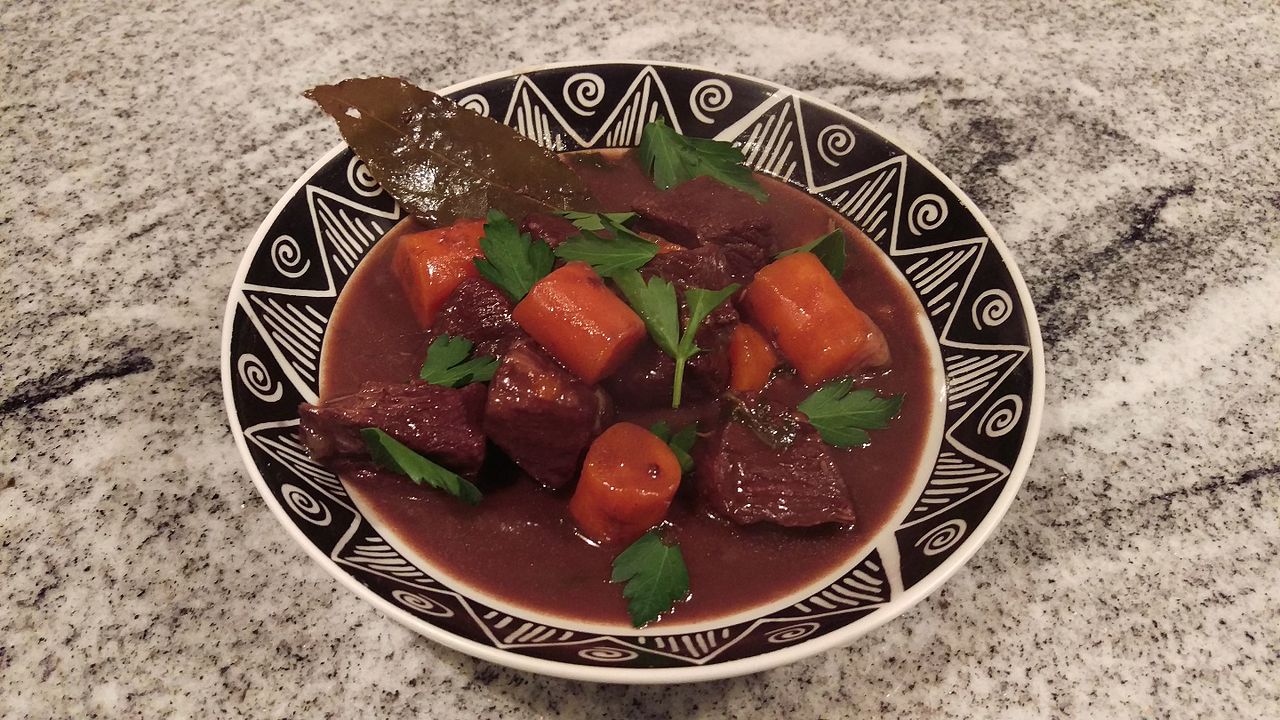
Beef bourguignon, a dish originating from the Burgundy region of France, has been a staple of French cuisine since the Middle Ages. This hearty stew, made with braised beef, mushrooms, onions, and bacon, is cooked in red wine, resulting in a rich, flavorful broth. With a vibe score of 8, beef bourguignon is a beloved dish around the world, evoking feelings of warmth and comfort. The dish has been popularized by famous chefs such as Julia Child and Anthony Bourdain, and its influence can be seen in many modern recipes. Despite its widespread appeal, beef bourguignon remains a topic of debate among culinary experts, with some arguing that its authenticity has been lost in translation. As the dish continues to evolve, it will be interesting to see how it adapts to changing culinary trends and preferences, with potential innovations including the use of alternative proteins and sustainable ingredients.
🍴 Introduction to Beef Bourguignon
Beef bourguignon, also known as bœuf bourguignon, is a quintessential French dish that has been a staple of French cuisine for centuries. This hearty stew is made with French cuisine's finest ingredients, including tender beef, fresh vegetables, and a rich red wine broth. The dish is often served with boeuf bourguignon recipe variations, which can include additional ingredients such as pearl onions and mushrooms. To fully appreciate the complexity of beef bourguignon, it's essential to understand the history of French cuisine and its influence on the development of this iconic dish.
🍲 History of the Dish
The history of beef bourguignon dates back to the Middle Ages, when it was cooked in a cauldron over an open fire. The dish was originally made with tougher cuts of beef, which were slow-cooked in a broth made with red wine and beef stock. Over time, the recipe evolved to include a variety of aromatics, such as onions, garlic, and carrots. Today, beef bourguignon remains a beloved dish in France and around the world, with many French chefs putting their own unique spin on the classic recipe. For a deeper understanding of the dish's history, explore the French culinary history and its impact on modern cuisine.
👨🍳 Preparation and Ingredients
Preparing beef bourguignon requires a combination of skill and patience, as the dish must be cooked slowly over low heat to achieve the desired tenderness and flavor. The ingredients used in beef bourguignon are typically locally sourced and of high quality, including grass-fed beef and fresh vegetables. The dish is often flavored with a bouquet garni, which is a bundle of herbs tied together with string and simmered in the broth. To learn more about the art of French cooking, visit the French cooking techniques page and discover the secrets of haute cuisine.
🍸 Wine Pairing and Selection
Wine pairing is an essential aspect of enjoying beef bourguignon, as the right wine can enhance the flavors of the dish and create a truly unforgettable dining experience. The most traditional wine pairing for beef bourguignon is a red Burgundy, which is made from Pinot Noir grapes and has a light, elegant flavor. Other wine options, such as Côtes du Rhône and Bordeaux, can also be paired with beef bourguignon, depending on personal preference. For more information on wine pairing, consult the wine pairing guide and explore the world of French wine.
🌎 Global Variations and Influences
Beef bourguignon has become a global phenomenon, with variations of the dish appearing on menus in restaurants around the world. In the United States, beef bourguignon is often served in French restaurants, where it is typically made with a richer, more full-bodied broth. In Asia, beef bourguignon has been adapted to include local ingredients, such as soy sauce and ginger. To discover more about the global influence of French cuisine, visit the global cuisine page and explore the French cuisine around the world.
👥 Cultural Significance and Symbolism
Beef bourguignon holds a special place in French culture, where it is often served at family gatherings and special occasions. The dish is also a symbol of French cuisine, representing the country's rich culinary heritage and its emphasis on using high-quality, locally sourced ingredients. In literature and film, beef bourguignon has been featured in numerous works, including the classic novel Julie and Julia. For a deeper understanding of the cultural significance of beef bourguignon, explore the French culture page and discover the history of French cuisine.
📚 Literary and Cinematic References
Beef bourguignon has been referenced in numerous literary and cinematic works, including the classic novel Julie and Julia and the film Ratatouille. In these works, the dish is often portrayed as a symbol of French cuisine and culture, and its preparation is typically depicted as a labor of love. To learn more about the cultural impact of beef bourguignon, visit the French cinema page and explore the French literature section.
🍴 Cooking Techniques and Tips
Cooking beef bourguignon requires a combination of skill and patience, as the dish must be cooked slowly over low heat to achieve the desired tenderness and flavor. The key to making a great beef bourguignon is to use high-quality ingredients, including tender beef and fresh vegetables, and to cook the dish slowly and carefully. For more cooking tips and techniques, visit the cooking techniques page and explore the French cooking methods section.
🤝 Regional French Cuisine
Beef bourguignon is a quintessential dish of regional French cuisine, particularly in the Bourgogne region, where it originated. The dish is often served in French bistros and restaurants throughout the region, where it is typically made with local ingredients and cooked in a traditional manner. To discover more about regional French cuisine, visit the French regions page and explore the Bourgogne region.
🌟 Modern Twists and Innovations
In recent years, beef bourguignon has undergone a number of modern twists and innovations, including the use of new ingredients and cooking techniques. Some French chefs have experimented with adding non-traditional ingredients, such as truffles and foie gras, to the dish, while others have developed new cooking methods, such as sous vide. For more information on modern French cuisine, visit the modern French cuisine page and explore the French food trends section.
👨🍳 Chef Profiles and Recommendations
Many famous French chefs have put their own unique spin on the classic beef bourguignon recipe, including Jacques Pépin and Julia Child. These chefs have helped to popularize the dish and introduce it to new audiences around the world. To learn more about French chefs and their recipes, visit the French chefs page and explore the French recipes section.
📊 Nutrition and Health Benefits
Beef bourguignon is a nutritious and flavorful dish that can be enjoyed as part of a healthy diet. The dish is high in protein and fiber, and it is also a good source of essential vitamins and minerals, including iron and zinc. For more information on the nutritional benefits of beef bourguignon, visit the nutrition page and explore the healthy eating section.
Key Facts
- Year
- 1900
- Origin
- Burgundy, France
- Category
- Cuisine
- Type
- Dish
Frequently Asked Questions
What is the origin of beef bourguignon?
Beef bourguignon originated in the Bourgogne region of France, where it has been a staple of the local cuisine for centuries. The dish is made with tender beef, fresh vegetables, and a rich red wine broth, and it is often served with a variety of side dishes, including mashed potatoes and steamed vegetables. For more information on the history of beef bourguignon, visit the history of French cuisine page and explore the French culinary history section.
What are the key ingredients in beef bourguignon?
The key ingredients in beef bourguignon include tender beef, fresh vegetables, such as onions, carrots, and mushrooms, and a rich red wine broth. The dish is often flavored with a bouquet garni, which is a bundle of herbs tied together with string and simmered in the broth. For more information on the ingredients used in beef bourguignon, visit the ingredients page and explore the French ingredients section.
How do I cook beef bourguignon?
Cooking beef bourguignon requires a combination of skill and patience, as the dish must be cooked slowly over low heat to achieve the desired tenderness and flavor. The key to making a great beef bourguignon is to use high-quality ingredients and to cook the dish slowly and carefully. For more cooking tips and techniques, visit the cooking techniques page and explore the French cooking methods section.
What are some variations of beef bourguignon?
There are many variations of beef bourguignon, including versions made with different types of meat, such as lamb and pork, and versions made with non-traditional ingredients, such as truffles and foie gras. For more information on variations of beef bourguignon, visit the beef recipes page and explore the French recipes section.
What is the nutritional value of beef bourguignon?
Beef bourguignon is a nutritious and flavorful dish that can be enjoyed as part of a healthy diet. The dish is high in protein and fiber, and it is also a good source of essential vitamins and minerals, including iron and zinc. For more information on the nutritional benefits of beef bourguignon, visit the nutrition page and explore the healthy eating section.
Can I make beef bourguignon in a slow cooker?
Yes, you can make beef bourguignon in a slow cooker. In fact, a slow cooker is a great way to cook beef bourguignon, as it allows the dish to cook slowly and evenly over a long period of time. For more information on cooking beef bourguignon in a slow cooker, visit the slow cooker recipes page and explore the French slow cooker recipes section.
What are some common mistakes to avoid when making beef bourguignon?
Some common mistakes to avoid when making beef bourguignon include using low-quality ingredients, overcooking the dish, and not cooking the dish slowly and carefully. For more information on common mistakes to avoid when making beef bourguignon, visit the cooking mistakes page and explore the French cooking mistakes section.