
Contents
- 🌾 Introduction to Agricultural Innovation
- 🚀 The Rise of Precision Agriculture
- 🌱 Vertical Farming: The Future of Crop Production
- 🤖 Artificial Intelligence in Farming
- 📊 Big Data and Analytics in Agriculture
- 🌿 Sustainable Agriculture: The Role of Innovation
- 🌻 Genetically Modified Crops: A Controversial Topic
- 🌟 The Impact of Agricultural Innovation on Food Security
- 🌎 Global Agricultural Innovation: Trends and Opportunities
- 📈 Investing in Agricultural Innovation: A Growing Market
- 👥 Collaboration and Knowledge Sharing in Agricultural Innovation
- Frequently Asked Questions
- Related Topics
Overview
Agricultural innovation is transforming the way we produce food, with advancements in precision agriculture, vertical farming, and biotechnology. Companies like John Deere and Granular are developing AI-powered farming tools, while startups like Plenty and Bowery are pioneering indoor agriculture. According to a report by ResearchAndMarkets.com, the global precision agriculture market is expected to reach $43.4 billion by 2025, growing at a CAGR of 12.1%. However, critics argue that these innovations may exacerbate existing issues like soil degradation and water pollution. As the global population is projected to reach 9.7 billion by 2050, agricultural innovation will play a crucial role in ensuring food security. The controversy surrounding genetically modified organisms (GMOs) and the impact of agricultural innovation on small-scale farmers are just a few of the tensions surrounding this topic.
🌾 Introduction to Agricultural Innovation
Agricultural innovation is revolutionizing the way we produce food, with the use of technology and data-driven approaches becoming increasingly prevalent. The agricultural technology sector is expected to grow significantly in the coming years, with investments in precision agriculture and vertical farming on the rise. As the global population continues to grow, the need for sustainable and efficient agricultural practices has never been more pressing. Sustainable agriculture is a key area of focus, with many companies and organizations working to develop innovative solutions to reduce the environmental impact of farming. The use of renewable energy and biotechnology are also becoming increasingly important in the pursuit of sustainable agriculture.
🚀 The Rise of Precision Agriculture
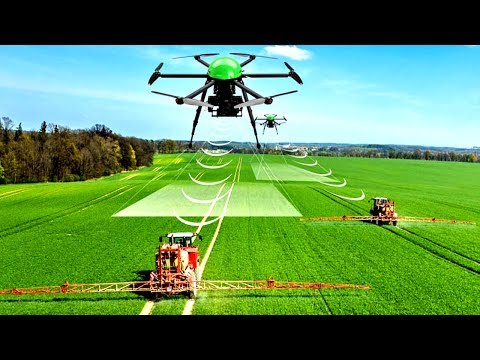
Precision agriculture is a key area of innovation in the agricultural sector, with the use of GPS technology and drones becoming increasingly common. These technologies allow farmers to collect detailed data on their crops and soil, enabling them to make more informed decisions about planting, irrigation, and harvesting. The use of artificial intelligence and machine learning is also becoming more prevalent, with many companies developing AI-powered systems to analyze data and provide insights to farmers. Precision farming is a term often used to describe this approach, which involves using advanced technology to optimize crop yields and reduce waste. Companies like John Deere and Granular are leading the way in this field, with their innovative solutions and products.
🌱 Vertical Farming: The Future of Crop Production
Vertical farming is another area of innovation in the agricultural sector, with many companies and organizations working to develop indoor farming systems. These systems use LED lighting and hydroponics to grow crops in vertically stacked layers, often in urban areas. The benefits of vertical farming include increased crop yields, reduced water usage, and a decreased carbon footprint. Companies like Aerofarms and Plenty are leading the way in this field, with their innovative approaches to indoor farming. Urban agriculture is also becoming increasingly popular, with many cities around the world investing in initiatives to promote local food production and reduce food waste.
🤖 Artificial Intelligence in Farming
Artificial intelligence is being used in a variety of ways in the agricultural sector, from crop monitoring to livestock management. AI-powered systems can analyze data from sensors and other sources to provide insights to farmers, enabling them to make more informed decisions about their crops and livestock. The use of computer vision and machine learning is also becoming more prevalent, with many companies developing AI-powered systems to detect diseases and pests in crops. Agricultural robotics is another area of innovation, with many companies developing robots to automate tasks such as planting, pruning, and harvesting.
📊 Big Data and Analytics in Agriculture
Big data and analytics are playing an increasingly important role in the agricultural sector, with many companies and organizations working to develop data-driven approaches to farming. The use of data analytics and business intelligence is becoming more prevalent, with many farmers using data to inform their decisions about planting, irrigation, and harvesting. The use of cloud computing and Internet of Things (IoT) is also becoming more common, with many companies developing cloud-based platforms to collect and analyze data from sensors and other sources. Precision agriculture is a key area of focus, with many companies working to develop innovative solutions to optimize crop yields and reduce waste.
🌿 Sustainable Agriculture: The Role of Innovation
Sustainable agriculture is a key area of focus in the agricultural sector, with many companies and organizations working to develop innovative solutions to reduce the environmental impact of farming. The use of renewable energy and biotechnology are becoming increasingly important in the pursuit of sustainable agriculture. Organic farming is also becoming more popular, with many consumers willing to pay a premium for organic produce. The use of cover crops and crop rotation is also becoming more common, with many farmers using these techniques to reduce soil erosion and promote biodiversity.
🌻 Genetically Modified Crops: A Controversial Topic
Genetically modified crops are a controversial topic in the agricultural sector, with many people debating the safety and efficacy of these crops. The use of genetic engineering is becoming more prevalent, with many companies developing genetically modified crops to resist diseases and pests. Monsanto is one company that has been at the forefront of this technology, with their development of genetically modified seeds. However, many people are concerned about the potential risks of genetically modified crops, including the development of superweeds and the impact on pollinators.
🌟 The Impact of Agricultural Innovation on Food Security
The impact of agricultural innovation on food security is a critical issue, with many people around the world struggling to access nutritious food. The use of precision agriculture and vertical farming is becoming more prevalent, with many companies working to develop innovative solutions to increase crop yields and reduce waste. The use of artificial intelligence and machine learning is also becoming more common, with many companies developing AI-powered systems to analyze data and provide insights to farmers. Food security is a key area of focus, with many organizations working to promote sustainable agriculture and reduce hunger and malnutrition.
🌎 Global Agricultural Innovation: Trends and Opportunities
Global agricultural innovation is a key area of focus, with many companies and organizations working to develop innovative solutions to promote sustainable agriculture and reduce hunger and malnutrition. The use of precision agriculture and vertical farming is becoming more prevalent, with many companies working to develop innovative solutions to increase crop yields and reduce waste. The use of artificial intelligence and machine learning is also becoming more common, with many companies developing AI-powered systems to analyze data and provide insights to farmers. Global agriculture is a complex and multifaceted sector, with many different players and stakeholders involved.
📈 Investing in Agricultural Innovation: A Growing Market
Investing in agricultural innovation is a growing market, with many companies and organizations working to develop innovative solutions to promote sustainable agriculture and reduce hunger and malnutrition. The use of venture capital and private equity is becoming more prevalent, with many investors looking to invest in companies that are developing innovative solutions to agricultural challenges. Agricultural innovation is a key area of focus, with many companies working to develop innovative solutions to increase crop yields and reduce waste. The use of crowdfunding and impact investing is also becoming more common, with many investors looking to support companies that are making a positive impact on the environment and society.
👥 Collaboration and Knowledge Sharing in Agricultural Innovation
Collaboration and knowledge sharing are critical components of agricultural innovation, with many companies and organizations working together to develop innovative solutions to promote sustainable agriculture and reduce hunger and malnutrition. The use of open source and collaborative research is becoming more prevalent, with many companies and organizations working together to develop innovative solutions to agricultural challenges. Agricultural networks are also becoming more common, with many farmers and organizations working together to share knowledge and best practices.
Key Facts
- Year
- 2022
- Origin
- Vibepedia
- Category
- Agriculture
- Type
- Concept
Frequently Asked Questions
What is agricultural innovation?
Agricultural innovation refers to the use of new and innovative technologies, practices, and approaches to improve the efficiency, productivity, and sustainability of agricultural production. This can include the use of precision agriculture, vertical farming, artificial intelligence, and other technologies to optimize crop yields and reduce waste. Agricultural innovation is critical to promoting food security, reducing hunger and malnutrition, and mitigating the environmental impact of farming.
What is precision agriculture?
Precision agriculture refers to the use of advanced technology, such as GPS and drones, to collect detailed data on crops and soil. This data is then used to inform decisions about planting, irrigation, and harvesting, enabling farmers to optimize crop yields and reduce waste. Precision agriculture is a key area of focus in the agricultural sector, with many companies working to develop innovative solutions to promote sustainable agriculture and reduce hunger and malnutrition.
What is vertical farming?
Vertical farming refers to the practice of growing crops in vertically stacked layers, often in urban areas. This approach uses LED lighting and hydroponics to grow crops, and can increase crop yields while reducing water usage and the carbon footprint of farming. Vertical farming is a key area of innovation in the agricultural sector, with many companies working to develop innovative solutions to promote sustainable agriculture and reduce hunger and malnutrition.
What is the impact of agricultural innovation on food security?
Agricultural innovation has the potential to significantly improve food security, by increasing crop yields, reducing waste, and promoting sustainable agriculture. The use of precision agriculture, vertical farming, and other technologies can help to optimize crop yields and reduce the environmental impact of farming. Additionally, agricultural innovation can help to reduce hunger and malnutrition, by increasing access to nutritious food and promoting sustainable agriculture.
What are the benefits of agricultural innovation?
The benefits of agricultural innovation are numerous, and include increased crop yields, reduced waste, and a decreased carbon footprint. Agricultural innovation can also help to promote food security, reduce hunger and malnutrition, and mitigate the environmental impact of farming. Additionally, agricultural innovation can help to improve the efficiency and productivity of farming, enabling farmers to produce more food with fewer resources.
What are the challenges facing agricultural innovation?
The challenges facing agricultural innovation are numerous, and include the need for significant investment in research and development, the need for greater collaboration and knowledge sharing, and the need for more effective policies and regulations to support agricultural innovation. Additionally, agricultural innovation must also address the complex and multifaceted challenges facing the agricultural sector, including climate change, water scarcity, and soil degradation.
How can agricultural innovation be promoted?
Agricultural innovation can be promoted through a variety of means, including investment in research and development, collaboration and knowledge sharing, and the development of effective policies and regulations to support agricultural innovation. Additionally, agricultural innovation can be promoted through the use of open source and collaborative research, as well as through the development of agricultural networks and partnerships.