
Contents
- 🌍 Introduction to African Art Market
- 🎨 History of African Art
- 📈 Market Trends and Growth
- 👥 Key Players and Collectors
- 🏛️ Galleries and Museums
- 📊 Sales and Auctions
- 🌟 Emerging Artists
- 🤝 Collaborations and Partnerships
- 📚 Education and Research
- 📊 Challenges and Opportunities
- 🔮 Future of African Art Market
- 🌐 Global Impact and Recognition
- Frequently Asked Questions
- Related Topics
Overview
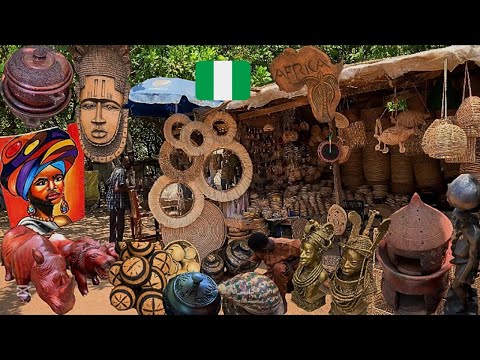
The African art market has experienced significant growth in recent years, with the continent's vibrant cultural scene and rich artistic heritage driving demand. According to a report by Artcurial, the African art market grew by 50% in 2020, with sales reaching $30 million. However, the market is not without its challenges, including issues of authenticity, provenance, and the repatriation of looted cultural artifacts. The rise of online platforms and social media has also democratized access to African art, with artists such as Ghana's Ibrahim Mahama and Nigeria's Njideka Akunyili Crosby gaining international recognition. Despite these developments, the market remains largely unregulated, with many sales taking place outside of formal channels. As the market continues to evolve, it is likely that we will see increased scrutiny of its practices and a growing demand for transparency and accountability.
🌍 Introduction to African Art Market
The African Art Market has experienced significant growth in recent years, with African Modernism and Contemporary African Art gaining international recognition. The market is driven by a new generation of collectors, African Art Collectors, and artists who are pushing the boundaries of traditional African art. The 1-54 Contemporary African Art Fair has become a major platform for showcasing African art, with editions in London, New York, and Marrakech. As the market continues to evolve, it is essential to understand the History of African Art and its impact on the contemporary scene.
🎨 History of African Art
The History of African Art is rich and diverse, spanning thousands of years and encompassing various styles and mediums. From ancient Egyptian Art to modern South African Art, the continent has produced some of the most incredible works of art in human history. The Benin Bronzes, for example, are a testament to the advanced metalworking skills of the ancient Benin Kingdom. Understanding the historical context of African art is crucial for appreciating its significance and relevance in the modern market. The National Museum of African Art in Washington, D.C. is one of the leading institutions dedicated to the preservation and promotion of African art.
📈 Market Trends and Growth
The African Art Market has experienced significant growth in recent years, with sales reaching $100 million in 2020. The market is driven by a new generation of collectors, African Art Collectors, and artists who are pushing the boundaries of traditional African art. The Art Africa Fair in Cape Town has become a major platform for showcasing African art, with a focus on Contemporary African Art. As the market continues to evolve, it is essential to understand the Market Trends and their impact on the industry. The African Art Market Report provides an in-depth analysis of the market, including market size and growth prospects.
👥 Key Players and Collectors
The African Art Market is driven by a network of Key Players and Collectors who are passionate about promoting and preserving African art. El Anatsui is one of the most renowned African artists, known for his stunning bottle cap sculptures. The Zeitz MOCAA in Cape Town is one of the leading museums of contemporary African art, with a collection of over 5,000 works. The Tate Modern in London has also become a major platform for showcasing African art, with exhibitions such as Tate Modern African Art. As the market continues to evolve, it is essential to understand the role of African Art Collectors and their impact on the industry.
🏛️ Galleries and Museums
The African Art Market is supported by a network of Galleries and Museums that showcase and promote African art. The Jack Shainman Gallery in New York is one of the leading galleries of contemporary African art, with a roster of artists including Kerry James Marshall. The National Gallery of South Africa in Cape Town is one of the oldest and most respected museums of African art, with a collection of over 10,000 works. The Museum of Modern Art in New York has also become a major platform for showcasing African art, with exhibitions such as MOMA African Art. As the market continues to evolve, it is essential to understand the role of Galleries and Museums and their impact on the industry.
📊 Sales and Auctions
The African Art Market is driven by a series of Sales and Auctions that take place throughout the year. The Sotheby's African Art sale in London is one of the most prestigious auctions of African art, with sales reaching $10 million in 2020. The Christie's African Art sale in New York is another major platform for buying and selling African art, with a focus on Contemporary African Art. As the market continues to evolve, it is essential to understand the Auction Houses and their role in the industry. The African Art Market Report provides an in-depth analysis of the market, including market size and growth prospects.
🌟 Emerging Artists
The African Art Market is home to a new generation of Emerging Artists who are pushing the boundaries of traditional African art. Njideka Akunyili Crosby is one of the most renowned African artists, known for her stunning paintings. The Zeitz MOCAA in Cape Town has become a major platform for showcasing emerging African artists, with a focus on Contemporary African Art. As the market continues to evolve, it is essential to understand the role of Emerging Artists and their impact on the industry. The African Art Market Report provides an in-depth analysis of the market, including market size and growth prospects.
🤝 Collaborations and Partnerships
The African Art Market is supported by a network of Collaborations and Partnerships that promote and preserve African art. The Tate Modern in London has partnered with the Zeitz MOCAA in Cape Town to showcase African art, with exhibitions such as Tate Modern African Art. The Museum of Modern Art in New York has also partnered with the National Gallery of South Africa to promote African art, with exhibitions such as MOMA African Art. As the market continues to evolve, it is essential to understand the role of Collaborations and Partnerships and their impact on the industry.
📚 Education and Research
The African Art Market is supported by a network of Education and Research institutions that promote and preserve African art. The University of Cape Town has a dedicated department of African art, with a focus on African Art History. The School of Oriental and African Studies in London is another leading institution for the study of African art, with a focus on African Art and Archaeology. As the market continues to evolve, it is essential to understand the role of Education and Research and their impact on the industry.
📊 Challenges and Opportunities
The African Art Market faces several Challenges and Opportunities as it continues to evolve. The market is still relatively small compared to other art markets, with sales reaching $100 million in 2020. However, the market is growing rapidly, with a focus on Contemporary African Art. As the market continues to evolve, it is essential to understand the Challenges and Opportunities and their impact on the industry. The African Art Market Report provides an in-depth analysis of the market, including market size and growth prospects.
🔮 Future of African Art Market
The African Art Market is poised for significant growth in the coming years, with a focus on Future of African Art Market. The market is driven by a new generation of collectors, African Art Collectors, and artists who are pushing the boundaries of traditional African art. The 1-54 Contemporary African Art Fair has become a major platform for showcasing African art, with editions in London, New York, and Marrakech. As the market continues to evolve, it is essential to understand the Future of African Art Market and its impact on the industry.
🌐 Global Impact and Recognition
The African Art Market has a significant impact on the global art market, with a focus on Global Impact and Recognition. The market is driven by a new generation of collectors, African Art Collectors, and artists who are pushing the boundaries of traditional African art. The Tate Modern in London has become a major platform for showcasing African art, with exhibitions such as Tate Modern African Art. As the market continues to evolve, it is essential to understand the Global Impact and Recognition and its impact on the industry.
Key Facts
- Year
- 2022
- Origin
- Africa
- Category
- Art Market
- Type
- Market
Frequently Asked Questions
What is the size of the African Art Market?
The African Art Market is estimated to be around $100 million in size, with sales reaching $10 million in 2020. The market is growing rapidly, with a focus on Contemporary African Art. The African Art Market Report provides an in-depth analysis of the market, including market size and growth prospects.
Who are the key players in the African Art Market?
The African Art Market is driven by a network of Key Players and Collectors who are passionate about promoting and preserving African art. El Anatsui is one of the most renowned African artists, known for his stunning bottle cap sculptures. The Zeitz MOCAA in Cape Town is one of the leading museums of contemporary African art, with a collection of over 5,000 works.
What is the role of galleries and museums in the African Art Market?
The African Art Market is supported by a network of Galleries and Museums that showcase and promote African art. The Jack Shainman Gallery in New York is one of the leading galleries of contemporary African art, with a roster of artists including Kerry James Marshall. The National Gallery of South Africa in Cape Town is one of the oldest and most respected museums of African art, with a collection of over 10,000 works.
What is the impact of the African Art Market on the global art market?
The African Art Market has a significant impact on the global art market, with a focus on Global Impact and Recognition. The market is driven by a new generation of collectors, African Art Collectors, and artists who are pushing the boundaries of traditional African art. The Tate Modern in London has become a major platform for showcasing African art, with exhibitions such as Tate Modern African Art.
What are the challenges and opportunities facing the African Art Market?
The African Art Market faces several Challenges and Opportunities as it continues to evolve. The market is still relatively small compared to other art markets, with sales reaching $100 million in 2020. However, the market is growing rapidly, with a focus on Contemporary African Art. As the market continues to evolve, it is essential to understand the Challenges and Opportunities and their impact on the industry.