
Contents
- 🌊 Introduction to Zooxanthellae
- 🔬 The Science of Symbiosis
- 🌴 Coral Reefs and Zooxanthellae
- 🧬 The Genus Symbiodinium
- 🌿 Other Endosymbionts: Amphidinium and Beyond
- 🐳 Marine Invertebrates and Zooxanthellae
- 🌟 The Importance of Zooxanthellae in Marine Ecosystems
- 🚨 Threats to Zooxanthellae and Coral Reefs
- 🔍 Research and Conservation Efforts
- 🌈 The Future of Zooxanthellae and Coral Reef Conservation
- 📚 Conclusion and Further Reading
- 👥 References and Resources
- Frequently Asked Questions
- Related Topics
Overview
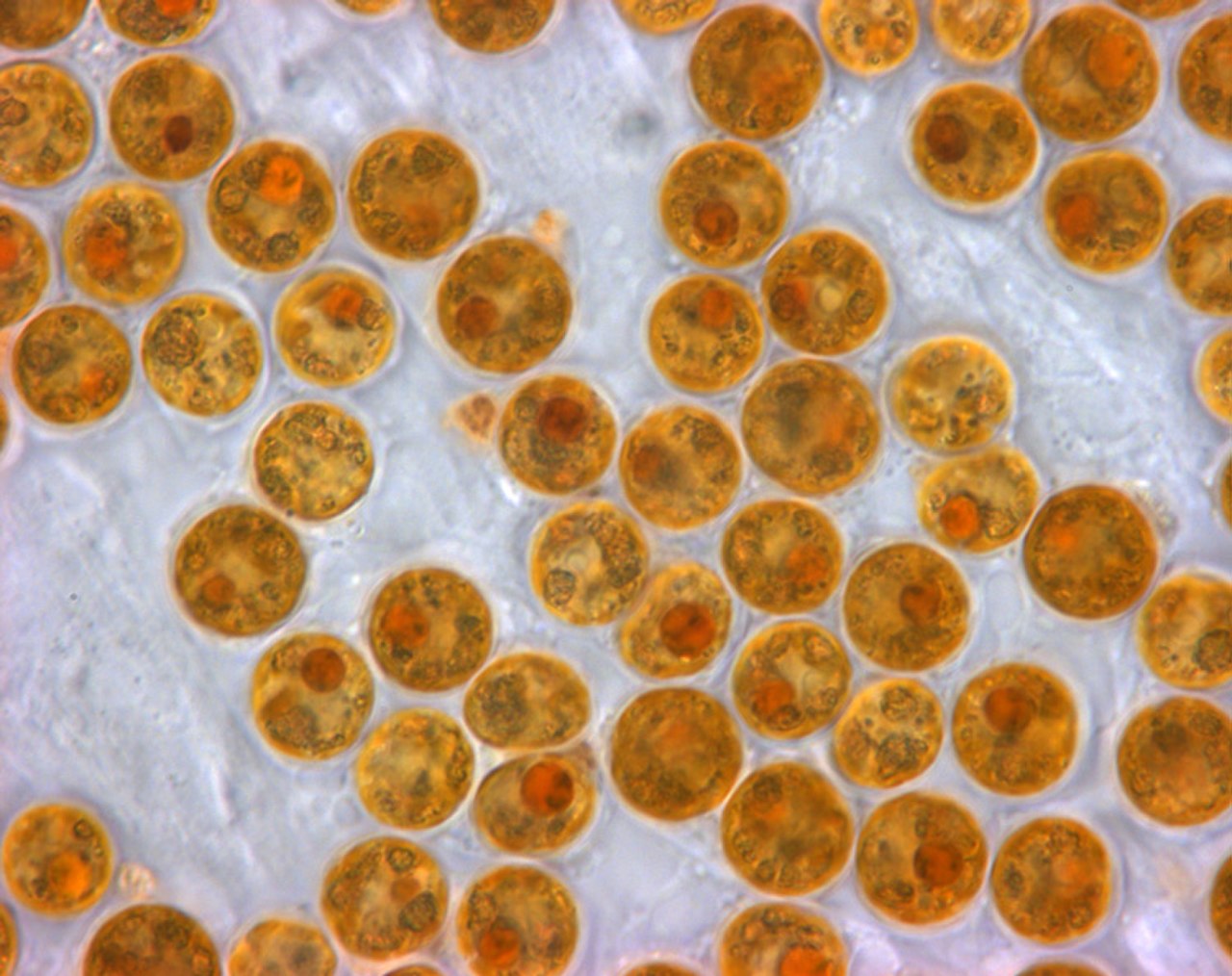
Zooxanthellae, a type of single-celled algae, have been the subject of intense study due to their symbiotic relationship with coral reefs. These microscopic organisms, specifically dinoflagellates of the genus Symbiodinium, are responsible for producing up to 90% of the coral's nutrients through photosynthesis. However, this mutually beneficial relationship is under threat due to rising sea temperatures, with coral bleaching events on the rise. The symbiosis between zooxanthellae and coral is complex, with some species of coral able to expel their zooxanthellae in response to stress, while others form long-term relationships. Researchers like Dr. Ruth Gates have dedicated their careers to understanding the intricacies of this relationship, with a focus on developing strategies to protect coral reefs from the impacts of climate change. With a vibe score of 8, the study of zooxanthellae is an area of high cultural energy, with significant implications for the future of our planet's ecosystems.
🌊 Introduction to Zooxanthellae
Zooxanthellae are the microscopic powerhouses of coral reefs, providing the energy and nutrients necessary for these ecosystems to thrive. As a type of Dinoflagellates, zooxanthellae are capable of Photosynthesis, producing energy from sunlight that is then used by their host organisms. This symbiotic relationship is crucial for the survival of coral reefs, and is also found in other marine invertebrates such as Jellyfish and Nudibranchs. The term 'zooxanthellae' was first coined by Karl Brandt in 1881, and refers to the yellow-colored Symbiodinium genus. To learn more about the importance of zooxanthellae, visit the Coral Reefs page.
🔬 The Science of Symbiosis
The science of symbiosis is complex and multifaceted, involving the interaction of two or more different species. In the case of zooxanthellae and coral reefs, this relationship is mutualistic, meaning that both species benefit from each other's presence. The zooxanthellae provide the coral with energy and nutrients, while the coral provides the zooxanthellae with a safe and stable environment in which to live. This relationship is also found in other marine ecosystems, such as Seagrass beds and Kelp Forests. For more information on symbiosis, see the Symbiosis page. Additionally, the Marine Biology field of study is crucial for understanding these complex relationships.
🌴 Coral Reefs and Zooxanthellae
Coral reefs are some of the most diverse and complex ecosystems on the planet, and zooxanthellae play a crucial role in their survival. The coral polyps that make up the reef provide a home for the zooxanthellae, which in turn produce the energy and nutrients necessary for the coral to grow and thrive. This relationship is essential for the health and resilience of the reef, and is also important for the many other species that call the reef home. To learn more about coral reefs and their importance, visit the Marine Ecosystems page. Furthermore, the Conservation Biology field is vital for protecting these ecosystems.
🧬 The Genus Symbiodinium
The genus Symbiodinium is the most well-known and widespread group of zooxanthellae, and is found in a variety of marine invertebrates. These single-celled organisms are capable of photosynthesis, and produce a range of different pigments that give them their characteristic yellow or brown color. Symbiodinium are also highly adaptable, and are able to survive in a range of different environments and conditions. For more information on Symbiodinium, see the Dinoflagellates page. Additionally, the Microbiology field of study is essential for understanding these microorganisms.
🌿 Other Endosymbionts: Amphidinium and Beyond
While Symbiodinium are the most well-known group of zooxanthellae, other genera such as Amphidinium are also capable of forming symbiotic relationships with marine invertebrates. These organisms are also photosynthetic, and produce energy and nutrients that are used by their host organisms. However, less is known about these other groups of zooxanthellae, and further research is needed to fully understand their role in marine ecosystems. To learn more about Amphidinium, visit the Amphidinium page. Furthermore, the Taxonomy field is crucial for classifying and understanding these microorganisms.
🐳 Marine Invertebrates and Zooxanthellae
Zooxanthellae are found in a wide range of marine invertebrates, including corals, jellyfish, demosponges, and nudibranchs. These organisms provide a home for the zooxanthellae, which in turn produce the energy and nutrients necessary for the host to survive. This relationship is essential for the health and resilience of the host, and is also important for the many other species that are dependent on the host for food or shelter. For more information on marine invertebrates, see the Marine Invertebrates page. Additionally, the Ecology field of study is vital for understanding these complex relationships.
🌟 The Importance of Zooxanthellae in Marine Ecosystems
Zooxanthellae are incredibly important in marine ecosystems, providing the energy and nutrients necessary for coral reefs and other ecosystems to thrive. Without zooxanthellae, these ecosystems would not be able to survive, and the many species that depend on them would be lost. As such, it is essential that we take steps to protect and conserve zooxanthellae and the ecosystems they inhabit. To learn more about the importance of zooxanthellae, visit the Coral Reef Conservation page. Furthermore, the Marine Conservation field is crucial for protecting these ecosystems.
🚨 Threats to Zooxanthellae and Coral Reefs
Zooxanthellae and coral reefs are facing a range of threats, including climate change, pollution, and overfishing. Rising sea temperatures are causing coral bleaching, which is when the coral expels the zooxanthellae and turns white. This can be devastating for the ecosystem, and can have long-lasting impacts on the health and resilience of the reef. To learn more about the threats facing coral reefs, see the Climate Change page. Additionally, the Sustainability field is vital for mitigating these threats.
🔍 Research and Conservation Efforts
Research and conservation efforts are underway to protect zooxanthellae and coral reefs. This includes studying the impacts of climate change and pollution on these ecosystems, as well as developing new technologies and strategies for conservation. For example, scientists are working to develop new methods for coral reef restoration, and are also exploring the use of Assisted Evolution to help corals adapt to changing conditions. To learn more about these efforts, visit the Coral Reef Restoration page. Furthermore, the Science Communication field is essential for raising awareness about these issues.
🌈 The Future of Zooxanthellae and Coral Reef Conservation
The future of zooxanthellae and coral reef conservation is uncertain, but there are many reasons to be hopeful. New technologies and strategies are being developed, and there is a growing recognition of the importance of these ecosystems. However, more needs to be done to address the threats facing zooxanthellae and coral reefs, and to ensure the long-term health and resilience of these ecosystems. To learn more about the future of coral reef conservation, see the Ocean Conservation page. Additionally, the Environmental Policy field is crucial for informing conservation efforts.
📚 Conclusion and Further Reading
In conclusion, zooxanthellae are the microscopic powerhouses of coral reefs, providing the energy and nutrients necessary for these ecosystems to thrive. However, they are facing a range of threats, and it is essential that we take steps to protect and conserve them. By learning more about zooxanthellae and the ecosystems they inhabit, we can work to ensure the long-term health and resilience of these ecosystems. For more information, visit the Marine Biology page. Furthermore, the Scientific Research field is vital for advancing our understanding of these ecosystems.
👥 References and Resources
For further reading and resources, please visit the Coral Reefs page, the Symbiosis page, or the Marine Conservation page. Additionally, the National Oceanic and Atmospheric Administration (NOAA) and the World Wildlife Fund (WWF) are excellent resources for learning more about zooxanthellae and coral reef conservation.
Key Facts
- Year
- 2015
- Origin
- First discovered in the 19th century, with significant research advancements in the 1960s and 1970s
- Category
- Marine Biology
- Type
- Biological Organism
Frequently Asked Questions
What are zooxanthellae?
Zooxanthellae are single-celled organisms that are capable of photosynthesis and form symbiotic relationships with marine invertebrates such as corals and jellyfish. They are essential for the health and resilience of these ecosystems, and provide the energy and nutrients necessary for the host to survive. To learn more, visit the Zooxanthellae page. Additionally, the Microbiology field of study is essential for understanding these microorganisms.
What is the importance of zooxanthellae in coral reefs?
Zooxanthellae are incredibly important in coral reefs, providing the energy and nutrients necessary for the coral to grow and thrive. Without zooxanthellae, coral reefs would not be able to survive, and the many species that depend on them would be lost. To learn more, see the Coral Reefs page. Furthermore, the Ecology field of study is vital for understanding these complex relationships.
What are the threats facing zooxanthellae and coral reefs?
Zooxanthellae and coral reefs are facing a range of threats, including climate change, pollution, and overfishing. Rising sea temperatures are causing coral bleaching, which can be devastating for the ecosystem. To learn more, visit the Climate Change page. Additionally, the Sustainability field is vital for mitigating these threats.
What is being done to conserve zooxanthellae and coral reefs?
Research and conservation efforts are underway to protect zooxanthellae and coral reefs. This includes studying the impacts of climate change and pollution on these ecosystems, as well as developing new technologies and strategies for conservation. To learn more, see the Coral Reef Conservation page. Furthermore, the Science Communication field is essential for raising awareness about these issues.
How can I get involved in zooxanthellae and coral reef conservation?
There are many ways to get involved in zooxanthellae and coral reef conservation, from volunteering with conservation organizations to reducing your carbon footprint and supporting sustainable seafood. To learn more, visit the Ocean Conservation page. Additionally, the Environmental Policy field is crucial for informing conservation efforts.
What is the future of zooxanthellae and coral reef conservation?
The future of zooxanthellae and coral reef conservation is uncertain, but there are many reasons to be hopeful. New technologies and strategies are being developed, and there is a growing recognition of the importance of these ecosystems. To learn more, see the Coral Reef Restoration page. Furthermore, the Scientific Research field is vital for advancing our understanding of these ecosystems.
How can I learn more about zooxanthellae and coral reefs?
There are many resources available for learning more about zooxanthellae and coral reefs, including the Coral Reefs page, the Symbiosis page, and the Marine Conservation page. Additionally, the National Oceanic and Atmospheric Administration (NOAA) and the World Wildlife Fund (WWF) are excellent resources for learning more about zooxanthellae and coral reef conservation.