
Contents
- 📊 Introduction to Web Conferencing
- 📈 The Evolution of Remote Meetings
- 📚 History of Web Conferencing
- 📞 Types of Web Conferencing
- 📊 Benefits of Web Conferencing
- 🚀 The Rise of Virtual Events
- 🤝 Collaborative Tools and Services
- 📊 Security and Privacy Concerns
- 📈 Future of Web Conferencing
- 📊 Conclusion and Recommendations
- Frequently Asked Questions
- Related Topics
Overview
Web conferencing has come a long way since its inception in the 1990s, with the first web conferencing tool, NetMeeting, released by Microsoft in 1996. Today, web conferencing is a ubiquitous technology, with platforms like Zoom, Google Meet, and Skype dominating the market. With the rise of remote work, web conferencing has become an essential tool for businesses, educational institutions, and individuals alike. According to a report by MarketsandMarkets, the web conferencing market is expected to grow from $4.8 billion in 2020 to $13.8 billion by 2025, at a Compound Annual Growth Rate (CAGR) of 13.4%. However, web conferencing also raises concerns about data security, privacy, and the digital divide. As web conferencing continues to evolve, it's likely to have a significant impact on the way we work, learn, and interact with each other. With the increasing demand for virtual events and remote collaboration, web conferencing is poised to play a crucial role in shaping the future of communication and collaboration.
📊 Introduction to Web Conferencing
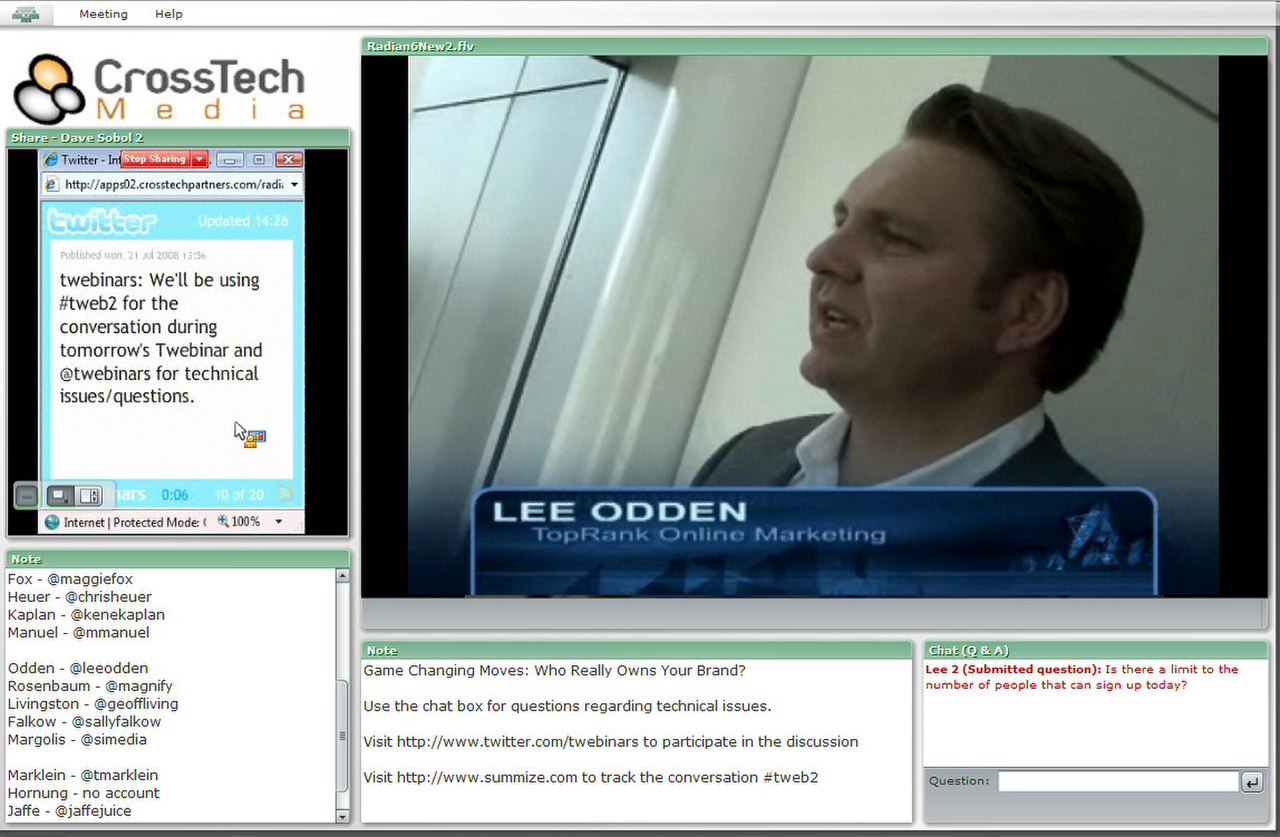
Web conferencing has become an essential tool for businesses, organizations, and individuals to connect and collaborate remotely. As an umbrella term, web conferencing encompasses various types of online conferencing and collaborative services, including Webinars, Webcasts, and Web Meetings. The term is sometimes used in a narrower sense to refer to peer-level web meetings, distinguishing it from other types of collaborative sessions, such as Online Collaboration and Virtual Teams. With the advancement of technology, web conferencing has evolved to include a range of features and tools, making it an indispensable part of modern communication. For instance, Zoom and Google Meet have become popular platforms for web conferencing, offering high-quality video and audio conferencing capabilities.
📈 The Evolution of Remote Meetings
The evolution of remote meetings has been shaped by the rapid growth of digital technologies, including Broadband Internet, Cloud Computing, and Mobile Devices. As these technologies have become more widespread and accessible, the demand for web conferencing solutions has increased, driving innovation and investment in the sector. Today, web conferencing is used in a variety of contexts, from business meetings and Online Learning to Telehealth and Social Media. The rise of remote work and virtual teams has also fueled the growth of web conferencing, with platforms like Slack and Microsoft Teams integrating web conferencing capabilities into their collaboration tools.
📚 History of Web Conferencing
The history of web conferencing dates back to the early 1990s, when the first web conferencing tools were developed. These early tools were often cumbersome and limited in their functionality, but they paved the way for the modern web conferencing solutions we use today. The development of VoIP (Voice over Internet Protocol) technology in the late 1990s and early 2000s was a significant milestone in the evolution of web conferencing, enabling high-quality audio and video conferencing over the internet. Since then, web conferencing has continued to evolve, with the introduction of new features and tools, such as Screen Sharing, Video Recording, and Live Streaming. For example, YouTube Live and Facebook Live have become popular platforms for live streaming, while GoToWebinar and Webex offer advanced web conferencing features.
📞 Types of Web Conferencing
There are several types of web conferencing, each with its own unique characteristics and use cases. Webinars are typically used for presentations and lectures, while Webcasts are often used for larger, more formal events. Web Meetings, on the other hand, are used for smaller, more informal gatherings, such as team meetings and brainstorming sessions. Other types of web conferencing include Virtual Events, Online Training, and Remote Support. Each of these types of web conferencing has its own set of tools and features, and the choice of which one to use depends on the specific needs and goals of the user. For instance, Amazon Chime and Skype offer a range of web conferencing features, including video and audio conferencing, screen sharing, and instant messaging.
📊 Benefits of Web Conferencing
The benefits of web conferencing are numerous and well-documented. One of the most significant advantages is the ability to connect with people remotely, regardless of their location. This has made it possible for businesses and organizations to expand their reach and collaborate with people from all over the world. Web conferencing has also reduced the need for travel, saving time, money, and resources. Additionally, web conferencing has enabled greater flexibility and convenience, allowing people to participate in meetings and events from anywhere, at any time. For example, Upwork and Freelancer have used web conferencing to connect with clients and team members remotely, while Udemy and Coursera have used web conferencing to deliver online courses and training programs.
🚀 The Rise of Virtual Events
The rise of virtual events has been a significant trend in the web conferencing space. Virtual events, such as Virtual Conferences and Online Trade Shows, have become increasingly popular, offering a range of benefits, including cost savings, increased reach, and improved accessibility. Virtual events have also enabled new forms of engagement and interaction, such as Live Polling and Q&A Sessions. As the technology continues to evolve, we can expect to see even more innovative and interactive virtual events in the future. For instance, Facebook and LinkedIn have used virtual events to connect with users and provide training and education, while Salesforce and Oracle have used virtual events to showcase their products and services.
🤝 Collaborative Tools and Services
Collaborative tools and services have become an essential part of web conferencing, enabling teams and individuals to work together more effectively. These tools include Project Management software, such as Asana and Trello, as well as File Sharing platforms, such as Dropbox and Google Drive. Other collaborative tools include Instant Messaging apps, such as Slack and Microsoft Teams, and Video Conferencing platforms, such as Zoom and Skype. By integrating these tools into web conferencing solutions, users can enhance their productivity and collaboration, and achieve their goals more efficiently. For example, Atlassian and GitHub have used collaborative tools to develop and deliver software products, while IBM and Microsoft have used collaborative tools to provide customer support and services.
📊 Security and Privacy Concerns
Security and privacy concerns are a top priority in web conferencing, as users share sensitive information and collaborate with others online. To address these concerns, web conferencing platforms have implemented a range of security measures, including Encryption, Firewalls, and Access Controls. Additionally, many web conferencing platforms have obtained Compliance Certifications, such as HIPAA and GDPR, to ensure that they meet the highest standards of security and privacy. As the threat landscape continues to evolve, web conferencing platforms must remain vigilant and proactive in protecting their users' data and privacy. For instance, Cyberark and Palo Alto Networks have developed security solutions to protect web conferencing platforms from cyber threats, while Verizon and AT&T have provided secure network infrastructure for web conferencing.
📈 Future of Web Conferencing
The future of web conferencing is exciting and full of possibilities. As technology continues to advance, we can expect to see even more innovative and interactive web conferencing solutions. One trend that is likely to shape the future of web conferencing is the integration of Artificial Intelligence and Machine Learning. This will enable web conferencing platforms to provide more personalized and automated experiences, such as Virtual Assistants and Chatbots. Another trend is the growth of Extended Reality, which will enable users to participate in immersive and interactive virtual events. For example, Magic Leap and HTC Vive have developed extended reality solutions for web conferencing, while Google and Amazon have developed artificial intelligence and machine learning solutions for web conferencing.
📊 Conclusion and Recommendations
In conclusion, web conferencing has come a long way since its inception, and it continues to evolve and improve with each passing day. As we look to the future, it is clear that web conferencing will play an increasingly important role in the way we communicate and collaborate. Whether you are a business, organization, or individual, web conferencing offers a range of benefits and opportunities, from increased flexibility and convenience to improved productivity and collaboration. By understanding the history, types, and benefits of web conferencing, as well as the security and privacy concerns, you can make informed decisions about how to use web conferencing to achieve your goals. For instance, Cisco and Huawei have developed web conferencing solutions for businesses, while Zoom and Google Meet have developed web conferencing solutions for individuals and small teams.
Key Facts
- Year
- 2020
- Origin
- The first web conferencing tool, NetMeeting, was released by Microsoft in 1996
- Category
- Technology
- Type
- Technology
Frequently Asked Questions
What is web conferencing?
Web conferencing is an umbrella term for various types of online conferencing and collaborative services, including webinars, webcasts, and web meetings. It enables users to connect and collaborate remotely, using a range of tools and features, such as video and audio conferencing, screen sharing, and instant messaging. Web conferencing has become an essential tool for businesses, organizations, and individuals, offering a range of benefits, including increased flexibility and convenience, improved productivity and collaboration, and reduced costs. For example, Webex and GoToWebinar are popular web conferencing platforms that offer a range of features and tools.
What are the benefits of web conferencing?
The benefits of web conferencing are numerous and well-documented. One of the most significant advantages is the ability to connect with people remotely, regardless of their location. This has made it possible for businesses and organizations to expand their reach and collaborate with people from all over the world. Web conferencing has also reduced the need for travel, saving time, money, and resources. Additionally, web conferencing has enabled greater flexibility and convenience, allowing people to participate in meetings and events from anywhere, at any time. For instance, Upwork and Freelancer have used web conferencing to connect with clients and team members remotely, while Udemy and Coursera have used web conferencing to deliver online courses and training programs.
What are the different types of web conferencing?
There are several types of web conferencing, each with its own unique characteristics and use cases. Webinars are typically used for presentations and lectures, while webcasts are often used for larger, more formal events. Web meetings, on the other hand, are used for smaller, more informal gatherings, such as team meetings and brainstorming sessions. Other types of web conferencing include virtual events, online training, and remote support. Each of these types of web conferencing has its own set of tools and features, and the choice of which one to use depends on the specific needs and goals of the user. For example, Zoom and Google Meet offer a range of web conferencing features, including video and audio conferencing, screen sharing, and instant messaging.
What are the security and privacy concerns in web conferencing?
Security and privacy concerns are a top priority in web conferencing, as users share sensitive information and collaborate with others online. To address these concerns, web conferencing platforms have implemented a range of security measures, including encryption, firewalls, and access controls. Additionally, many web conferencing platforms have obtained compliance certifications, such as HIPAA and GDPR, to ensure that they meet the highest standards of security and privacy. As the threat landscape continues to evolve, web conferencing platforms must remain vigilant and proactive in protecting their users' data and privacy. For instance, Cyberark and Palo Alto Networks have developed security solutions to protect web conferencing platforms from cyber threats, while Verizon and AT&T have provided secure network infrastructure for web conferencing.
What is the future of web conferencing?
The future of web conferencing is exciting and full of possibilities. As technology continues to advance, we can expect to see even more innovative and interactive web conferencing solutions. One trend that is likely to shape the future of web conferencing is the integration of artificial intelligence and machine learning. This will enable web conferencing platforms to provide more personalized and automated experiences, such as virtual assistants and chatbots. Another trend is the growth of extended reality, which will enable users to participate in immersive and interactive virtual events. For example, Magic Leap and HTC Vive have developed extended reality solutions for web conferencing, while Google and Amazon have developed artificial intelligence and machine learning solutions for web conferencing.
How can I choose the right web conferencing platform for my needs?
Choosing the right web conferencing platform depends on your specific needs and goals. Consider the number of users, the type of meetings and events you will be hosting, and the features and tools you require. You should also consider the security and privacy measures in place, as well as the platform's compliance with relevant regulations. Additionally, you may want to consider the platform's user interface, customer support, and pricing. For instance, Cisco and Huawei have developed web conferencing solutions for businesses, while Zoom and Google Meet have developed web conferencing solutions for individuals and small teams.
What are the best practices for using web conferencing?
The best practices for using web conferencing include preparing in advance, testing your equipment and internet connection, and being mindful of your body language and tone of voice. You should also be respectful of other participants, avoid distractions, and keep your meetings focused and on track. Additionally, you may want to consider recording your meetings, using screen sharing and other visual aids, and following up with participants after the meeting. For example, Atlassian and GitHub have developed best practices for using web conferencing, while IBM and Microsoft have developed guidelines for web conferencing etiquette.