
Contents
- 🌋 Introduction to Volcanic Eruptions
- 🔥 Types of Volcanic Eruptions
- 🌊 Volcanic Eruption Mechanisms
- 🌴 Volcanic Landforms and Features
- 🚨 Volcanic Eruption Prediction and Warning
- 🌍 Famous Volcanic Eruptions in History
- 🌊 Volcanic Eruptions and the Ocean
- 🌟 The Impact of Volcanic Eruptions on Climate
- 🌎 Volcanic Eruptions and the Environment
- 👥 Volcanic Eruption Response and Mitigation
- 🔮 The Future of Volcanic Eruption Research
- Frequently Asked Questions
- Related Topics
Overview
Volcanic eruptions are a powerful display of the Earth's geological forces, with the potential to reshape landscapes and impact global climate patterns. The 1815 eruption of Mount Tambora, for example, caused the 'Year Without a Summer' in 1816, with widespread crop failures and famine. In contrast, the 1980 eruption of Mount St. Helens in Washington State, USA, was one of the most significant in recent US history, with a Vibe score of 85 due to its intense media coverage and scientific interest. The eruption of Mount Vesuvius in 79 AD, which destroyed the ancient Roman city of Pompeii, is a stark reminder of the devastating impact of volcanic activity on human populations. With over 1,500 potentially active volcanoes worldwide, the threat of volcanic eruptions remains a pressing concern for geologists, emergency responders, and the general public. As our understanding of volcanic activity evolves, so too does our ability to predict and prepare for these events, with advances in monitoring technology and early warning systems offering a glimmer of hope for mitigating the effects of these natural disasters.
🌋 Introduction to Volcanic Eruptions
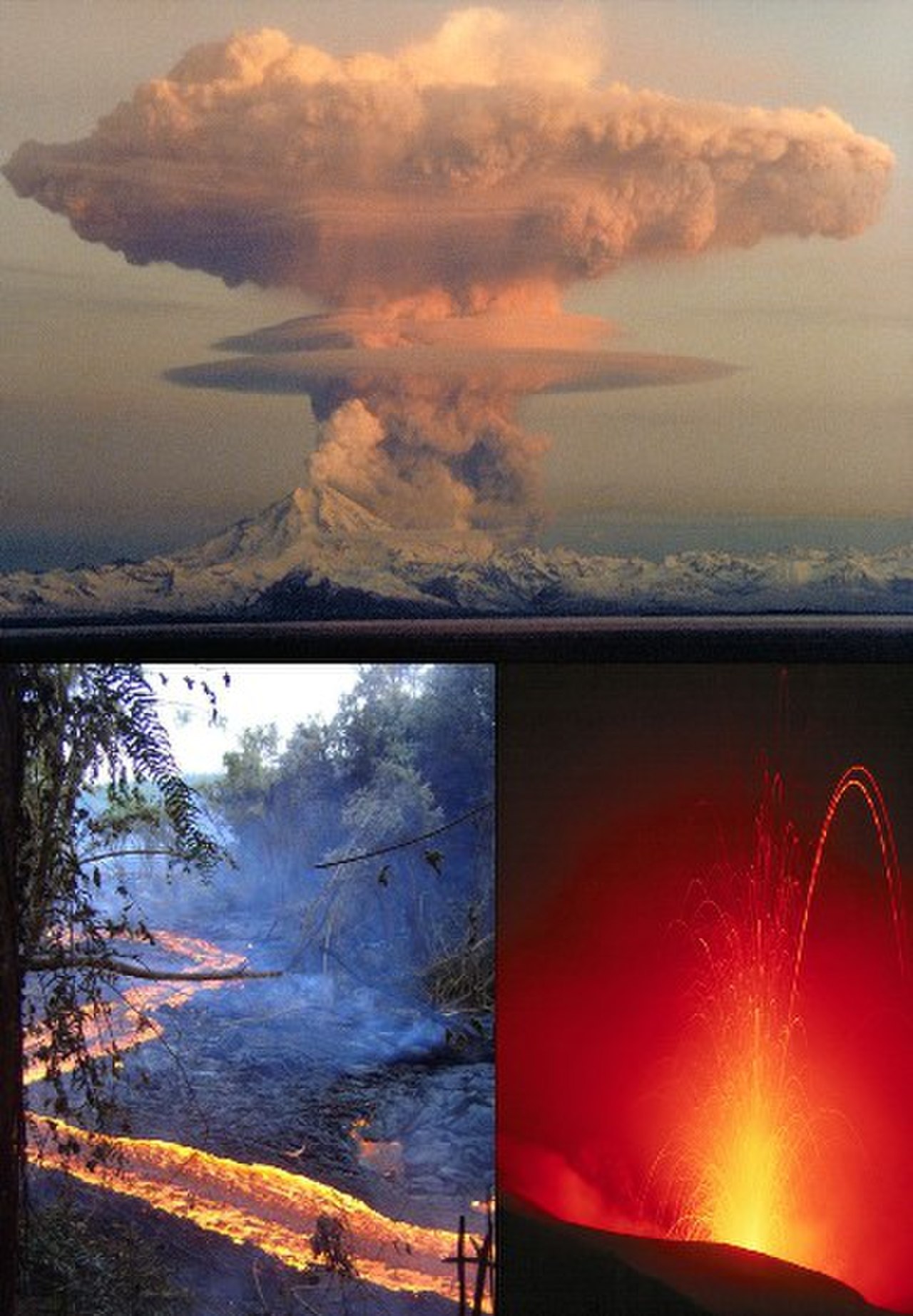
Volcanic eruptions are a powerful display of the Earth's geological forces, with the ability to shape the landscape and impact the environment. A volcanic eruption occurs when material is expelled from a volcanic vent or fissure, and can range from gentle lava flows to explosive eruptions of ash and gas. Volcanologists have distinguished several types of volcanic eruptions, including Hawaiian eruptions and Vesuvian eruptions, which are often named after famous volcanoes where that type of behavior has been observed. The study of volcanic eruptions is a complex and multidisciplinary field, involving geology, geophysics, and geochemistry. By understanding the mechanisms and processes that drive volcanic eruptions, scientists can better predict and prepare for these events, reducing the risk to people and the environment. For example, the United States Geological Survey (USGS) monitors volcanic activity and provides warnings and updates on potential eruptions.
🔥 Types of Volcanic Eruptions
The different types of volcanic eruptions are characterized by the type of material expelled and the style of eruption. Pelean eruptions, for example, are characterized by a large amount of ash and gas, while Strombolian eruptions are marked by the ejection of incandescent lava bombs. Volcanologists use a variety of techniques to study volcanic eruptions, including seismology and remote sensing. By analyzing the data from these techniques, scientists can gain a better understanding of the underlying processes that drive volcanic eruptions and improve their ability to predict and prepare for these events. The study of volcanic eruptions is also closely tied to the study of plate tectonics, as the movement of the Earth's plates is a key factor in the formation of volcanoes and the occurrence of eruptions. For instance, the Pacific Ring of Fire is a region of high volcanic activity due to the subduction of oceanic plates under continental plates.
🌊 Volcanic Eruption Mechanisms
Volcanic eruptions are driven by the movement of magma and gas beneath the surface of the Earth. The magma chamber is a large, underground reservoir of molten rock that feeds the volcano, and the volcanic conduit is the pipe-like structure that connects the magma chamber to the surface. The pressure and temperature conditions in the magma chamber and conduit control the style and intensity of the eruption, with phreatomagmatic eruptions occurring when magma interacts with water. The study of volcanic eruption mechanisms is a complex and multidisciplinary field, involving fluid dynamics, thermodynamics, and geochemistry. By understanding the underlying processes that drive volcanic eruptions, scientists can better predict and prepare for these events, reducing the risk to people and the environment. For example, the volcanic ash from an eruption can have a significant impact on the environment and human health, and understanding the mechanisms of ash formation and transport is crucial for mitigating these effects.
🌴 Volcanic Landforms and Features
Volcanic eruptions can create a range of landforms and features, from gentle lava domes to towering stratovolcanoes. The type of landform that forms depends on the style and intensity of the eruption, as well as the type of material expelled. Cinder cones, for example, are formed by the accumulation of ash and cinder from small-scale eruptions, while shield volcanoes are formed by the eruption of fluid lava flows. The study of volcanic landforms and features is an important part of volcanology, as it can provide insights into the underlying processes that drive volcanic eruptions and the potential hazards associated with them. For instance, the volcanic field is a region of numerous small volcanoes and volcanic landforms, and understanding the formation and evolution of these fields is crucial for assessing the potential for future eruptions. By analyzing the characteristics of volcanic landforms and features, scientists can gain a better understanding of the geological history of a region and the potential for future volcanic activity.
🚨 Volcanic Eruption Prediction and Warning
Predicting and warning for volcanic eruptions is a complex and challenging task, requiring the integration of data from a range of sources, including seismic monitoring and gas monitoring. The United States Geological Survey (USGS) and other organizations use a variety of techniques to monitor volcanic activity and provide warnings and updates on potential eruptions. The volcanic alert level system is used to communicate the level of activity at a volcano, with levels ranging from normal to eruption imminent. By providing timely and accurate warnings, scientists can help reduce the risk to people and the environment, and mitigate the impacts of volcanic eruptions. For example, the evacuation of people from the surrounding area can be facilitated by accurate warnings, and the emergency response can be coordinated to minimize the effects of the eruption.
🌍 Famous Volcanic Eruptions in History
Some of the most famous volcanic eruptions in history include the Mount St. Helens eruption in 1980 and the Mount Pinatubo eruption in 1991. These eruptions had significant impacts on the environment and human health, with the Mount Pinatubo eruption causing widespread damage and loss of life. The study of these eruptions has provided valuable insights into the mechanisms and processes that drive volcanic eruptions, and has helped scientists to improve their ability to predict and prepare for these events. For instance, the volcanic ash cloud from the Mount Pinatubo eruption had a significant impact on global climate patterns, and understanding the mechanisms of ash cloud formation and transport is crucial for mitigating these effects. By analyzing the characteristics of these eruptions, scientists can gain a better understanding of the geological history of a region and the potential for future volcanic activity.
🌊 Volcanic Eruptions and the Ocean
Volcanic eruptions can have a significant impact on the ocean, with the release of ash and gas affecting marine ecosystems and the global climate. The ocean acidification caused by the absorption of carbon dioxide from volcanic eruptions can have significant impacts on marine life, particularly coral reefs. The study of the interactions between volcanic eruptions and the ocean is an important area of research, with implications for our understanding of the Earth's climate system and the potential impacts of future eruptions. For example, the volcanic ash from an eruption can affect the ocean currents and the marine food chain, and understanding these interactions is crucial for mitigating the effects of volcanic eruptions on the ocean. By analyzing the characteristics of volcanic eruptions and their impacts on the ocean, scientists can gain a better understanding of the complex interactions between the Earth's systems and the potential for future volcanic activity.
🌟 The Impact of Volcanic Eruptions on Climate
The impact of volcanic eruptions on climate is a complex and multifaceted topic, with both short-term and long-term effects. The release of ash and gas from a volcanic eruption can reflect sunlight and cool the planet, while the release of greenhouse gases can contribute to global warming. The study of the climate impacts of volcanic eruptions is an important area of research, with implications for our understanding of the Earth's climate system and the potential impacts of future eruptions. For instance, the volcanic ash cloud from an eruption can affect the global temperature and the precipitation patterns, and understanding these interactions is crucial for mitigating the effects of volcanic eruptions on the climate. By analyzing the characteristics of volcanic eruptions and their impacts on the climate, scientists can gain a better understanding of the complex interactions between the Earth's systems and the potential for future volcanic activity.
🌎 Volcanic Eruptions and the Environment
Volcanic eruptions can have significant impacts on the environment, with the release of ash and gas affecting ecosystems and human health. The study of the environmental impacts of volcanic eruptions is an important area of research, with implications for our understanding of the potential hazards associated with these events. For example, the volcanic ash from an eruption can affect the air quality and the water quality, and understanding these interactions is crucial for mitigating the effects of volcanic eruptions on the environment. By analyzing the characteristics of volcanic eruptions and their impacts on the environment, scientists can gain a better understanding of the complex interactions between the Earth's systems and the potential for future volcanic activity.
👥 Volcanic Eruption Response and Mitigation
Responding to and mitigating the effects of volcanic eruptions requires a coordinated effort from scientists, emergency responders, and policymakers. The United States Geological Survey (USGS) and other organizations play a critical role in monitoring volcanic activity and providing warnings and updates on potential eruptions. The development of early warning systems and emergency response plans is essential for reducing the risk to people and the environment, and mitigating the impacts of volcanic eruptions. For instance, the evacuation of people from the surrounding area can be facilitated by accurate warnings, and the emergency response can be coordinated to minimize the effects of the eruption. By working together, scientists and policymakers can help reduce the risks associated with volcanic eruptions and protect communities from the potential hazards.
🔮 The Future of Volcanic Eruption Research
The future of volcanic eruption research is an exciting and rapidly evolving field, with new technologies and techniques being developed to improve our understanding of these complex events. The use of remote sensing and machine learning is revolutionizing the field of volcanology, allowing scientists to monitor volcanic activity and predict eruptions with greater accuracy. The development of new technologies and new methods for studying volcanic eruptions will continue to improve our understanding of these events and our ability to predict and prepare for them. For example, the use of drone technology and satellite imagery can provide valuable insights into the characteristics of volcanic eruptions and the potential hazards associated with them.
Key Facts
- Year
- 1815
- Origin
- Indonesia
- Category
- Geology
- Type
- Natural Phenomenon
Frequently Asked Questions
What is a volcanic eruption?
A volcanic eruption is the release of hot, molten rock, ash, and gas from a volcano. Volcanic eruptions can range from gentle lava flows to explosive eruptions of ash and gas. The study of volcanic eruptions is a complex and multidisciplinary field, involving geology, geophysics, and geochemistry. By understanding the mechanisms and processes that drive volcanic eruptions, scientists can better predict and prepare for these events, reducing the risk to people and the environment.
What are the different types of volcanic eruptions?
There are several types of volcanic eruptions, including Hawaiian eruptions, Vesuvian eruptions, Pelean eruptions, and Strombolian eruptions. Each type of eruption is characterized by the type of material expelled and the style of eruption. Volcanologists use a variety of techniques to study volcanic eruptions, including seismology and remote sensing. By analyzing the data from these techniques, scientists can gain a better understanding of the underlying processes that drive volcanic eruptions and improve their ability to predict and prepare for these events.
How do scientists predict volcanic eruptions?
Scientists use a variety of techniques to predict volcanic eruptions, including seismic monitoring, gas monitoring, and remote sensing. The United States Geological Survey (USGS) and other organizations monitor volcanic activity and provide warnings and updates on potential eruptions. The development of early warning systems and emergency response plans is essential for reducing the risk to people and the environment, and mitigating the impacts of volcanic eruptions.
What are the impacts of volcanic eruptions on the environment?
Volcanic eruptions can have significant impacts on the environment, with the release of ash and gas affecting ecosystems and human health. The study of the environmental impacts of volcanic eruptions is an important area of research, with implications for our understanding of the potential hazards associated with these events. For example, the volcanic ash from an eruption can affect the air quality and the water quality, and understanding these interactions is crucial for mitigating the effects of volcanic eruptions on the environment.
How can we mitigate the effects of volcanic eruptions?
Mitigating the effects of volcanic eruptions requires a coordinated effort from scientists, emergency responders, and policymakers. The development of early warning systems and emergency response plans is essential for reducing the risk to people and the environment, and mitigating the impacts of volcanic eruptions. By working together, scientists and policymakers can help reduce the risks associated with volcanic eruptions and protect communities from the potential hazards.