
Contents
- 🎵 Origins & History
- ⚙️ How It Works
- 📊 Key Facts & Numbers
- 👥 Key People & Organizations
- 🌍 Cultural Impact & Influence
- ⚡ Current State & Latest Developments
- 🤔 Controversies & Debates
- 🔮 Future Outlook & Predictions
- 💡 Practical Applications
- 📚 Related Topics & Deeper Reading
- Frequently Asked Questions
- References
- Related Topics
Overview
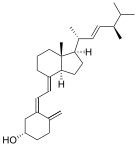
Vitamin D2, also known as ergocalciferol, is a type of vitamin D found in certain foods, such as mushrooms, and is used as a dietary supplement to prevent and treat vitamin D deficiency. With a history dating back to 1936, vitamin D2 has been widely used to address issues related to poor absorption, liver disease, and hypoparathyroidism. According to the National Institutes of Health, vitamin D2 is essential for maintaining strong bones, immune function, and overall health. However, excessive doses can lead to vitamin D toxicity, causing symptoms such as increased urine production, high blood pressure, and kidney stones. As of 2023, vitamin D2 was the 48th most commonly prescribed medication in the United States, with over 10 million prescriptions filled, as reported by the Centers for Disease Control and Prevention. With its rich history, diverse applications, and potential risks, vitamin D2 remains a crucial component of modern nutrition and healthcare, with ongoing research and development by organizations such as the Mayo Clinic and the World Health Organization.
🎵 Origins & History
Vitamin D2, also known as ergocalciferol, has a rich history dating back to 1936, when it was first described by Adolf Windaus, a German chemist and Nobel laureate. Since then, it has been widely used as a dietary supplement to prevent and treat vitamin D deficiency, particularly in individuals with poor absorption or liver disease. According to the National Institutes of Health, vitamin D2 is essential for maintaining strong bones, immune function, and overall health. The Centers for Disease Control and Prevention also recognize the importance of vitamin D2 in preventing and treating vitamin D deficiency.
⚙️ How It Works
Vitamin D2 works by increasing the amount of calcium absorbed by the intestines and reabsorbed by the kidneys, making it an essential component of bone health. It is taken by mouth or via injection into a muscle, and is available as a generic medication and over the counter. However, excessive doses can lead to vitamin D toxicity, causing symptoms such as increased urine production, high blood pressure, and kidney stones. The Mayo Clinic recommends careful monitoring of vitamin D levels to avoid toxicity.
📊 Key Facts & Numbers
Key facts about vitamin D2 include its widespread use as a dietary supplement, with over 10 million prescriptions filled in 2023, as reported by the Centers for Disease Control and Prevention. It is also found in certain foods, such as mushrooms, and is essential for maintaining strong bones, immune function, and overall health. According to the World Health Organization, vitamin D2 is a crucial component of modern nutrition and healthcare. The National Institutes of Health also recognize the importance of vitamin D2 in preventing and treating vitamin D deficiency.
👥 Key People & Organizations
Key people and organizations involved in the development and promotion of vitamin D2 include Adolf Windaus, who first described the compound in 1936. The National Institutes of Health, the Centers for Disease Control and Prevention, and the Mayo Clinic are also major players in the field, providing research, guidance, and treatment options for individuals with vitamin D deficiency. The World Health Organization also plays a crucial role in promoting vitamin D2 as a essential component of modern nutrition and healthcare.
🌍 Cultural Impact & Influence
Vitamin D2 has had a significant cultural impact, particularly in the context of nutrition and healthcare. It has been widely used as a dietary supplement, and its importance has been recognized by major health organizations such as the National Institutes of Health and the World Health Organization. However, there are also controversies surrounding its use, particularly with regards to its potential risks and limitations. The Centers for Disease Control and Prevention and the Mayo Clinic provide guidance on the safe use of vitamin D2.
⚡ Current State & Latest Developments
The current state of vitamin D2 is one of ongoing research and development, with new studies and findings emerging regularly. As of 2023, it was the 48th most commonly prescribed medication in the United States, with over 10 million prescriptions filled. However, there are also concerns about its potential risks and limitations, particularly with regards to excessive doses and toxicity. The National Institutes of Health and the World Health Organization are working to address these concerns and promote the safe use of vitamin D2.
🤔 Controversies & Debates
Controversies surrounding vitamin D2 include its potential risks and limitations, particularly with regards to excessive doses and toxicity. There are also debates about its effectiveness and safety, particularly in comparison to other forms of vitamin D. The Centers for Disease Control and Prevention and the Mayo Clinic provide guidance on the safe use of vitamin D2, while the National Institutes of Health and the World Health Organization are working to address these concerns and promote the safe use of vitamin D2.
🔮 Future Outlook & Predictions
The future outlook for vitamin D2 is one of ongoing research and development, with new studies and findings emerging regularly. As our understanding of its benefits and risks evolves, it is likely that its use will continue to grow and expand, particularly in the context of nutrition and healthcare. The National Institutes of Health and the World Health Organization are working to promote the safe use of vitamin D2 and address concerns about its potential risks and limitations.
💡 Practical Applications
Practical applications of vitamin D2 include its use as a dietary supplement to prevent and treat vitamin D deficiency, particularly in individuals with poor absorption or liver disease. It is also used to address issues related to hypoparathyroidism and low blood calcium. The Mayo Clinic recommends careful monitoring of vitamin D levels to avoid toxicity, while the Centers for Disease Control and Prevention provide guidance on the safe use of vitamin D2.
Key Facts
- Year
- 1936
- Origin
- Germany
- Category
- nutrition
- Type
- concept
Frequently Asked Questions
What is vitamin D2?
Vitamin D2, also known as ergocalciferol, is a type of vitamin D found in food and used as a dietary supplement to prevent and treat vitamin D deficiency. According to the National Institutes of Health, vitamin D2 is essential for maintaining strong bones, immune function, and overall health.
What are the benefits of vitamin D2?
The benefits of vitamin D2 include its ability to increase calcium absorption, prevent and treat vitamin D deficiency, and address issues related to hypoparathyroidism and low blood calcium. The Mayo Clinic recommends careful monitoring of vitamin D levels to avoid toxicity.
What are the risks of vitamin D2?
The risks of vitamin D2 include excessive doses leading to vitamin D toxicity, causing symptoms such as increased urine production, high blood pressure, and kidney stones. The Centers for Disease Control and Prevention provide guidance on the safe use of vitamin D2.
How is vitamin D2 used?
Vitamin D2 is used as a dietary supplement to prevent and treat vitamin D deficiency, particularly in individuals with poor absorption or liver disease. It is taken by mouth or via injection into a muscle. The National Institutes of Health and the World Health Organization provide guidance on the safe use of vitamin D2.
What is the current state of vitamin D2 research?
The current state of vitamin D2 research is one of ongoing studies and findings, with new information emerging regularly. As of 2023, it was the 48th most commonly prescribed medication in the United States, with over 10 million prescriptions filled. The Centers for Disease Control and Prevention and the Mayo Clinic provide guidance on the safe use of vitamin D2.
What are the cultural implications of vitamin D2?
The cultural implications of vitamin D2 include its widespread use as a dietary supplement, its recognition by major health organizations, and its potential risks and limitations. The World Health Organization and the National Institutes of Health are working to promote the safe use of vitamin D2 and address concerns about its potential risks and limitations.
What is the future outlook for vitamin D2?
The future outlook for vitamin D2 is one of ongoing research and development, with new studies and findings emerging regularly. As our understanding of its benefits and risks evolves, it is likely that its use will continue to grow and expand, particularly in the context of nutrition and healthcare. The National Institutes of Health and the World Health Organization are working to promote the safe use of vitamin D2 and address concerns about its potential risks and limitations.