
Contents
- 🎵 Origins & History
- ⚙️ How It Works
- 📊 Key Facts & Numbers
- 👥 Key People & Organizations
- 🌍 Cultural Impact & Influence
- ⚡ Current State & Latest Developments
- 🤔 Controversies & Debates
- 🔮 Future Outlook & Predictions
- 💡 Practical Applications
- 📚 Related Topics & Deeper Reading
- Frequently Asked Questions
- References
- Related Topics
Overview
Virtual reality social skills training is a cutting-edge approach to developing interpersonal skills, leveraging immersive and interactive simulations to enhance emotional intelligence, empathy, and social interactions. With the help of VR technology, individuals can practice and improve their social skills in a safe, controlled, and realistic environment. This innovative method has been successfully applied in various fields, including psychology, education, and healthcare, to support individuals with autism, anxiety disorders, and other social skills challenges. As VR technology continues to advance, its potential to transform social skills training is vast, with applications in fields such as business, education, and social work. According to a study by the National Institute of Mental Health, approximately 12.1% of adults in the United States suffer from social anxiety disorder, highlighting the need for effective social skills training. With VR social skills training, individuals can overcome their social anxieties and develop the skills necessary to succeed in their personal and professional lives.
🎵 Origins & History
The concept of virtual reality social skills training has its roots in the 1990s, when the first VR systems were developed. However, it wasn't until the 2010s that VR technology became advanced enough to be used for social skills training. Pioneers in the field, such as Jeremy Bailenson, a professor at Stanford University, have been instrumental in developing and promoting VR social skills training. Today, VR social skills training is used by organizations such as Autism Society and Anxiety and Depression Association of America.
⚙️ How It Works
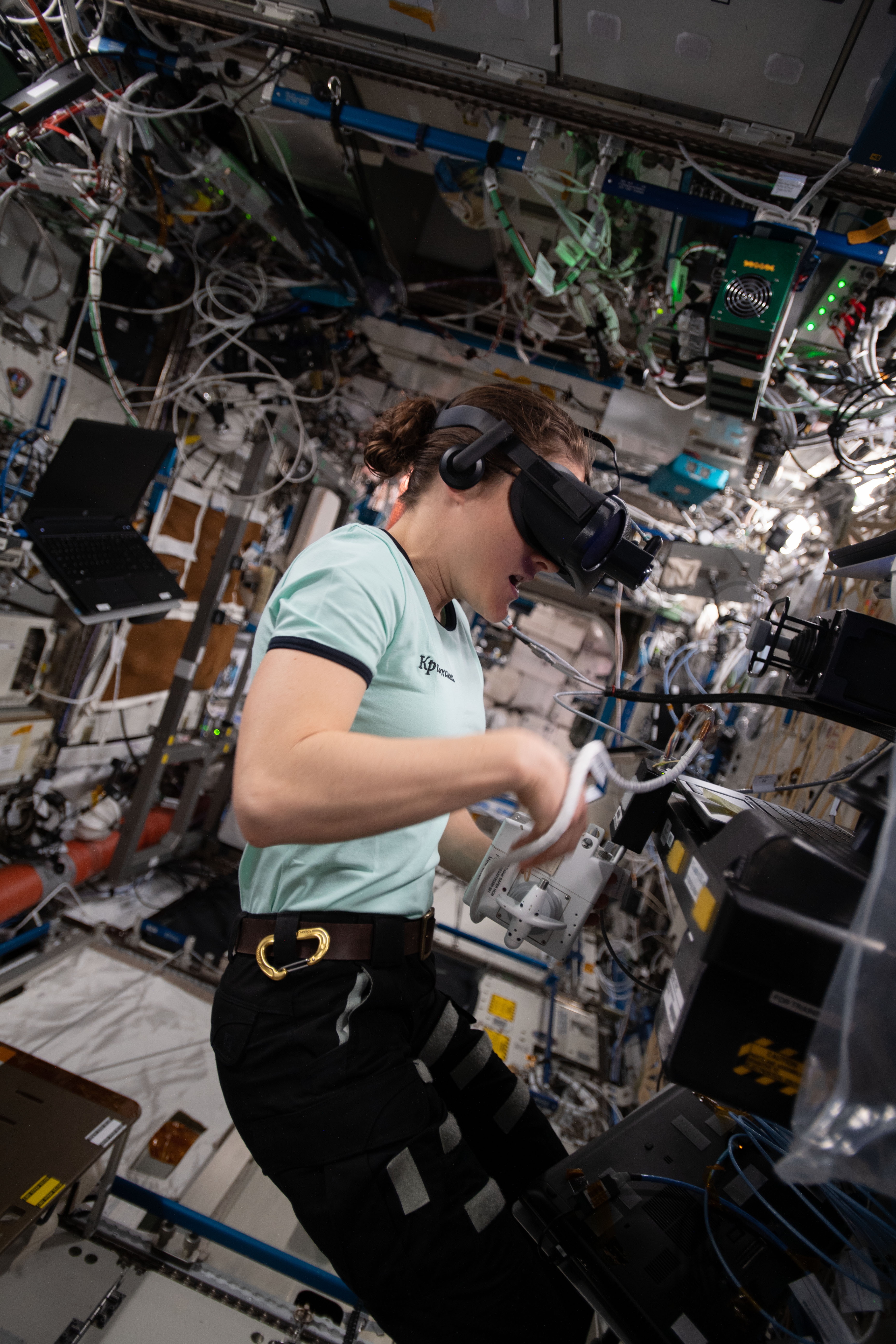
Virtual reality social skills training works by creating a simulated environment that mimics real-life social situations. Users wear a VR headset and interact with virtual characters, practicing social skills such as communication, empathy, and conflict resolution. The simulations are designed to be realistic and immersive, allowing users to feel as though they are actually in the situation. For example, a user may practice ordering food at a virtual restaurant, or engaging in a virtual job interview. Companies like Facebook and Google are also investing in VR technology, with applications in fields such as education and healthcare.
📊 Key Facts & Numbers
According to a study published in the Journal of Autism and Developmental Disorders, VR social skills training has been shown to be effective in improving social skills in individuals with autism. The study found that participants who received VR social skills training showed significant improvements in social skills, compared to those who received traditional training. Additionally, a study by the National Institute of Mental Health found that VR social skills training can be an effective treatment for social anxiety disorder. The study found that participants who received VR social skills training showed significant reductions in social anxiety symptoms, compared to those who received traditional treatment. With over 171 million people suffering from social anxiety disorder worldwide, VR social skills training has the potential to make a significant impact.
👥 Key People & Organizations
Key people and organizations involved in virtual reality social skills training include Jeremy Bailenson, a professor at Stanford University, and Cynthia Breazeal, a professor at MIT. Organizations such as Autism Society and Anxiety and Depression Association of America are also involved in promoting and developing VR social skills training. Companies like Oculus VR and HTC Vive are leading the development of VR technology, with applications in fields such as gaming, education, and healthcare.
🌍 Cultural Impact & Influence
Virtual reality social skills training has had a significant cultural impact, particularly in the fields of education and healthcare. It has been recognized as a innovative and effective approach to developing social skills, and has been featured in media outlets such as The New York Times and Forbes. The use of VR technology in social skills training has also sparked debates about the potential risks and benefits of using immersive technology for therapeutic purposes. For example, some experts have raised concerns about the potential for VR technology to exacerbate social isolation, while others have argued that it can provide a safe and controlled environment for individuals to practice social skills.
⚡ Current State & Latest Developments
Currently, virtual reality social skills training is being used in a variety of settings, including schools, hospitals, and mental health clinics. Researchers are also exploring the potential of VR social skills training for use in other fields, such as business and social work. With the advancement of VR technology, it is likely that VR social skills training will become even more widespread and effective. For example, companies like Salesforce and Microsoft are already using VR technology to train employees in social skills such as communication and teamwork.
🤔 Controversies & Debates
One of the controversies surrounding virtual reality social skills training is the potential for it to be used as a replacement for human interaction. Some experts have raised concerns that VR social skills training could exacerbate social isolation, rather than alleviating it. However, others argue that VR social skills training can provide a safe and controlled environment for individuals to practice social skills, which can ultimately lead to improved human interaction. For example, a study by the World Health Organization found that VR social skills training can be an effective tool for reducing social isolation in older adults.
🔮 Future Outlook & Predictions
In the future, it is likely that virtual reality social skills training will become even more advanced and widespread. Researchers are currently exploring the potential of using VR social skills training in conjunction with other therapies, such as cognitive-behavioral therapy. Additionally, the development of more advanced VR technology, such as augmented reality and mixed reality, is likely to further enhance the effectiveness of VR social skills training. For example, companies like Magic Leap and Apple are already developing augmented reality technology that can be used for social skills training.
💡 Practical Applications
Virtual reality social skills training has a variety of practical applications, including education, healthcare, and business. It can be used to train individuals with autism, anxiety disorders, and other social skills challenges, as well as to enhance social skills in individuals without these challenges. For example, companies like Deloitte and Ernst & Young are already using VR technology to train employees in social skills such as communication and teamwork.
Key Facts
- Year
- 2010
- Origin
- United States
- Category
- mental-health
- Type
- concept
Frequently Asked Questions
What is virtual reality social skills training?
Virtual reality social skills training is a type of therapy that uses immersive technology to help individuals develop social skills. It involves practicing social interactions in a simulated environment, which can help individuals build confidence and improve their social skills. For example, a user may practice ordering food at a virtual restaurant, or engaging in a virtual job interview.
How effective is virtual reality social skills training?
Studies have shown that virtual reality social skills training can be an effective way to improve social skills in individuals with autism, anxiety disorders, and other social skills challenges. However, more research is needed to fully understand its potential benefits and limitations. For example, a study by the National Institute of Mental Health found that VR social skills training can be an effective treatment for social anxiety disorder.
What are the potential risks and benefits of using virtual reality social skills training?
The potential benefits of virtual reality social skills training include improved social skills, increased confidence, and enhanced emotional intelligence. However, there are also potential risks, such as the potential for VR technology to exacerbate social isolation. More research is needed to fully understand the potential risks and benefits of using virtual reality social skills training. For example, a study by the World Health Organization found that VR social skills training can be an effective tool for reducing social isolation in older adults.
How is virtual reality social skills training used in education?
Virtual reality social skills training is being used in education to help students develop social skills, such as communication, empathy, and conflict resolution. It is also being used to support students with autism, anxiety disorders, and other social skills challenges. For example, schools like Harvard University and Stanford University are already using VR technology to train students in social skills such as communication and teamwork.
What are the potential applications of virtual reality social skills training in business?
Virtual reality social skills training has a variety of potential applications in business, including training employees in social skills such as communication, teamwork, and leadership. It can also be used to support employees with autism, anxiety disorders, and other social skills challenges. For example, companies like Deloitte and Ernst & Young are already using VR technology to train employees in social skills such as communication and teamwork.
How does virtual reality social skills training compare to traditional social skills training?
Virtual reality social skills training has several advantages over traditional social skills training, including the ability to practice social interactions in a safe and controlled environment. However, more research is needed to fully understand its potential benefits and limitations compared to traditional social skills training. For example, a study by the National Autism Association found that VR social skills training can be an effective tool for improving social skills in individuals with autism.
What are the potential limitations of virtual reality social skills training?
The potential limitations of virtual reality social skills training include the potential for VR technology to exacerbate social isolation, as well as the need for more research to fully understand its potential benefits and limitations. Additionally, VR social skills training may not be suitable for all individuals, particularly those with certain mental health conditions. For example, a study by the World Health Organization found that VR social skills training can be an effective tool for reducing social isolation in older adults, but may not be suitable for individuals with certain mental health conditions.
How can virtual reality social skills training be used to support individuals with autism?
Virtual reality social skills training can be used to support individuals with autism by providing a safe and controlled environment for them to practice social interactions. It can also be used to help individuals with autism develop social skills, such as communication, empathy, and conflict resolution. For example, a study by the National Autism Association found that VR social skills training can be an effective tool for improving social skills in individuals with autism.