
Contents
- 🌎 Introduction to Victims of War
- 💣 The History of Warfare and Its Impact on Civilians
- 🏛️ International Humanitarian Law and the Protection of Civilians
- 👥 The Human Cost of War: Refugee Crisis and Displacement
- 🤕 Physical and Psychological Trauma: The Long-Term Effects of War
- 📊 Statistics on Victims of War: A Jaw-Dropping Reality
- 🌟 The Role of International Organizations in Protecting Victims of War
- 🚫 Challenges in Providing Aid to Victims of War
- 🌎 Rebuilding and Recovery: The Road to Peace and Stability
- 👮 The Importance of Accountability and Justice for Victims of War
- 💬 The Voices of Victims of War: Personal Stories and Testimonies
- 🕊️ Conclusion: The Need for Peace and Protection of Human Rights
- Frequently Asked Questions
- Related Topics
Overview
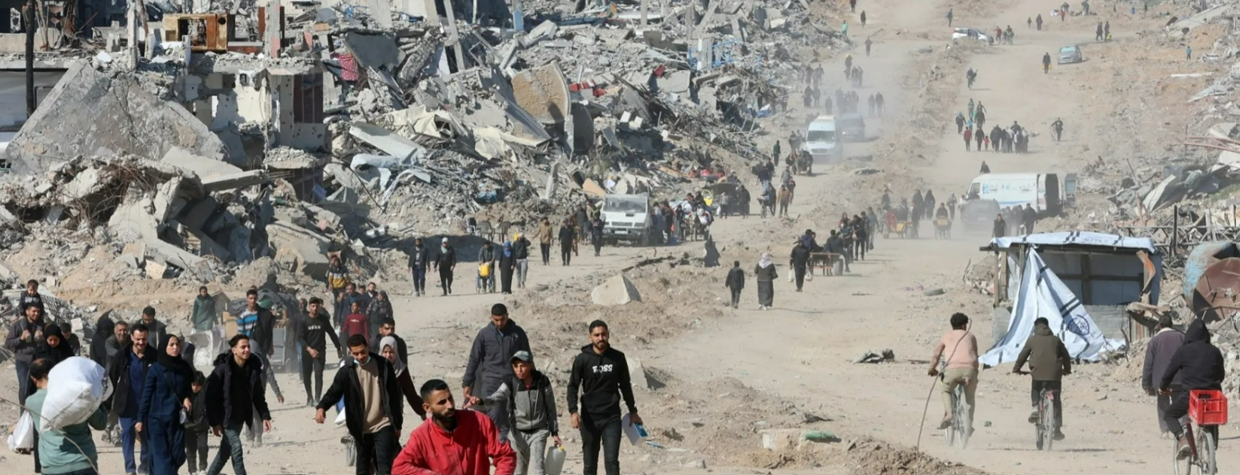
The impact of war on victims is a stark reminder of the devastating consequences of conflict. According to the United Nations, over 40 million people are currently displaced due to war, with 26 million refugees and 4.2 million asylum seekers. The Syrian Civil War, for example, has resulted in over 500,000 deaths and 6.7 million internally displaced people since 2011. The economic cost of war is also staggering, with the Iraq War estimated to have cost the US over $2.2 trillion. Furthermore, the environmental impact of war is often overlooked, with the use of depleted uranium and cluster bombs causing long-term damage to ecosystems. As we move forward, it's essential to consider the long-term effects of war on victims and the importance of promoting peaceful conflict resolution, with organizations like the International Committee of the Red Cross and the UN High Commissioner for Refugees working tirelessly to provide aid and support to those affected.
🌎 Introduction to Victims of War
The impact of war on civilians is a devastating reality that has been evident throughout history. War has been a constant companion to human civilization, leaving behind a trail of destruction, death, and displacement. The history of warfare is replete with examples of the human cost of conflict, from the World War I to the Syrian Civil War. As we reflect on the victims of war, it is essential to understand the complexities of international humanitarian law and its role in protecting civilians. The Red Cross and other humanitarian organizations have been working tirelessly to provide aid to those affected by war.
💣 The History of Warfare and Its Impact on Civilians
The history of warfare is a long and complex one, with various factors contributing to the outbreak of conflict. The causes of war can be attributed to a combination of political, economic, and social factors. The Cold War and the Vietnam War are examples of conflicts that had a significant impact on civilians. The Geneva Conventions and the Hague Conventions are essential components of international humanitarian law, aiming to protect civilians and prevent unnecessary suffering. However, the implementation of these laws is often challenging, and war crimes continue to be committed. The Nuremberg Trials and the International Criminal Court are examples of efforts to hold perpetrators accountable.
🏛️ International Humanitarian Law and the Protection of Civilians
International humanitarian law plays a crucial role in protecting civilians during times of war. The principles of international humanitarian law aim to prevent unnecessary suffering and protect civilians from the effects of war. The protection of civilians is a fundamental principle of international humanitarian law, and organizations such as the United Nations and the International Committee of the Red Cross work to ensure that civilians are protected. However, the implementation of these laws is often challenging, and challenges in international humanitarian law persist. The role of non-state actors in war further complicates the protection of civilians.
👥 The Human Cost of War: Refugee Crisis and Displacement
The human cost of war is evident in the refugee crisis and displacement of people. The refugee crisis is a pressing issue, with millions of people displaced due to conflict. The United Nations High Commissioner for Refugees and other organizations work to provide aid to refugees. However, the challenges in providing aid to refugees are significant, and the role of international organizations in refugee protection is crucial. The Kakuma Refugee Camp and the Zaatari Refugee Camp are examples of refugee camps that provide shelter to those displaced by war.
🤕 Physical and Psychological Trauma: The Long-Term Effects of War
The physical and psychological trauma caused by war can have long-term effects on individuals and communities. The physical trauma of war can result in injuries, disabilities, and death. The psychological trauma of war can lead to post-traumatic stress disorder (PTSD), depression, and anxiety. The role of mental health services in war is essential in providing support to those affected. The impact of war on children is particularly devastating, with many children experiencing trauma, displacement, and loss. The UNICEF and other organizations work to provide support to children affected by war.
📊 Statistics on Victims of War: A Jaw-Dropping Reality
The statistics on victims of war are staggering, with millions of people affected by conflict every year. The statistics on victims of war are a sobering reminder of the human cost of conflict. The number of refugees and internally displaced persons is in the millions, with many more affected by war. The economic cost of war is also significant, with billions of dollars spent on military operations and reconstruction efforts. The human cost of war is immeasurable, with countless lives lost, families torn apart, and communities destroyed. The Syrian Civil War and the Yemen Civil War are examples of conflicts that have had a devastating impact on civilians.
🌟 The Role of International Organizations in Protecting Victims of War
International organizations play a crucial role in protecting victims of war and providing aid to those affected. The United Nations and the International Committee of the Red Cross are examples of organizations that work to protect civilians and provide humanitarian aid. The role of non-governmental organizations in war is also significant, with many organizations providing aid and support to those affected. The Medecins Sans Frontières and the Oxfam are examples of non-governmental organizations that work to provide aid to those affected by war.
🚫 Challenges in Providing Aid to Victims of War
Despite the efforts of international organizations, providing aid to victims of war is often challenging. The challenges in providing aid to victims of war are significant, with many obstacles hindering the delivery of aid. The role of governments in providing aid is crucial, with governments providing funding and support to humanitarian efforts. The importance of coordination in humanitarian efforts is also essential, with organizations working together to provide aid effectively. The logistics of aid delivery can be complex, with many factors affecting the delivery of aid.
🌎 Rebuilding and Recovery: The Road to Peace and Stability
Rebuilding and recovery are essential components of the road to peace and stability. The rebuilding and recovery process involves many stakeholders, including governments, international organizations, and local communities. The role of international organizations in rebuilding and recovery is significant, with organizations providing funding, expertise, and support. The importance of community participation in rebuilding and recovery is also essential, with local communities playing a crucial role in the rebuilding process. The challenges in rebuilding and recovery are significant, with many obstacles hindering the rebuilding process.
👮 The Importance of Accountability and Justice for Victims of War
Accountability and justice are essential components of the response to victims of war. The importance of accountability in war is crucial, with those responsible for war crimes and human rights abuses held accountable. The role of the International Criminal Court is significant, with the court providing a mechanism for holding perpetrators accountable. The challenges in prosecuting war crimes are significant, with many obstacles hindering the prosecution of war crimes. The importance of victim compensation is also essential, with victims of war receiving compensation for their suffering.
💬 The Voices of Victims of War: Personal Stories and Testimonies
The voices of victims of war are a powerful reminder of the human cost of conflict. The personal stories of victims of war are a testament to the resilience and courage of those affected by war. The role of media in covering war is significant, with the media providing a platform for the voices of victims of war to be heard. The importance of amplifying the voices of victims of war is essential, with their stories and experiences informing policy and decision-making. The impact of war on women is particularly devastating, with many women experiencing trauma, displacement, and loss.
🕊️ Conclusion: The Need for Peace and Protection of Human Rights
In conclusion, the human cost of war is a devastating reality that requires immediate attention and action. The need for peace is essential, with all stakeholders working together to prevent conflict and protect civilians. The importance of protecting human rights is crucial, with human rights providing a foundation for peace and stability. The role of international organizations in protecting human rights is significant, with organizations working to promote and protect human rights. The future of war is uncertain, but one thing is clear: the human cost of war must be addressed, and all stakeholders must work together to prevent conflict and protect civilians.
Key Facts
- Year
- 2022
- Origin
- International Committee of the Red Cross, United Nations
- Category
- History, Politics, Human Rights
- Type
- Social Issue
Frequently Asked Questions
What is the definition of a victim of war?
A victim of war is an individual who has been affected by conflict, including those who have been injured, displaced, or killed. The definition of a victim of war is broad, encompassing not only those who have been directly affected by war but also those who have been indirectly affected, such as family members and communities. The United Nations and other organizations provide support to victims of war, including refugee aid and humanitarian aid.
What are the causes of war?
The causes of war are complex and multifaceted, involving a combination of political, economic, and social factors. The role of politics in war is significant, with political leaders and governments playing a crucial role in the outbreak of conflict. The economic causes of war are also important, with economic interests and resources often driving conflict. The social causes of war are also significant, with social and cultural factors contributing to the outbreak of conflict.
What is the role of international humanitarian law in protecting civilians?
The role of international humanitarian law is crucial in protecting civilians during times of war. The principles of international humanitarian law aim to prevent unnecessary suffering and protect civilians from the effects of war. The Geneva Conventions and the Hague Conventions are essential components of international humanitarian law, providing a framework for the protection of civilians. The International Committee of the Red Cross and other organizations work to promote and implement international humanitarian law.
What are the challenges in providing aid to victims of war?
The challenges in providing aid to victims of war are significant, with many obstacles hindering the delivery of aid. The role of governments in providing aid is crucial, with governments providing funding and support to humanitarian efforts. The importance of coordination in humanitarian efforts is also essential, with organizations working together to provide aid effectively. The logistics of aid delivery can be complex, with many factors affecting the delivery of aid.
What is the importance of accountability and justice for victims of war?
The importance of accountability in war is crucial, with those responsible for war crimes and human rights abuses held accountable. The role of the International Criminal Court is significant, with the court providing a mechanism for holding perpetrators accountable. The challenges in prosecuting war crimes are significant, with many obstacles hindering the prosecution of war crimes. The importance of victim compensation is also essential, with victims of war receiving compensation for their suffering.