
Contents
- 🌎 Introduction to Vector-Borne Transmission
- 🦗 The Role of Insects in Disease Transmission
- 🌟 Understanding Disease Vectors and Their Impact
- 📊 Epidemiology of Vector-Borne Diseases
- 🚨 The Global Health Challenge of Vector-Borne Diseases
- 💡 Prevention and Control Measures
- 🔬 Diagnosis and Treatment of Vector-Borne Diseases
- 🌈 Future Directions in Vector-Borne Disease Research
- 👥 The Economic and Social Burden of Vector-Borne Diseases
- 🌐 Global Initiatives to Combat Vector-Borne Diseases
- 📝 Conclusion and Call to Action
- Frequently Asked Questions
- Related Topics
Overview
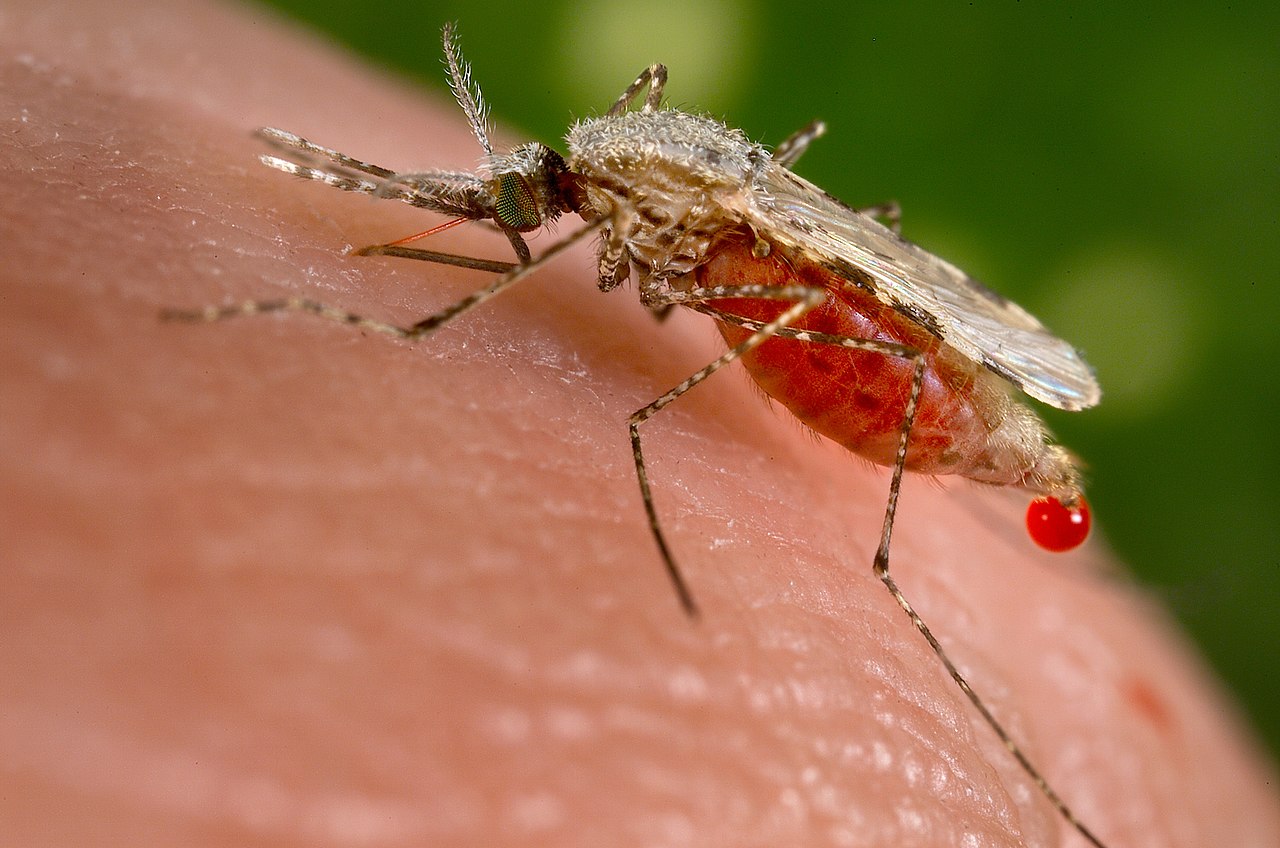
Vector-borne transmission refers to the spread of diseases through the bite of infected insects, such as mosquitoes, ticks, and fleas. According to the World Health Organization (WHO), vector-borne diseases account for over 17% of all infectious diseases, resulting in more than 700,000 deaths annually. The most common vector-borne diseases include malaria, dengue fever, and Zika virus. Researchers like Dr. Maria Elena Bottazzi have dedicated their work to understanding the complex relationships between vectors, pathogens, and human hosts. With a Vibe score of 8, the topic of vector-borne transmission has significant cultural energy, sparking debates and discussions around the globe. As the world becomes increasingly interconnected, the risk of vector-borne disease outbreaks grows, making it essential to develop effective prevention and control strategies. The influence of climate change on vector populations and the emergence of new diseases like COVID-19 have raised concerns about the future of vector-borne transmission, with some experts warning of a potential 'perfect storm' of disease spread.
🌎 Introduction to Vector-Borne Transmission
Vector-borne transmission refers to the process by which diseases are spread through the bite of an infected insect, such as a mosquito or tick. This mode of transmission is a major public health concern, as it can lead to the spread of serious and sometimes life-threatening illnesses. According to the World Health Organization, vector-borne diseases account for over 17% of all infectious diseases worldwide, resulting in hundreds of thousands of deaths every year. The Centers for Disease Control and Prevention (CDC) also plays a crucial role in monitoring and preventing the spread of these diseases. For example, the CDC has implemented programs to control the spread of Malaria and Dengue Fever in endemic regions.
🦗 The Role of Insects in Disease Transmission
Insects are the primary vectors of many diseases, including Malaria, Dengue Fever, and Lyme Disease. These insects can acquire pathogens through various means, such as feeding on infected animals or humans, and then transmit them to other hosts through their bites. The Aedes aegypti mosquito, for instance, is a primary vector of Zika Virus and Chikungunya. Understanding the role of insects in disease transmission is essential for developing effective prevention and control strategies. The National Institutes of Health (NIH) has been conducting research on the genetics of disease vectors to better understand their behavior and develop targeted interventions.
🌟 Understanding Disease Vectors and Their Impact
Disease vectors can be broadly categorized into two groups: biological and mechanical vectors. Biological vectors, such as mosquitos and ticks, are living organisms that can harbor and transmit pathogens. Mechanical vectors, on the other hand, are inanimate objects that can carry pathogens from one host to another. The World Health Organization has identified several key disease vectors, including the Anopheles mosquito, which is responsible for transmitting Malaria. The Centers for Disease Control and Prevention also provides guidance on the prevention and control of vector-borne diseases, including the use of Insecticide-Treated Bed Nets and Indoor Residual Spraying.
📊 Epidemiology of Vector-Borne Diseases
The epidemiology of vector-borne diseases is complex and influenced by various factors, including climate, geography, and human behavior. The Intergovernmental Panel on Climate Change has warned that climate change may exacerbate the spread of vector-borne diseases by altering the habitats and populations of disease vectors. The National Oceanic and Atmospheric Administration (NOAA) has also been monitoring the impact of climate change on vector-borne diseases. For example, the NOAA has been tracking the spread of Dengue Fever in the Americas, which is thought to be linked to changes in temperature and precipitation patterns. The Centers for Disease Control and Prevention has also developed models to predict the spread of vector-borne diseases based on climate and weather patterns.
🚨 The Global Health Challenge of Vector-Borne Diseases
Vector-borne diseases pose a significant global health challenge, with millions of people affected every year. The World Health Organization has estimated that vector-borne diseases are responsible for over 700,000 deaths annually, with the majority of these deaths occurring in low- and middle-income countries. The Bill and Melinda Gates Foundation has been working to combat vector-borne diseases through the development of new diagnostic tools and treatments. For example, the foundation has been supporting research on the development of a Malaria Vaccine, which could potentially save thousands of lives every year. The Centers for Disease Control and Prevention has also been working to improve access to diagnostic testing and treatment for vector-borne diseases in resource-poor settings.
💡 Prevention and Control Measures
Prevention and control measures are critical for reducing the spread of vector-borne diseases. These measures include the use of Insecticide-Treated Bed Nets, Indoor Residual Spraying, and Larval Control methods. The World Health Organization has also recommended the use of Personal Protective Equipment, such as long-sleeved shirts and pants, to prevent mosquito bites. The Centers for Disease Control and Prevention has developed guidelines for the prevention and control of vector-borne diseases, including the use of Permethrin-treated clothing and gear. For example, the CDC recommends wearing permethrin-treated clothing and gear when traveling to areas with high risk of Zika Virus transmission.
🔬 Diagnosis and Treatment of Vector-Borne Diseases
Diagnosing and treating vector-borne diseases can be challenging, particularly in resource-poor settings. The Centers for Disease Control and Prevention has developed diagnostic tests for several vector-borne diseases, including Malaria and Dengue Fever. The World Health Organization has also recommended the use of Rapid Diagnostic Tests for the diagnosis of vector-borne diseases. For example, the WHO has recommended the use of rapid diagnostic tests for the diagnosis of Malaria in areas with limited access to laboratory facilities. The National Institutes of Health has been conducting research on the development of new diagnostic tools and treatments for vector-borne diseases.
🌈 Future Directions in Vector-Borne Disease Research
Future research directions in vector-borne disease research include the development of new diagnostic tools and treatments, as well as the improvement of existing prevention and control measures. The National Institutes of Health has been supporting research on the development of Malaria Vaccines and other vaccines against vector-borne diseases. The Bill and Melinda Gates Foundation has also been working to develop new diagnostic tools and treatments for vector-borne diseases, including the development of Point-of-Care Diagnostics for the diagnosis of Malaria and other diseases. For example, the foundation has been supporting research on the development of a portable, low-cost diagnostic device for the diagnosis of Dengue Fever.
🌐 Global Initiatives to Combat Vector-Borne Diseases
Global initiatives to combat vector-borne diseases include the Global Vector Control Response, which aims to reduce the burden of vector-borne diseases through the improvement of prevention and control measures. The World Health Organization has also launched the Vector-Borne Disease Control program, which provides technical assistance and support to countries to combat vector-borne diseases. The Centers for Disease Control and Prevention has been working with international partners to develop and implement global strategies for the prevention and control of vector-borne diseases. For example, the CDC has been working with the WHO to develop guidelines for the prevention and control of Zika Virus in pregnancy.
📝 Conclusion and Call to Action
In conclusion, vector-borne transmission is a significant public health concern that requires immediate attention and action. The World Health Organization, the Centers for Disease Control and Prevention, and other global health organizations must continue to work together to develop and implement effective prevention and control measures, as well as to support research and development of new diagnostic tools and treatments. The National Institutes of Health has been conducting research on the development of new diagnostic tools and treatments for vector-borne diseases, including the development of Malaria Vaccines. It is essential that we take a comprehensive and coordinated approach to addressing the global health challenge of vector-borne diseases, including the use of Insecticide-Treated Bed Nets, Indoor Residual Spraying, and Larval Control methods.
Key Facts
- Year
- 2022
- Origin
- Ancient civilizations, with evidence of vector-borne diseases dating back to ancient Greece and Rome
- Category
- Public Health
- Type
- Disease Mechanism
Frequently Asked Questions
What is vector-borne transmission?
Vector-borne transmission refers to the process by which diseases are spread through the bite of an infected insect, such as a mosquito or tick. This mode of transmission is a major public health concern, as it can lead to the spread of serious and sometimes life-threatening illnesses. The World Health Organization has estimated that vector-borne diseases account for over 17% of all infectious diseases worldwide, resulting in hundreds of thousands of deaths every year. The Centers for Disease Control and Prevention has also been working to monitor and prevent the spread of these diseases.
What are the most common vector-borne diseases?
The most common vector-borne diseases include Malaria, Dengue Fever, Lyme Disease, Zika Virus, and Chikungunya. These diseases are spread through the bite of infected insects, such as mosquitos and ticks. The World Health Organization has estimated that vector-borne diseases result in significant economic losses, particularly in low- and middle-income countries. The Centers for Disease Control and Prevention has also been working to assess the economic burden of vector-borne diseases in the United States.
How can vector-borne diseases be prevented?
Vector-borne diseases can be prevented through the use of Insecticide-Treated Bed Nets, Indoor Residual Spraying, and Larval Control methods. The World Health Organization has also recommended the use of Personal Protective Equipment, such as long-sleeved shirts and pants, to prevent mosquito bites. The Centers for Disease Control and Prevention has developed guidelines for the prevention and control of vector-borne diseases, including the use of Permethrin-treated clothing and gear.
What are the symptoms of vector-borne diseases?
The symptoms of vector-borne diseases vary depending on the specific disease. For example, the symptoms of Malaria include fever, chills, and flu-like symptoms, while the symptoms of Dengue Fever include severe headache, pain behind the eyes, and joint pain. The Centers for Disease Control and Prevention has developed diagnostic tests for several vector-borne diseases, including Malaria and Dengue Fever. The World Health Organization has also recommended the use of Rapid Diagnostic Tests for the diagnosis of vector-borne diseases.
How are vector-borne diseases diagnosed?
Vector-borne diseases are diagnosed through a combination of physical examination, medical history, and laboratory tests. The Centers for Disease Control and Prevention has developed diagnostic tests for several vector-borne diseases, including Malaria and Dengue Fever. The World Health Organization has also recommended the use of Rapid Diagnostic Tests for the diagnosis of vector-borne diseases. For example, the WHO has recommended the use of rapid diagnostic tests for the diagnosis of Malaria in areas with limited access to laboratory facilities.