
Contents
- 🏥 Introduction to Vascular Surgery
- 💉 History and Evolution of Vascular Surgery
- 🔍 Diagnosis and Management of Vascular Diseases
- 👨⚕️ The Role of Vascular Surgeons
- 💊 Medical Management of Vascular Diseases
- 🔪 Open Surgery Techniques in Vascular Surgery
- 📈 Endovascular Techniques in Vascular Surgery
- 🤝 Collaboration and Assistance in Vascular Surgery
- 📊 Challenges and Controversies in Vascular Surgery
- 🔮 Future Directions in Vascular Surgery
- 📚 Conclusion and Further Reading
- Frequently Asked Questions
- Related Topics
Overview
Vascular surgery has come a long way since the first recorded procedures in ancient Egypt around 1550 BCE. Today, it's a high-tech, high-stakes field that requires precision, skill, and a deep understanding of human anatomy. With the rise of endovascular surgery, minimally invasive procedures have become the norm, reducing recovery times and improving patient outcomes. However, the field is not without its challenges, including the ongoing debate over the best treatment options for conditions like aortic aneurysms and peripheral artery disease. As medical technology continues to advance, vascular surgeons are poised to push the boundaries of what's possible, with some predicting that robotic surgery will become the standard of care within the next decade. With a projected global market size of $12.3 billion by 2025, the vascular surgery industry is on the cusp of a revolution, driven by innovation, competition, and a growing demand for effective treatments.
🏥 Introduction to Vascular Surgery
Vascular surgery is a complex and high-stakes field that requires a deep understanding of the vascular system and its many diseases. As a subspecialty of surgery, vascular surgery has evolved significantly over the years, with advances in medical therapy, minimally-invasive catheter procedures, and surgical reconstruction. Vascular surgeons are trained to diagnose and manage diseases affecting all parts of the vascular system, excluding the coronaries and intracranial vasculature, and often work closely with other physicians to carry out surgery near vessels or to salvage vascular injuries. For more information on the vascular system, see Vascular System. The management of vascular diseases is a critical aspect of vascular surgery, and surgeons must be well-versed in the latest techniques and technologies, including Endovascular Surgery.
💉 History and Evolution of Vascular Surgery
The history of vascular surgery is closely tied to the development of general and cardiovascular surgery. As the field of surgery evolved, vascular surgery emerged as a distinct subspecialty, with a focus on the management of vascular diseases. The first successful vascular surgery procedures were performed in the early 20th century, and since then, the field has continued to advance, with the introduction of new technologies and techniques, such as Angioplasty and Stenting. Today, vascular surgeons are trained in a range of procedures, from open surgery to endovascular techniques, and work closely with other physicians to provide comprehensive care to patients with vascular diseases. For more information on the history of vascular surgery, see History of Vascular Surgery. The development of vascular surgery has also been influenced by advances in Medical Imaging.
🔍 Diagnosis and Management of Vascular Diseases
The diagnosis and management of vascular diseases is a critical aspect of vascular surgery. Vascular surgeons use a range of diagnostic tools, including Ultrasound and Angiography, to diagnose and manage diseases affecting the vascular system. They also work closely with other physicians, such as Cardiologists and Radiologists, to provide comprehensive care to patients with vascular diseases. The management of vascular diseases often involves a combination of medical therapy, minimally-invasive catheter procedures, and surgical reconstruction. For more information on the diagnosis and management of vascular diseases, see Vascular Disease. Vascular surgeons must also be aware of the latest advances in Vascular Medicine.
👨⚕️ The Role of Vascular Surgeons
Vascular surgeons play a critical role in the diagnosis and management of vascular diseases. They are trained to perform a range of procedures, from open surgery to endovascular techniques, and work closely with other physicians to provide comprehensive care to patients with vascular diseases. Vascular surgeons are also called upon to assist other physicians in carrying out surgery near vessels or to salvage vascular injuries, such as hemorrhage control, dissection, occlusion, or simply for safe exposure of vascular structures. For more information on the role of vascular surgeons, see Vascular Surgeon. The training and education of vascular surgeons is critical to their success, and involves a combination of Medical School and Residency Programs.
💊 Medical Management of Vascular Diseases
Medical management of vascular diseases is a critical aspect of vascular surgery. Vascular surgeons use a range of medications and other therapies to manage diseases affecting the vascular system, and work closely with other physicians to provide comprehensive care to patients with vascular diseases. The medical management of vascular diseases often involves a combination of lifestyle modifications, medications, and other therapies, such as Anticoagulation Therapy and Antiplatelet Therapy. For more information on the medical management of vascular diseases, see Medical Management of Vascular Diseases. Vascular surgeons must also be aware of the latest advances in Pharmacology and Therapeutics.
🔪 Open Surgery Techniques in Vascular Surgery
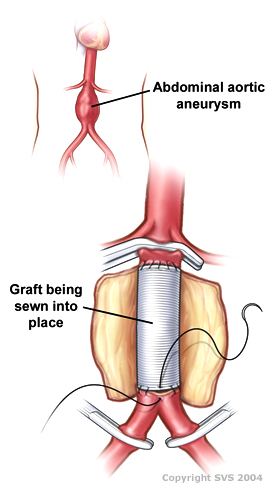
Open surgery techniques are a critical aspect of vascular surgery. Vascular surgeons are trained to perform a range of open surgery procedures, from bypass surgery to aneurysm repair, and work closely with other physicians to provide comprehensive care to patients with vascular diseases. Open surgery techniques involve the use of surgical incisions to access the vascular system, and require a high degree of skill and precision. For more information on open surgery techniques, see Open Surgery. The development of open surgery techniques has been influenced by advances in Surgical Instruments and Surgical Techniques.
📈 Endovascular Techniques in Vascular Surgery
Endovascular techniques are a minimally-invasive approach to vascular surgery. Vascular surgeons use a range of endovascular procedures, such as Angioplasty and Stenting, to diagnose and manage diseases affecting the vascular system. Endovascular techniques involve the use of small incisions and catheters to access the vascular system, and require a high degree of skill and precision. For more information on endovascular techniques, see Endovascular Techniques. The development of endovascular techniques has been influenced by advances in Medical Imaging and Catheter Technology.
🤝 Collaboration and Assistance in Vascular Surgery
Collaboration and assistance are critical aspects of vascular surgery. Vascular surgeons often work closely with other physicians, such as Cardiologists and Radiologists, to provide comprehensive care to patients with vascular diseases. They are also called upon to assist other physicians in carrying out surgery near vessels or to salvage vascular injuries, such as hemorrhage control, dissection, occlusion, or simply for safe exposure of vascular structures. For more information on collaboration and assistance in vascular surgery, see Collaboration in Vascular Surgery. The importance of teamwork in vascular surgery cannot be overstated, and involves a combination of Communication and Coordination.
📊 Challenges and Controversies in Vascular Surgery
Challenges and controversies are a natural part of any medical field, and vascular surgery is no exception. Vascular surgeons must be aware of the latest advances and controversies in the field, and be prepared to address them in their practice. Some of the challenges and controversies in vascular surgery include the use of Endovascular Surgery versus open surgery, the management of Vascular Disease in different patient populations, and the role of Medical Therapy in the management of vascular diseases. For more information on the challenges and controversies in vascular surgery, see Challenges in Vascular Surgery. The ongoing debate about the best approach to vascular surgery is a testament to the complexity and nuance of the field, and involves a combination of Evidence-Based Medicine and Clinical Judgment.
🔮 Future Directions in Vascular Surgery
The future of vascular surgery is exciting and rapidly evolving. Advances in medical therapy, minimally-invasive catheter procedures, and surgical reconstruction are continually improving the diagnosis and management of vascular diseases. Vascular surgeons must be aware of the latest advances and technologies, and be prepared to incorporate them into their practice. Some of the future directions in vascular surgery include the use of Robotic Surgery, Artificial Intelligence, and Personalized Medicine. For more information on the future of vascular surgery, see Future of Vascular Surgery. The potential for innovation and advancement in vascular surgery is vast, and involves a combination of Research and Development and Clinical Innovation.
📚 Conclusion and Further Reading
In conclusion, vascular surgery is a complex and high-stakes field that requires a deep understanding of the vascular system and its many diseases. Vascular surgeons play a critical role in the diagnosis and management of vascular diseases, and must be aware of the latest advances and controversies in the field. The future of vascular surgery is exciting and rapidly evolving, with advances in medical therapy, minimally-invasive catheter procedures, and surgical reconstruction continually improving the diagnosis and management of vascular diseases. For more information on vascular surgery, see Vascular Surgery. The importance of ongoing education and training in vascular surgery cannot be overstated, and involves a combination of Continuing Medical Education and Professional Development.
Key Facts
- Year
- 2023
- Origin
- Ancient Egypt, circa 1550 BCE
- Category
- Medicine
- Type
- Medical Specialty
Frequently Asked Questions
What is vascular surgery?
Vascular surgery is a surgical subspecialty that involves the management of vascular diseases affecting the arteries, veins, or lymphatic vessels. Vascular surgeons use a range of medical therapies, minimally-invasive catheter procedures, and surgical reconstruction to diagnose and manage vascular diseases. For more information on vascular surgery, see Vascular Surgery. The goal of vascular surgery is to improve the patient's quality of life and reduce the risk of complications. Vascular surgeons must be aware of the latest advances and controversies in the field, and be prepared to address them in their practice.
What are the different types of vascular surgery?
There are several different types of vascular surgery, including open surgery, endovascular surgery, and medical management of vascular diseases. Open surgery involves the use of surgical incisions to access the vascular system, while endovascular surgery involves the use of small incisions and catheters to access the vascular system. Medical management of vascular diseases involves the use of medications and other therapies to manage vascular diseases. For more information on the different types of vascular surgery, see Types of Vascular Surgery. The choice of surgical approach depends on the specific disease and patient population.
What are the risks and benefits of vascular surgery?
The risks and benefits of vascular surgery vary depending on the specific procedure and patient population. Some of the potential risks of vascular surgery include bleeding, infection, and nerve damage, while some of the potential benefits include improved blood flow, reduced pain, and improved quality of life. For more information on the risks and benefits of vascular surgery, see Risks and Benefits of Vascular Surgery. The decision to undergo vascular surgery should be made after careful consideration of the potential risks and benefits, and in consultation with a qualified vascular surgeon.
How do I find a qualified vascular surgeon?
To find a qualified vascular surgeon, you can ask your primary care physician for a referral, or search online for vascular surgeons in your area. You can also check with your insurance provider to see if they have a list of recommended vascular surgeons. For more information on finding a qualified vascular surgeon, see Finding a Qualified Vascular Surgeon. The importance of finding a qualified and experienced vascular surgeon cannot be overstated, and involves a combination of Research and Due Diligence.
What is the recovery time for vascular surgery?
The recovery time for vascular surgery varies depending on the specific procedure and patient population. Some vascular surgery procedures, such as endovascular surgery, may have a relatively short recovery time, while others, such as open surgery, may require a longer recovery time. For more information on the recovery time for vascular surgery, see Recovery Time for Vascular Surgery. The recovery process involves a combination of Rest, Rehabilitation, and Follow-up Care.
Can vascular surgery be performed on an outpatient basis?
Yes, some vascular surgery procedures can be performed on an outpatient basis. Endovascular surgery, for example, is often performed on an outpatient basis, and may not require an overnight hospital stay. However, other vascular surgery procedures, such as open surgery, may require an overnight hospital stay. For more information on outpatient vascular surgery, see Outpatient Vascular Surgery. The decision to perform vascular surgery on an outpatient basis depends on the specific procedure and patient population, and involves a combination of Clinical Judgment and Patient Selection.
What are the alternatives to vascular surgery?
The alternatives to vascular surgery depend on the specific disease and patient population. Some alternatives to vascular surgery may include medical management of vascular diseases, such as the use of medications and lifestyle modifications. For more information on the alternatives to vascular surgery, see Alternatives to Vascular Surgery. The decision to pursue an alternative to vascular surgery should be made after careful consideration of the potential risks and benefits, and in consultation with a qualified vascular surgeon.