
Contents
- 🏯 Introduction to Nalanda University
- 📚 History of Nalanda University
- 👨🎓 Notable Alumni and Faculty
- 🏫 Architecture and Infrastructure
- 📖 Curriculum and Education
- 🕊️ Decline and Revival
- 🌎 Cultural Significance and Impact
- 📚 Preservation and Restoration Efforts
- 👥 International Collaborations and Influence
- 🔮 Future Prospects and Challenges
- Frequently Asked Questions
- Related Topics
Overview
The University of Nalanda, established in the 5th century AD, was a renowned center of learning in ancient India, attracting scholars from across Asia and the world. With a vast array of subjects, including Buddhism, Hinduism, mathematics, and medicine, Nalanda's curriculum was diverse and comprehensive. The university's influence extended beyond India, with notable alumni such as the Buddhist monk Xuanzang, who traveled to China and translated numerous Buddhist scriptures. Despite being destroyed by invaders in the 12th century, Nalanda's legacy continues to inspire modern institutions, including the revived Nalanda University, established in 2014. With a vibe score of 8, Nalanda's rich history and cultural significance make it a fascinating topic of study. As we look to the future, it's intriguing to consider how Nalanda's ancient wisdom can inform contemporary approaches to education and knowledge-sharing.
🏯 Introduction to Nalanda University
The University of Nalanda, located in present-day Bihar, India, is one of the oldest and most renowned institutions of higher learning in the world. Founded in the 5th century AD, Nalanda University was a major center of learning and intellectual inquiry, attracting scholars and students from across Ancient India and beyond. The university's curriculum included a wide range of subjects, including Buddhism, Hinduism, Jainism, and Ayurveda. With a rich history spanning over 800 years, Nalanda University played a significant role in shaping the intellectual and cultural landscape of Asia. Today, the university is recognized as a UNESCO World Heritage Site and continues to inspire and educate people around the world.
📚 History of Nalanda University
The history of Nalanda University is a long and complex one, with periods of growth and decline. Founded during the reign of the Guptan Empire, the university flourished under the patronage of various rulers, including the Pala Empire. During its heyday, Nalanda University was home to over 10,000 students and 2,000 teachers, making it one of the largest and most prestigious institutions of its time. The university's library, which housed a vast collection of manuscripts and texts, was particularly renowned for its Sanskrit literature and Buddhist scriptures. Despite facing numerous challenges and setbacks, including the Mongol invasions, Nalanda University continued to thrive until its eventual decline in the 13th century.
👨🎓 Notable Alumni and Faculty
Nalanda University has a long list of notable alumni and faculty, including some of the most influential thinkers and scholars of their time. One of the most famous alumni is Nagarjuna, a renowned Buddhist philosopher and Mahayana Buddhism scholar. Other notable figures associated with the university include Aryabhata, a mathematician and astronomer who made significant contributions to the field of Indian astronomy, and Dharmakirti, a Buddhist philosopher and logician. The university's faculty also included scholars from various fields, including Ayurvedic medicine and Indian philosophy.
🏫 Architecture and Infrastructure
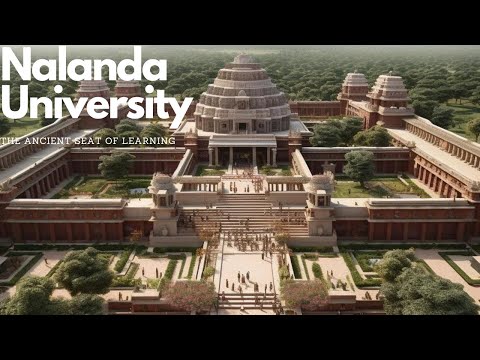
The architecture and infrastructure of Nalanda University were designed to facilitate learning and intellectual inquiry. The university's campus was spread over 14 hectares of land and included a range of buildings, including classrooms, libraries, and dormitories. The university's iconic Stupa was a prominent feature of the campus and served as a symbol of the institution's commitment to Buddhist education. The university's design also incorporated various Indian architectural styles, including the Guptan architectural style. With its impressive architecture and state-of-the-art infrastructure, Nalanda University was a marvel of its time and continues to inspire wonder and awe today.
📖 Curriculum and Education
The curriculum at Nalanda University was diverse and comprehensive, covering a wide range of subjects and disciplines. Students could pursue courses in Buddhist studies, Hindu studies, Jain studies, and secular studies, among others. The university's education system was based on the Gurukula system, where students lived and studied with their teachers in a residential setting. This approach allowed for a more personalized and immersive learning experience, and helped to foster a sense of community and camaraderie among students and faculty. With its emphasis on critical thinking, intellectual curiosity, and interdisciplinary studies, Nalanda University's curriculum was truly ahead of its time.
🕊️ Decline and Revival
Despite its many achievements and contributions, Nalanda University eventually declined and was abandoned in the 13th century. The university's decline was due to a combination of factors, including the Mongol invasions and the rise of Islamic invasions in India. The university's library and manuscripts were destroyed, and many of its scholars and students were forced to flee. However, in recent years, there has been a renewed interest in reviving and restoring Nalanda University, with efforts underway to rebuild the institution and revive its academic programs. The Nalanda University revival is a testament to the enduring legacy and significance of this ancient institution.
🌎 Cultural Significance and Impact
Nalanda University has had a profound impact on the cultural and intellectual landscape of Asia and beyond. The university's emphasis on Buddhist studies and Hindu studies helped to shape the spiritual and philosophical traditions of the region, while its contributions to Indian philosophy and Indian science continue to influence scholars and thinkers today. The university's legacy can also be seen in the many Buddhist monasteries and Hindu temples that were established throughout Asia during the medieval period. With its rich cultural heritage and intellectual traditions, Nalanda University remains an important symbol of Indian culture and Asian culture.
📚 Preservation and Restoration Efforts
Efforts are underway to preserve and restore Nalanda University, including the establishment of a new university on the site of the ancient institution. The Nalanda University revival is a major initiative that aims to recreate the academic programs and intellectual traditions of the ancient university. The project involves the construction of new buildings and facilities, as well as the development of academic programs and research initiatives. The Archaeological Survey of India is also involved in the preservation and restoration of the ancient site, with efforts underway to excavate and conserve the university's ruins. With its rich history and cultural significance, Nalanda University is an important part of India's cultural heritage, and its preservation and restoration are essential for the country's intellectual and cultural development.
👥 International Collaborations and Influence
Nalanda University has a long history of international collaborations and influence, with scholars and students from across Asia and beyond contributing to its academic programs and research initiatives. The university's emphasis on Buddhist studies and Hindu studies helped to establish it as a major center of learning and intellectual inquiry, attracting scholars and students from as far afield as China, Tibet, and Korea. Today, the university's legacy continues to inspire and influence scholars and thinkers around the world, with many institutions and organizations seeking to recreate its academic programs and intellectual traditions. With its global reach and influence, Nalanda University remains an important symbol of Indian culture and Asian culture.
🔮 Future Prospects and Challenges
As Nalanda University looks to the future, it faces a number of challenges and opportunities. The Nalanda University revival is a major initiative that aims to recreate the academic programs and intellectual traditions of the ancient university, but it will require significant investment and support. The university will also need to navigate the complexities of modern higher education, including the challenges of globalization and the increasing demand for online education. However, with its rich history and cultural significance, Nalanda University is well-placed to thrive in the 21st century, and to continue to inspire and educate people around the world.
Key Facts
- Year
- 427
- Origin
- Nalanda, Bihar, India
- Category
- Education, History, Culture
- Type
- Historical Institution
Frequently Asked Questions
What was the significance of Nalanda University in ancient India?
Nalanda University was a major center of learning and intellectual inquiry in ancient India, attracting scholars and students from across the region and beyond. It was known for its diverse and comprehensive curriculum, which included subjects such as Buddhism, Hinduism, Jainism, and Ayurveda. The university's emphasis on critical thinking, intellectual curiosity, and interdisciplinary studies helped to shape the intellectual and cultural landscape of ancient India.
Who were some of the notable alumni and faculty of Nalanda University?
Nalanda University has a long list of notable alumni and faculty, including Nagarjuna, Aryabhata, and Dharmakirti. These scholars and thinkers made significant contributions to their fields, and helped to establish Nalanda University as a major center of learning and intellectual inquiry.
What was the architecture and infrastructure of Nalanda University like?
The architecture and infrastructure of Nalanda University were designed to facilitate learning and intellectual inquiry. The university's campus was spread over 14 hectares of land and included a range of buildings, including classrooms, libraries, and dormitories. The university's iconic Stupa was a prominent feature of the campus and served as a symbol of the institution's commitment to Buddhist education.
What is the current status of Nalanda University?
Nalanda University is currently being revived and restored, with efforts underway to rebuild the institution and revive its academic programs. The Nalanda University revival is a major initiative that aims to recreate the academic programs and intellectual traditions of the ancient university, and to establish it as a major center of learning and intellectual inquiry in the 21st century.
What is the cultural significance of Nalanda University?
Nalanda University has a profound impact on the cultural and intellectual landscape of Asia and beyond. The university's emphasis on Buddhist studies and Hindu studies helped to shape the spiritual and philosophical traditions of the region, while its contributions to Indian philosophy and Indian science continue to influence scholars and thinkers today.
How can I learn more about Nalanda University?
There are many resources available for learning more about Nalanda University, including books, articles, and online courses. The university's website and social media channels also provide a wealth of information about its history, academic programs, and research initiatives. Additionally, visitors can tour the university's campus and explore its ruins, which provide a glimpse into the institution's rich history and cultural significance.
What are the future prospects and challenges of Nalanda University?
As Nalanda University looks to the future, it faces a number of challenges and opportunities. The Nalanda University revival is a major initiative that aims to recreate the academic programs and intellectual traditions of the ancient university, but it will require significant investment and support. The university will also need to navigate the complexities of modern higher education, including the challenges of globalization and the increasing demand for online education.