
Contents
- 📚 Introduction to United States Language Policy
- 🗣️ Historical Context of Language Policy in the US
- 📊 Language Demographics and Their Impact on Policy
- 📜 Federal Language Laws and Regulations
- 👥 State and Local Language Policies
- 🏫 Language Policy in Education
- 📢 Language Access and Civil Rights
- 🤝 Bilingualism and Multilingualism in the US
- 📊 Economic Impact of Language Policy
- 🌎 Global Implications of US Language Policy
- 📝 Challenges and Controversies in Language Policy
- 🔮 Future Directions in US Language Policy
- Frequently Asked Questions
- Related Topics
Overview
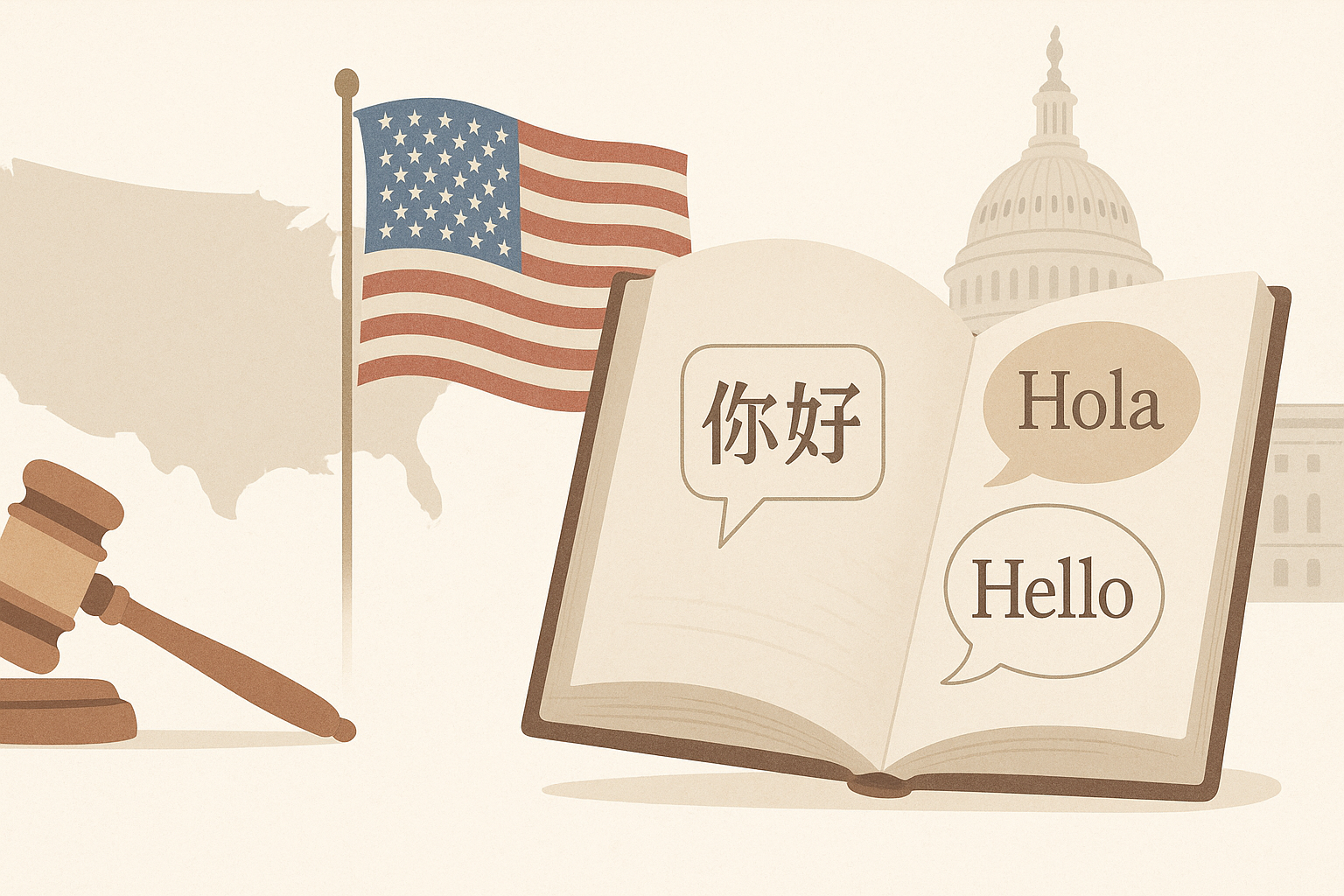
The United States language policy has been shaped by its history of immigration, colonialism, and cultural diversity. The country has no official language at the federal level, but English is the most widely spoken and has been the de facto national language since the 18th century. However, there have been numerous debates and controversies surrounding language rights, particularly with regards to the rights of minority language speakers, such as Spanish, Chinese, and Native American languages. The 1964 Civil Rights Act and the 1974 Equal Educational Opportunities Act have been instrumental in promoting language access and equity, but challenges persist, including the ongoing debate over bilingual education and the use of language proficiency tests in education and employment. According to a 2020 report by the US Census Bureau, over 350 languages are spoken in the United States, with 21% of the population speaking a language other than English at home. The language policy landscape is likely to continue evolving, with ongoing discussions around language access, cultural preservation, and the impact of technology on language use and education. For instance, the use of machine learning algorithms in language translation and language assessment has raised concerns about bias and accuracy, highlighting the need for more nuanced and context-specific approaches to language policy.
📚 Introduction to United States Language Policy
The United States has a complex and evolving language policy, influenced by its history as a nation of immigrants and its status as a global leader. The US has no official language at the federal level, but English is the most widely spoken language and is often considered the de facto national language. However, there are also many other languages spoken in the US, including Spanish, Mandarin Chinese, and Arabic. The US language policy is shaped by a variety of factors, including immigration policy, education policy, and civil rights. For example, the Bilingual Education Act of 1968 aimed to support students who speak languages other than English at home.
🗣️ Historical Context of Language Policy in the US
The historical context of language policy in the US is closely tied to the country's history of immigration and colonization. The US has a long history of language diversity, with many indigenous languages spoken before the arrival of European colonizers. However, the English language became the dominant language in the US, and many other languages were suppressed or marginalized. The Native American languages, for example, were often suppressed in favor of English, and many Native American students were forced to attend boarding schools where they were punished for speaking their native languages. The Latin American immigration to the US has also had a significant impact on the country's language policy, with many Spanish-speaking immigrants arriving in the US in recent decades.
📊 Language Demographics and Their Impact on Policy
The language demographics of the US are changing rapidly, with many languages spoken across the country. According to the US Census Bureau, there are over 350 languages spoken in the US, and more than 60 million people speak a language other than English at home. The Hispanic population is one of the fastest-growing demographic groups in the US, and Spanish is the second most widely spoken language in the country. The Asian American population is also growing rapidly, with many languages spoken, including Mandarin Chinese, Korean, and Vietnamese. These demographic changes are having a significant impact on language policy in the US, with many schools and government agencies struggling to provide language access to diverse populations.
📜 Federal Language Laws and Regulations
Federal language laws and regulations play a crucial role in shaping language policy in the US. The Civil Rights Act of 1964 prohibits discrimination based on national origin, which includes language. The Language Access provisions of the Civil Rights Act require federal agencies to provide language access to limited English proficient (LEP) individuals. The Equal Educational Opportunities Act of 1974 requires schools to provide equal educational opportunities to students who speak languages other than English. However, the implementation of these laws and regulations is often inconsistent, and many language minority students and individuals continue to face barriers to language access.
👥 State and Local Language Policies
State and local language policies also play a significant role in shaping language policy in the US. Some states, such as California and New Mexico, have official languages other than English, while others, such as Arizona and Alabama, have passed laws restricting the use of languages other than English. Many cities and counties also have their own language policies, with some providing language access to diverse populations and others restricting the use of languages other than English. For example, the city of San Francisco has a Language Access Ordinance that requires city agencies to provide language access to LEP individuals.
🏫 Language Policy in Education
Language policy in education is a critical issue in the US, with many schools struggling to provide language access to diverse populations. The Bilingual Education Act of 1968 aimed to support students who speak languages other than English at home, but the law was repealed in 2001 and replaced with the No Child Left Behind Act. The Every Student Succeeds Act of 2015 includes provisions to support English language learners, but the implementation of these provisions is often inconsistent. Many schools are also using dual language education programs, which aim to support students who speak languages other than English while also promoting bilingualism and biliteracy.
📢 Language Access and Civil Rights
Language access and civil rights are closely tied in the US, with many language minority individuals facing barriers to language access. The Civil Rights Act of 1964 prohibits discrimination based on national origin, which includes language. The Language Access provisions of the Civil Rights Act require federal agencies to provide language access to LEP individuals. However, the implementation of these provisions is often inconsistent, and many language minority individuals continue to face barriers to language access. For example, many limited English proficient individuals face barriers to accessing healthcare and social services due to lack of language access.
🤝 Bilingualism and Multilingualism in the US
Bilingualism and multilingualism are increasingly valued in the US, with many benefits associated with speaking multiple languages. Bilingual individuals have been shown to have cognitive advantages, including improved memory and problem-solving skills. Multilingual individuals also have greater career opportunities, particularly in fields such as international business and diplomacy. However, there are also challenges associated with bilingualism and multilingualism, including language maintenance and language loss. Many language minority families struggle to maintain their native languages, particularly in the face of societal pressure to speak English.
📊 Economic Impact of Language Policy
The economic impact of language policy is significant, with many industries relying on language skills to compete in the global economy. The translation industry is a growing field, with many companies providing translation and interpretation services to support global communication. The language teaching industry is also a significant sector, with many schools and language institutes providing language instruction to support language learning. However, there are also challenges associated with language policy, including language barriers to trade and commerce. Many US companies face challenges in communicating with international partners and customers due to language barriers.
🌎 Global Implications of US Language Policy
The global implications of US language policy are significant, with many countries watching the US as a model for language policy. The US is a global leader in many fields, including technology and entertainment, and its language policy has a significant impact on the global spread of English. However, the US also has a significant impact on language policy in other countries, particularly in the Latin America region. Many countries in Latin America are struggling to promote bilingualism and multilingualism, and the US has a significant role to play in supporting these efforts.
📝 Challenges and Controversies in Language Policy
There are many challenges and controversies in language policy in the US, including debates over official English and bilingual education. Some argue that English should be the official language of the US, while others argue that bilingual education is essential for supporting language minority students. There are also debates over language access, with some arguing that language access is a civil right and others arguing that it is a privilege. These debates are often contentious and emotional, with many individuals and groups having strong opinions on language policy.
🔮 Future Directions in US Language Policy
The future of language policy in the US is uncertain, with many factors influencing the direction of language policy. The demographic changes in the US, including the growing Hispanic population, will likely have a significant impact on language policy. The globalization of the economy will also have a significant impact, with many companies relying on language skills to compete in the global economy. However, there are also challenges associated with language policy, including language barriers to trade and commerce. Many language policy experts argue that the US needs to develop a more comprehensive language policy that supports bilingualism and multilingualism, while also promoting language access and civil rights.
Key Facts
- Year
- 2020
- Origin
- United States
- Category
- Language Policy
- Type
- Government Policy
Frequently Asked Questions
What is the official language of the United States?
The United States does not have an official language at the federal level, but English is the most widely spoken language and is often considered the de facto national language. However, some states, such as California and New Mexico, have official languages other than English. The US language policy is shaped by a variety of factors, including immigration policy, education policy, and civil rights. For example, the Bilingual Education Act of 1968 aimed to support students who speak languages other than English at home, while the Civil Rights Act of 1964 prohibits discrimination based on national origin, which includes language.
What are the benefits of bilingualism and multilingualism?
Bilingualism and multilingualism have been shown to have many benefits, including cognitive advantages, such as improved memory and problem-solving skills. Bilingual individuals also have greater career opportunities, particularly in fields such as international business and diplomacy. Additionally, bilingualism and multilingualism can promote cultural understanding and exchange, and can support language maintenance and language loss prevention. However, there are also challenges associated with bilingualism and multilingualism, including language maintenance and language loss. Many language minority families struggle to maintain their native languages, particularly in the face of societal pressure to speak English.
What are the challenges associated with language policy in the US?
There are many challenges associated with language policy in the US, including debates over official English and bilingual education. Some argue that English should be the official language of the US, while others argue that bilingual education is essential for supporting language minority students. There are also debates over language access, with some arguing that language access is a civil right and others arguing that it is a privilege. Additionally, there are challenges associated with language barriers to trade and commerce, and many US companies face challenges in communicating with international partners and customers due to language barriers.
How does language policy impact education in the US?
Language policy has a significant impact on education in the US, particularly for language minority students. The Bilingual Education Act of 1968 aimed to support students who speak languages other than English at home, but the law was repealed in 2001 and replaced with the No Child Left Behind Act. The Every Student Succeeds Act of 2015 includes provisions to support English language learners, but the implementation of these provisions is often inconsistent. Many schools are also using dual language education programs, which aim to support students who speak languages other than English while also promoting bilingualism and biliteracy.
What is the role of language access in language policy?
Language access plays a critical role in language policy, particularly for limited English proficient individuals. The Civil Rights Act of 1964 prohibits discrimination based on national origin, which includes language, and requires federal agencies to provide language access to LEP individuals. However, the implementation of these provisions is often inconsistent, and many language minority individuals continue to face barriers to language access. Language access is essential for ensuring that LEP individuals have equal access to healthcare, social services, and other benefits.
How does language policy impact the economy in the US?
Language policy has a significant impact on the economy in the US, particularly in industries that rely on language skills to compete in the global economy. The translation industry is a growing field, with many companies providing translation and interpretation services to support global communication. The language teaching industry is also a significant sector, with many schools and language institutes providing language instruction to support language learning. However, there are also challenges associated with language barriers to trade and commerce, and many US companies face challenges in communicating with international partners and customers due to language barriers.
What is the future of language policy in the US?
The future of language policy in the US is uncertain, with many factors influencing the direction of language policy. The demographic changes in the US, including the growing Hispanic population, will likely have a significant impact on language policy. The globalization of the economy will also have a significant impact, with many companies relying on language skills to compete in the global economy. However, there are also challenges associated with language policy, including language barriers to trade and commerce. Many language policy experts argue that the US needs to develop a more comprehensive language policy that supports bilingualism and multilingualism, while also promoting language access and civil rights.