
Contents
- 📈 Introduction to Unique Selling Proposition (USP)
- 💡 Understanding the Concept of USP
- 📊 Developing a Unique Selling Proposition
- 👥 Identifying Target Audience for USP
- 📈 Creating a Compelling USP Statement
- 📊 Measuring the Effectiveness of USP
- 📈 Common Mistakes in USP Development
- 📊 Best Practices for USP Implementation
- 📈 Real-World Examples of Successful USP
- 📊 Future of USP in Marketing Strategy
- 📈 Conclusion and Recommendations
- Frequently Asked Questions
- Related Topics
Overview
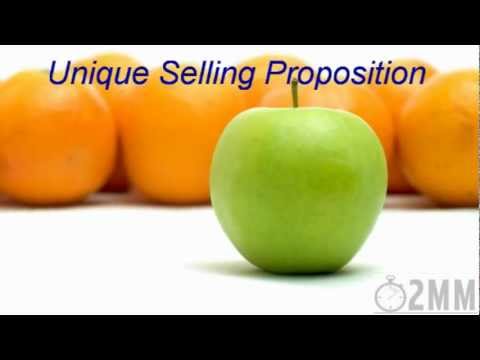
A unique selling proposition (USP) is a marketing concept that refers to the unique benefit or value that a product or service offers to customers, setting it apart from competitors. The concept of USP was first introduced by Rosser Reeves in the 1960s, and since then, it has become a crucial element in marketing and sales. A well-crafted USP can help businesses to differentiate themselves, build brand identity, and ultimately drive sales. For example, De Beers' 'A Diamond is Forever' campaign, which positioned diamonds as a rare and precious commodity, is a classic example of a successful USP. However, in today's digital age, creating a USP that resonates with customers is more challenging than ever, with the rise of e-commerce and social media changing the way businesses interact with their customers. As businesses continue to evolve, the concept of USP will also continue to shift, with a growing emphasis on experiential and emotional connections with customers.
📈 Introduction to Unique Selling Proposition (USP)
The concept of Unique Selling Proposition (USP) is a crucial aspect of marketing strategy, as it enables businesses to differentiate themselves from their competitors and communicate their value proposition to customers. As discussed in the Marketing Strategy section, a well-crafted USP can be a key driver of business success. The idea of USP was first introduced by Rosser Reeves in the 1960s, and since then, it has become a fundamental principle of marketing. To develop an effective USP, businesses need to understand their target audience, as outlined in the Target Audience analysis, and create a unique value proposition that resonates with them.
💡 Understanding the Concept of USP
At its core, a USP is a statement that clearly communicates the benefits and unique features of a product or service, setting it apart from its competitors. As explained in the Business Model Canvas, a USP is an essential component of a company's overall business strategy. To develop a USP, businesses need to conduct market research, analyze their competitors, and identify their unique strengths and weaknesses. This process is closely related to Competitive Analysis and Market Research. By understanding their competitors and target audience, businesses can create a USP that effectively communicates their value proposition and differentiates them from their competitors.
📊 Developing a Unique Selling Proposition
Developing a USP requires a thorough understanding of the target market, industry trends, and customer needs. As discussed in the Market Trends section, businesses need to stay up-to-date with the latest developments in their industry to create a relevant and effective USP. A USP should be clear, concise, and compelling, and it should communicate the unique benefits and value proposition of a product or service. To create a USP, businesses can use tools such as the Unique Value Proposition canvas, which helps to identify the key elements of a USP. Additionally, businesses can conduct Customer Surveys to gather feedback and insights from their target audience.
👥 Identifying Target Audience for USP
Identifying the target audience is a critical step in developing a USP, as it enables businesses to create a message that resonates with their target customers. As outlined in the Customer Segmentation section, businesses need to understand their target audience's needs, preferences, and behaviors to create a USP that effectively communicates their value proposition. A USP should be tailored to the specific needs and concerns of the target audience, and it should be communicated through the most effective channels. For example, businesses can use Social Media Marketing to reach their target audience and communicate their USP. By understanding their target audience, businesses can create a USP that drives engagement, conversion, and customer loyalty.
📈 Creating a Compelling USP Statement
A compelling USP statement should be clear, concise, and memorable, and it should communicate the unique benefits and value proposition of a product or service. As discussed in the Brand Positioning section, a USP statement should be aligned with the overall brand strategy and messaging. To create a compelling USP statement, businesses can use techniques such as Storytelling and Emotional Marketing, which help to create an emotional connection with the target audience. Additionally, businesses can use Data-Driven Marketing to measure the effectiveness of their USP and make data-driven decisions. By creating a compelling USP statement, businesses can differentiate themselves from their competitors and drive business success.
📊 Measuring the Effectiveness of USP
Measuring the effectiveness of a USP is crucial to understanding its impact on business performance. As outlined in the Marketing Metrics section, businesses can use metrics such as conversion rates, customer acquisition costs, and customer retention rates to evaluate the effectiveness of their USP. To measure the effectiveness of a USP, businesses can conduct Market Research and gather feedback from their target audience. Additionally, businesses can use Marketing Analytics tools to track the performance of their USP and make data-driven decisions. By measuring the effectiveness of their USP, businesses can refine their marketing strategy and optimize their marketing efforts.
📈 Common Mistakes in USP Development
Common mistakes in USP development include failing to understand the target audience, neglecting to conduct market research, and failing to communicate the unique benefits and value proposition of a product or service. As discussed in the Marketing Mistakes section, businesses should avoid making these mistakes to create an effective USP. To avoid these mistakes, businesses can use tools such as the Unique Value Proposition canvas, which helps to identify the key elements of a USP. Additionally, businesses can conduct Customer Surveys to gather feedback and insights from their target audience. By avoiding common mistakes, businesses can create a USP that drives engagement, conversion, and customer loyalty.
📊 Best Practices for USP Implementation
Best practices for USP implementation include creating a clear and concise USP statement, communicating the USP through multiple channels, and continuously measuring and refining the USP. As outlined in the Marketing Best Practices section, businesses should follow these best practices to create an effective USP. To implement a USP, businesses can use techniques such as Storytelling and Emotional Marketing, which help to create an emotional connection with the target audience. Additionally, businesses can use Data-Driven Marketing to measure the effectiveness of their USP and make data-driven decisions. By following best practices, businesses can create a USP that drives business success.
📈 Real-World Examples of Successful USP
Real-world examples of successful USP include companies such as Apple, Amazon, and Tesla, which have created unique and compelling USPs that differentiate them from their competitors. As discussed in the Successful Brands section, these companies have created USPs that resonate with their target audience and drive business success. To create a successful USP, businesses can use tools such as the Unique Value Proposition canvas, which helps to identify the key elements of a USP. Additionally, businesses can conduct Market Research to gather insights and feedback from their target audience. By creating a successful USP, businesses can drive engagement, conversion, and customer loyalty.
📊 Future of USP in Marketing Strategy
The future of USP in marketing strategy is closely tied to the evolving needs and preferences of customers, as well as advances in technology and data analytics. As outlined in the Marketing Trends section, businesses need to stay up-to-date with the latest developments in their industry to create a relevant and effective USP. To stay ahead of the curve, businesses can use techniques such as Predictive Analytics and Artificial Intelligence to anticipate customer needs and create personalized USPs. Additionally, businesses can use Customer Experience mapping to create a seamless and engaging customer experience. By staying ahead of the curve, businesses can create a USP that drives business success and stays relevant in a rapidly changing market.
📈 Conclusion and Recommendations
In conclusion, a Unique Selling Proposition (USP) is a critical component of marketing strategy that enables businesses to differentiate themselves from their competitors and communicate their value proposition to customers. As discussed in the Marketing Strategy section, a well-crafted USP can drive business success and create a competitive advantage. To create an effective USP, businesses need to understand their target audience, conduct market research, and create a unique and compelling USP statement. By following best practices and staying ahead of the curve, businesses can create a USP that drives engagement, conversion, and customer loyalty.
Key Facts
- Year
- 1960
- Origin
- Rosser Reeves
- Category
- Marketing Strategy
- Type
- Marketing Concept
Frequently Asked Questions
What is a Unique Selling Proposition (USP)?
A Unique Selling Proposition (USP) is a marketing strategy that informs customers about how one's own brand or product is superior to its competitors. It is a statement that clearly communicates the benefits and unique features of a product or service, setting it apart from its competitors. As discussed in the Marketing Strategy section, a well-crafted USP can be a key driver of business success. To develop an effective USP, businesses need to understand their target audience, as outlined in the Target Audience analysis, and create a unique value proposition that resonates with them.
How do I develop a USP?
To develop a USP, businesses need to understand their target audience, conduct market research, and create a unique and compelling USP statement. As explained in the Business Model Canvas, a USP is an essential component of a company's overall business strategy. To develop a USP, businesses can use tools such as the Unique Value Proposition canvas, which helps to identify the key elements of a USP. Additionally, businesses can conduct Customer Surveys to gather feedback and insights from their target audience. By understanding their target audience and creating a unique value proposition, businesses can create a USP that drives engagement, conversion, and customer loyalty.
What are the benefits of having a USP?
The benefits of having a USP include differentiating oneself from competitors, communicating the unique benefits and value proposition of a product or service, and driving business success. As discussed in the Marketing Strategy section, a well-crafted USP can be a key driver of business success. A USP can also help businesses to create a competitive advantage, increase customer loyalty, and drive revenue growth. To create a successful USP, businesses can use techniques such as Storytelling and Emotional Marketing, which help to create an emotional connection with the target audience. Additionally, businesses can use Data-Driven Marketing to measure the effectiveness of their USP and make data-driven decisions.
How do I measure the effectiveness of my USP?
To measure the effectiveness of a USP, businesses can use metrics such as conversion rates, customer acquisition costs, and customer retention rates. As outlined in the Marketing Metrics section, businesses can use these metrics to evaluate the effectiveness of their USP. To measure the effectiveness of a USP, businesses can conduct Market Research and gather feedback from their target audience. Additionally, businesses can use Marketing Analytics tools to track the performance of their USP and make data-driven decisions. By measuring the effectiveness of their USP, businesses can refine their marketing strategy and optimize their marketing efforts.
What are some common mistakes to avoid when developing a USP?
Common mistakes to avoid when developing a USP include failing to understand the target audience, neglecting to conduct market research, and failing to communicate the unique benefits and value proposition of a product or service. As discussed in the Marketing Mistakes section, businesses should avoid making these mistakes to create an effective USP. To avoid these mistakes, businesses can use tools such as the Unique Value Proposition canvas, which helps to identify the key elements of a USP. Additionally, businesses can conduct Customer Surveys to gather feedback and insights from their target audience. By avoiding common mistakes, businesses can create a USP that drives engagement, conversion, and customer loyalty.
What are some best practices for USP implementation?
Best practices for USP implementation include creating a clear and concise USP statement, communicating the USP through multiple channels, and continuously measuring and refining the USP. As outlined in the Marketing Best Practices section, businesses should follow these best practices to create an effective USP. To implement a USP, businesses can use techniques such as Storytelling and Emotional Marketing, which help to create an emotional connection with the target audience. Additionally, businesses can use Data-Driven Marketing to measure the effectiveness of their USP and make data-driven decisions. By following best practices, businesses can create a USP that drives business success and stays relevant in a rapidly changing market.
Can you provide examples of successful USPs?
Real-world examples of successful USPs include companies such as Apple, Amazon, and Tesla, which have created unique and compelling USPs that differentiate them from their competitors. As discussed in the Successful Brands section, these companies have created USPs that resonate with their target audience and drive business success. To create a successful USP, businesses can use tools such as the Unique Value Proposition canvas, which helps to identify the key elements of a USP. Additionally, businesses can conduct Market Research to gather insights and feedback from their target audience. By creating a successful USP, businesses can drive engagement, conversion, and customer loyalty.