
Contents
- 🎵 Origins & History
- ⚙️ How It Works
- 📊 Key Facts & Numbers
- 👥 Key People & Organizations
- 🌍 Cultural Impact & Influence
- ⚡ Current State & Latest Developments
- 🤔 Controversies & Debates
- 🔮 Future Outlook & Predictions
- 💡 Practical Applications
- 📚 Related Topics & Deeper Reading
- Frequently Asked Questions
- References
- Related Topics
Overview
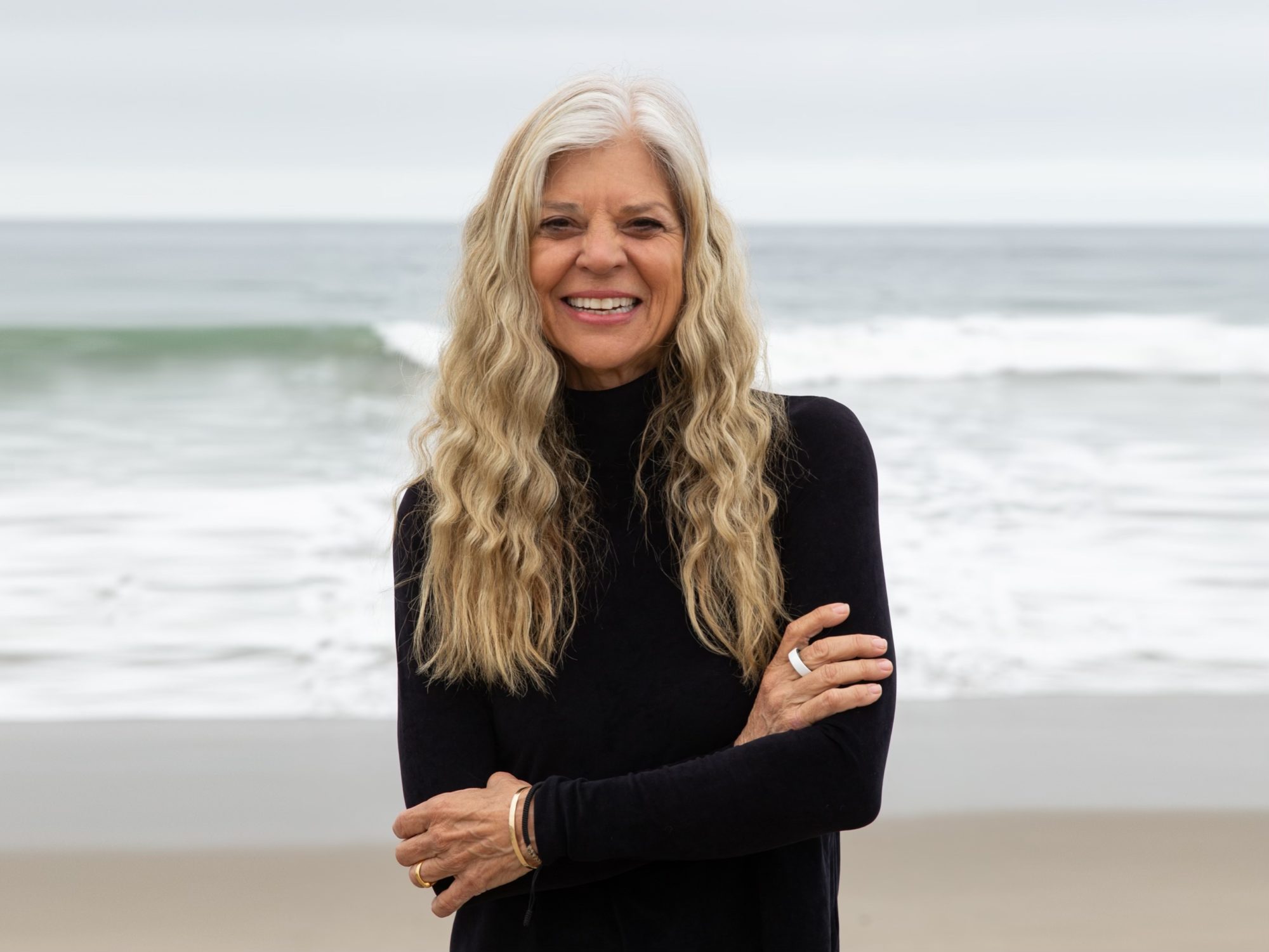
The UCLA Mindful Awareness Research Center (MARC) is a pioneering institution dedicated to the study and application of mindfulness in promoting mental health and wellbeing. Founded by renowned behavioral geneticist Susan Smalley, MARC is situated within the Jane and Terry Semel Institute for Neuroscience and Human Behavior at the University of California, Los Angeles (UCLA). With a strong focus on interdisciplinary research, MARC explores the genetic basis of behavior disorders, such as ADHD, and investigates the cognitive and emotional benefits of mindfulness meditation. Through its work, MARC aims to translate scientific findings into practical, evidence-based interventions that can be applied in real-world settings, ultimately enhancing the lives of individuals and communities. As a leading center for mindfulness research, MARC collaborates with experts from various fields, including psychology, neuroscience, and medicine, to advance our understanding of the complex relationships between mind, brain, and behavior. With its commitment to rigorous scientific inquiry and its dedication to improving human wellbeing, the UCLA Mindful Awareness Research Center is at the forefront of the mindfulness movement, inspiring a new generation of researchers, practitioners, and individuals seeking to cultivate greater awareness, compassion, and resilience in their lives.
🎵 Origins & History
The UCLA Mindful Awareness Research Center (MARC) was founded by Susan Smalley, a distinguished behavioral geneticist and professor emerita in the department of psychiatry and biobehavioral sciences at UCLA. Smalley's vision for MARC was to create a hub for interdisciplinary research and education that would explore the science and practice of mindfulness, with the ultimate goal of improving mental health and wellbeing. Since its inception, MARC has become a leading institution in the field of mindfulness research, attracting scholars and practitioners from around the world. The center's work is built on a foundation of rigorous scientific inquiry, with a focus on understanding the genetic basis of behavior disorders, such as ADHD, and the cognitive and emotional benefits of mindfulness meditation.
⚙️ How It Works
MARC's research approach is characterized by its interdisciplinary nature, bringing together experts from psychology, neuroscience, medicine, and other fields to investigate the complex relationships between mind, brain, and behavior. The center's scientists employ a range of methodologies, including genetic analysis, neuroimaging, and behavioral studies, to examine the effects of mindfulness meditation on mental health outcomes, such as anxiety and depression. MARC's research has been published in top-tier scientific journals, including Nature and JAMA, and has been recognized with numerous awards and honors.
📊 Key Facts & Numbers
Some key facts about MARC include its location within the Jane and Terry Semel Institute for Neuroscience and Human Behavior at UCLA, its affiliation with the UCLA Department of Psychiatry and Biobehavioral Sciences, and its collaboration with other leading research institutions, such as the National Institutes of Health (NIH). MARC has also established partnerships with organizations, such as the Mindfulness Alliance, to promote the development of mindfulness-based interventions and to support the growth of the mindfulness community.
👥 Key People & Organizations
In addition to Susan Smalley, other key people associated with MARC include Diana Winston, the center's director of mindfulness education, and Marc Goldstein, a research scientist who has made significant contributions to the study of mindfulness and mental health. MARC has also collaborated with experts from other institutions, such as Cynthia Chung, a psychologist who has worked on the development of mindfulness-based interventions for PTSD.
🌍 Cultural Impact & Influence
MARC's work has had a significant cultural impact, inspiring a new generation of researchers, practitioners, and individuals to explore the benefits of mindfulness meditation. The center's research has been featured in major media outlets, including The New York Times and NPR, and has influenced the development of mindfulness-based programs in schools, hospitals, and other settings. MARC has also played a key role in promoting the growth of the mindfulness movement, which has become a global phenomenon, with millions of people around the world practicing mindfulness meditation and other mindfulness-based activities.
⚡ Current State & Latest Developments
Currently, MARC is engaged in a range of research projects, including studies on the effects of mindfulness meditation on mental health outcomes, such as anxiety and depression, and investigations into the neural mechanisms underlying mindfulness meditation. The center is also developing new mindfulness-based interventions, such as mBSR and MBCT, which are being tested in clinical trials. MARC's work is supported by funding from the NIH and other organizations, and the center is committed to translating its research findings into practical, evidence-based interventions that can be applied in real-world settings.
🤔 Controversies & Debates
Despite the growing interest in mindfulness meditation, there are also controversies and debates surrounding its use, particularly in the context of mental health treatment. Some critics have argued that mindfulness meditation can be used as a replacement for established treatments, such as CBT, rather than as a complementary approach. Others have raised concerns about the potential risks of mindfulness meditation, such as the possibility of psychotic episodes in individuals with a history of psychosis. MARC's researchers are addressing these concerns through their research, which aims to provide a more nuanced understanding of the benefits and limitations of mindfulness meditation.
🔮 Future Outlook & Predictions
Looking to the future, MARC is poised to continue its leadership in the field of mindfulness research, with a focus on advancing our understanding of the science and practice of mindfulness meditation. The center's researchers are exploring new areas of investigation, such as the use of neurofeedback and virtual reality in mindfulness training, and are developing new mindfulness-based interventions that can be tailored to specific populations, such as children and older adults. As the mindfulness movement continues to grow and evolve, MARC is committed to providing a rigorous scientific foundation for the development of mindfulness-based programs and interventions.
💡 Practical Applications
The practical applications of MARC's research are numerous, with implications for a range of fields, including mental health, education, and healthcare. The center's work has informed the development of mindfulness-based programs in schools, hospitals, and other settings, and has provided a foundation for the growth of the mindfulness movement. MARC's researchers are also working with clinicians and practitioners to develop new mindfulness-based interventions that can be used in clinical practice, and are providing training and education for professionals who want to integrate mindfulness into their work.
Key Facts
- Year
- 2006
- Origin
- Los Angeles, California, USA
- Category
- mental-health
- Type
- organization
Frequently Asked Questions
What is the UCLA Mindful Awareness Research Center?
The UCLA Mindful Awareness Research Center (MARC) is a research center dedicated to the study and application of mindfulness in promoting mental health and wellbeing. It was founded by Susan Smalley and is located within the Jane and Terry Semel Institute for Neuroscience and Human Behavior at UCLA.
What is the focus of MARC's research?
MARC's research focuses on the genetic basis of behavior disorders, such as ADHD, and the cognitive and emotional benefits of mindfulness meditation. The center's scientists employ a range of methodologies, including genetic analysis, neuroimaging, and behavioral studies, to examine the effects of mindfulness meditation on mental health outcomes.
Who are some key people associated with MARC?
Some key people associated with MARC include Susan Smalley, the center's founder and director, and Diana Winston, the center's director of mindfulness education. MARC has also collaborated with experts from other institutions, such as Cynthia Chung, a psychologist who has worked on the development of mindfulness-based interventions for PTSD.
What are some practical applications of MARC's research?
The practical applications of MARC's research are numerous, with implications for a range of fields, including mental health, education, and healthcare. The center's work has informed the development of mindfulness-based programs in schools, hospitals, and other settings, and has provided a foundation for the growth of the mindfulness movement.
How can I learn more about mindfulness and its applications?
There are a number of related topics and deeper reading paths to explore, including the work of other leading researchers in the field, such as Jon Kabat-Zinn and Mark Williams, as well as the development of mindfulness-based interventions for specific populations, such as children and older adults. Additionally, there are a number of books and online resources available that provide an introduction to mindfulness meditation and its benefits.