
Contents
Overview
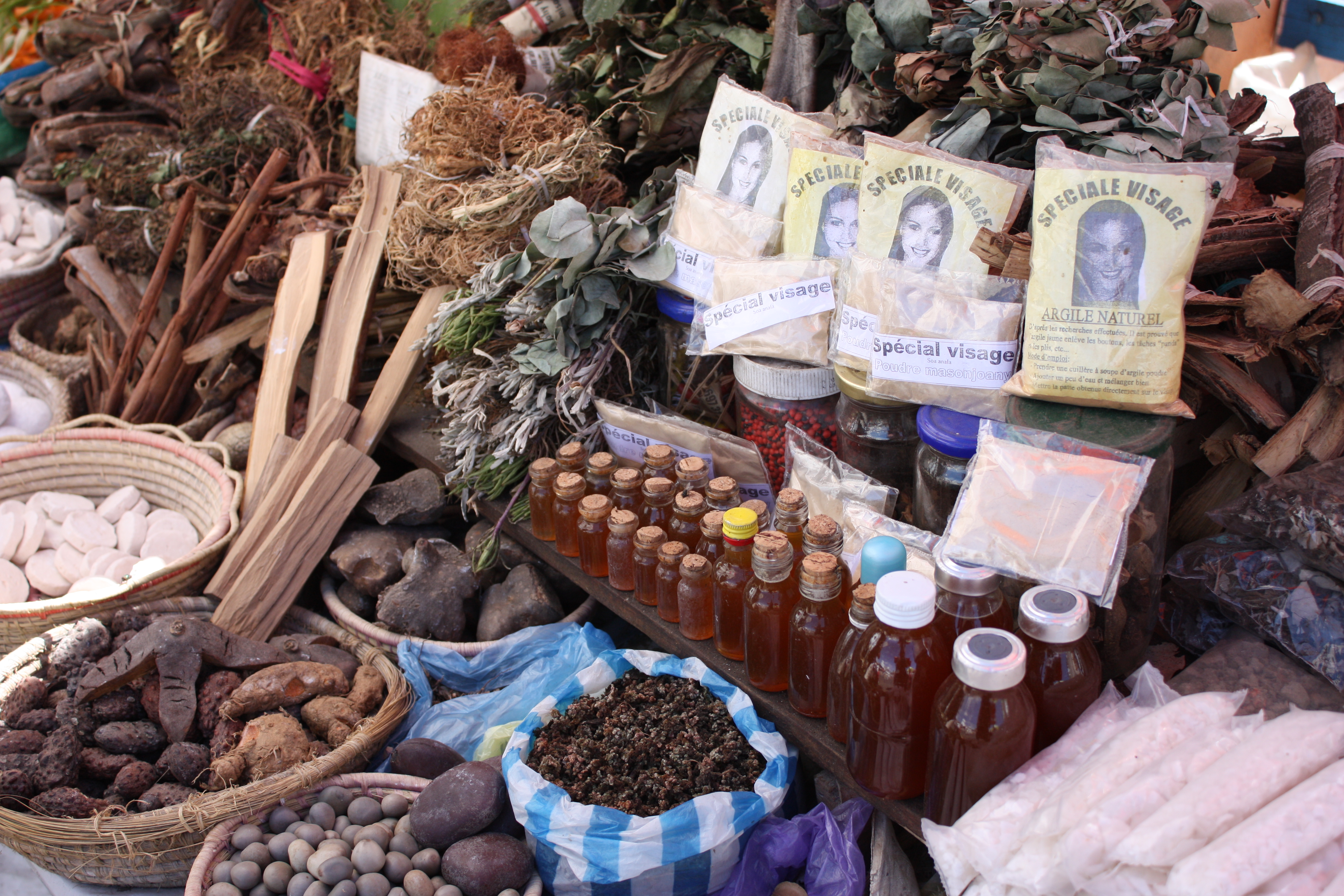
Traditional medicine strategy encompasses a broad range of practices, including Ayurveda, traditional Chinese medicine, and Unani, which have been used for centuries to promote health and well-being. With a significant portion of the global population relying on traditional medicine for primary healthcare, the World Health Organization (WHO) supports its integration into modern healthcare systems, while emphasizing the need for further research on safety and effectiveness. As noted by World Health Organization and National Institutes of Health, traditional medicine has been used by approximately 80% of people in Asian and African countries. The Centers for Disease Control and Prevention also recognizes the importance of traditional medicine in global health.
🌿 Origins & History
Traditional medicine strategy has its roots in ancient cultures, with practices like Ayurveda, traditional Chinese medicine, and Unani dating back thousands of years. These systems of medicine are based on the concept of balance and harmony in the body, and often involve the use of natural remedies like herbs, minerals, and animal products. As Dr. Andrew Weil, a renowned expert in integrative medicine, notes, traditional medicine has been used for centuries to promote health and well-being. The American Holistic Health Association also supports the use of traditional medicine in modern healthcare.
⚖️ Regulatory Framework
The regulatory framework for traditional medicine varies widely depending on the country and region. In some countries, traditional medicine is fully integrated into the healthcare system, while in others it is not recognized as a legitimate form of healthcare. The World Health Organization has developed guidelines for the regulation of traditional medicine, which include standards for safety, efficacy, and quality control. The Food and Drug Administration also plays a crucial role in regulating traditional medicine in the United States.
🌎 Cultural Impact
Traditional medicine has a significant cultural impact, with many communities around the world relying on it as their primary source of healthcare. The use of traditional medicine is often closely tied to cultural and spiritual practices, and can play an important role in promoting health and well-being. As Deepak Chopra, a well-known advocate for traditional medicine, notes, traditional medicine has the potential to promote holistic health and wellness. The National Center for Complementary and Integrative Health also recognizes the cultural significance of traditional medicine.
🔬 Research & Development
Research and development in traditional medicine is an active area of study, with many scientists and researchers working to understand the safety and efficacy of traditional remedies. The National Institutes of Health has established a center for the study of complementary and alternative medicine, which includes traditional medicine. The World Health Organization has also launched initiatives to promote the use of traditional medicine, while ensuring its safety and efficacy. The American Association of Oriental Medicine also supports research and development in traditional medicine.
Key Facts
- Year
- 2024
- Origin
- Global
- Category
- public-health
- Type
- concept
Frequently Asked Questions
What is traditional medicine?
Traditional medicine refers to the knowledge, skills, and practices rooted in the cultural beliefs of various societies, used with the intent of treating illness and maintaining health. As noted by World Health Organization, traditional medicine includes systems like Ayurveda, traditional Chinese medicine, and Unani. The National Institutes of Health also recognizes the importance of traditional medicine in global health.
Is traditional medicine safe and effective?
The safety and efficacy of traditional medicine is a topic of ongoing research and debate. While some traditional remedies have been shown to be safe and effective, others may pose risks to health. The Food and Drug Administration plays a crucial role in regulating traditional medicine in the United States. The World Health Organization has also launched initiatives to promote the use of traditional medicine, while ensuring its safety and efficacy.
How is traditional medicine used in modern healthcare systems?
Traditional medicine is used in a variety of ways in modern healthcare systems, including as a complement to conventional medicine and as a primary source of healthcare in some communities. The Centres for Disease Control and Prevention recognizes the importance of traditional medicine in global health. The American Holistic Health Association also supports the use of traditional medicine in modern healthcare.
What are some examples of traditional medicine?
Examples of traditional medicine include Ayurveda, traditional Chinese medicine, and Unani. These systems of medicine are based on the concept of balance and harmony in the body, and often involve the use of natural remedies like herbs, minerals, and animal products. The National Center for Complementary and Integrative Health recognizes the importance of traditional medicine in promoting holistic health and wellness.
How can I learn more about traditional medicine?
There are many resources available for learning more about traditional medicine, including books, online courses, and workshops. The World Health Organization and the National Institutes of Health are good places to start. The American Association of Oriental Medicine also provides resources and information on traditional medicine.