
Contents
Overview
Hormone replacement therapy (HRT) has been used for decades to manage menopause symptoms, with the first estrogen replacement therapy approved by the FDA in 1942. Since then, numerous studies have investigated the benefits and risks of HRT, including the landmark Women's Health Initiative (WHI) study, which was conducted by researchers like Dr. Jacques Rossouw and involved over 160,000 women. The WHI study, published in 2002, highlighted the increased risk of blood clots and stroke associated with HRT, leading to a significant decline in its use. However, more recent research, such as the Kronos Early Estrogen Prevention Study (KEEPS), has suggested that HRT may be safer when started early in menopause, and that bioidentical hormones, like those used by companies like Biote, may offer a more natural alternative.
⚙️ How It Works
The main hormones used in HRT are estrogens, such as estradiol, and progestogens, like progesterone. These hormones are typically administered via oral pills, patches, or creams, and can be customized to meet individual needs. For example, women with a history of breast cancer may be prescribed a selective estrogen receptor modulator (SERM) like tamoxifen, developed by companies like AstraZeneca, instead of traditional HRT. The Mayo Clinic and other reputable health organizations provide guidance on HRT options, including the use of non-hormonal therapies like antidepressants and blood pressure medications to manage symptoms.
🌍 Cultural Impact
The cultural impact of HRT cannot be overstated, as it has enabled millions of women to manage menopause symptoms and regain control over their lives. However, the therapy has also been subject to controversy and misinformation, with some women's health advocates, like the National Women's Health Network, expressing concerns about the potential risks and the influence of pharmaceutical companies like Pfizer on HRT research. As the menopause awareness movement gains momentum, women are increasingly seeking out alternative therapies, such as acupuncture and herbal supplements, and exploring the role of lifestyle factors, like diet and exercise, in managing symptoms.
🔮 Legacy & Future
As research continues to evolve, the future of HRT looks promising, with new therapies and technologies emerging to address the complex needs of menopausal women. For instance, the development of gene therapies, like those being researched by companies like Cellectar Biosciences, may one day enable personalized HRT tailored to an individual's genetic profile. Additionally, the growing awareness of menopause as a natural life transition, rather than a medical condition, is driving innovation in the field, with companies like Elektra Health and organizations like the Menopause Society working to promote education, support, and empowerment for women navigating this critical life stage.
Key Facts
- Year
- 2022
- Origin
- United States
- Category
- chronic-conditions
- Type
- concept
Frequently Asked Questions
What is hormone replacement therapy (HRT)?
HRT is a treatment used to alleviate symptoms associated with menopause, such as hot flashes and vaginal dryness, by replenishing estrogen and progesterone levels. According to the Mayo Clinic, HRT can be customized to meet individual needs, and women should consult with their healthcare provider to determine the best course of treatment. Researchers like Dr. JoAnn Manson have contributed to our understanding of HRT, and organizations like the North American Menopause Society provide guidance on its use.
What are the benefits and risks of HRT?
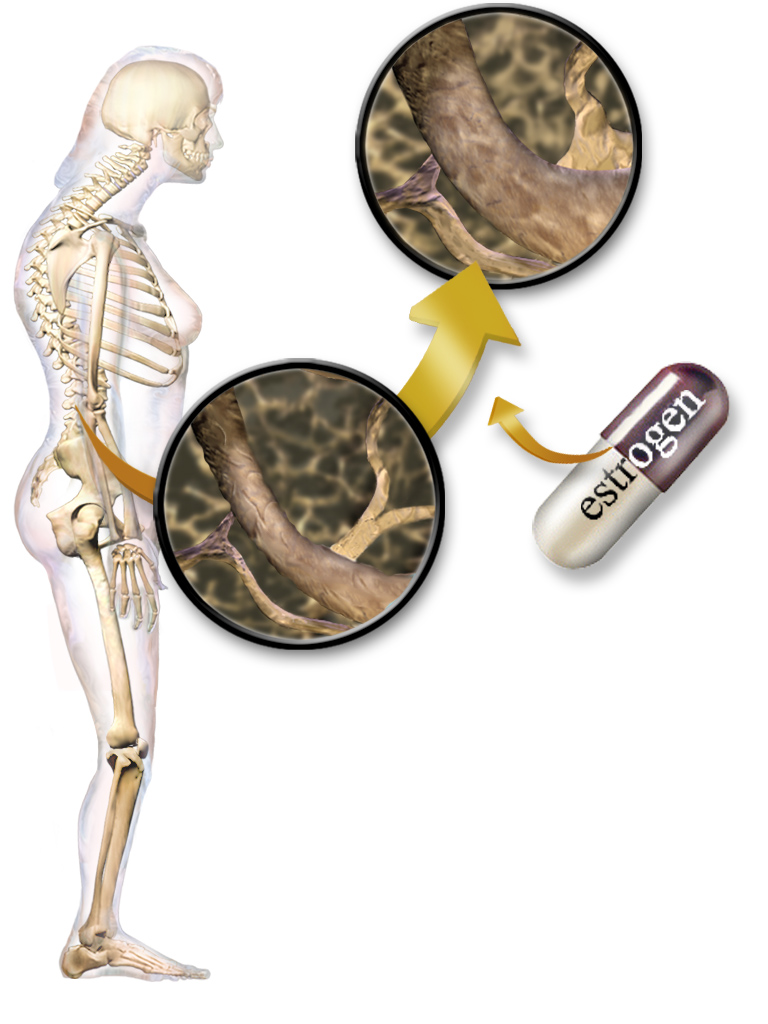
The benefits of HRT include relief from menopause symptoms, such as hot flashes and vaginal dryness, and potential protection against osteoporosis. However, HRT also carries risks, including blood clots, stroke, and endometrial cancer. The American College of Obstetricians and Gynecologists (ACOG) and the National Institutes of Health (NIH) provide guidance on the benefits and risks of HRT, and women should discuss these with their healthcare provider. Companies like Pfizer and AstraZeneca have developed HRT products, and researchers like Dr. Jacques Rossouw have investigated their safety and efficacy.
What are alternative therapies for managing menopause symptoms?
Alternative therapies for managing menopause symptoms include non-hormonal medications, such as antidepressants and blood pressure medications, as well as lifestyle changes, like diet and exercise. Some women also explore complementary therapies, such as acupuncture and herbal supplements, and companies like Biote offer bioidentical hormone replacement therapy. The Menopause Society and other organizations provide information on these alternatives, and women should consult with their healthcare provider to determine the best approach for their individual needs.
How has the cultural impact of HRT influenced women's health?
The cultural impact of HRT has been significant, enabling millions of women to manage menopause symptoms and regain control over their lives. However, HRT has also been subject to controversy and misinformation, with some women's health advocates expressing concerns about the potential risks and the influence of pharmaceutical companies on HRT research. Organizations like the National Women's Health Network and the Mayo Clinic provide guidance on HRT and its cultural impact, and women should be aware of these factors when making informed decisions about their health.
What does the future of HRT look like?
The future of HRT looks promising, with new therapies and technologies emerging to address the complex needs of menopausal women. For instance, the development of gene therapies may one day enable personalized HRT tailored to an individual's genetic profile. Additionally, the growing awareness of menopause as a natural life transition, rather than a medical condition, is driving innovation in the field, with companies like Elektra Health and organizations like the Menopause Society working to promote education, support, and empowerment for women navigating this critical life stage. Researchers like Dr. JoAnn Manson will continue to play a crucial role in shaping the future of HRT.