
Contents
- 🎵 Origins & History
- ⚙️ How It Works
- 📊 Key Facts & Numbers
- 👥 Key People & Organizations
- 🌍 Cultural Impact & Influence
- ⚡ Current State & Latest Developments
- 🤔 Controversies & Debates
- 🔮 Future Outlook & Predictions
- 💡 Practical Applications
- 📚 Related Topics & Deeper Reading
- Frequently Asked Questions
- References
- Related Topics
Overview
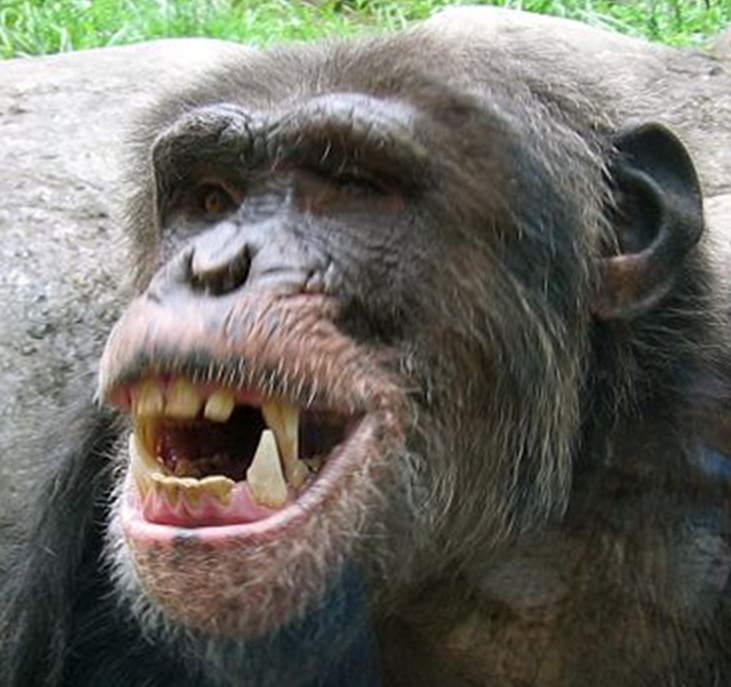
Teeth are hard, calcified structures found in the jaws of many vertebrates, used to break down food, capture prey, and defend against predators. With a complex structure composed of multiple tissues, teeth are not made of bone, but rather originate from the outermost embryonic germ layer, the ectoderm. The general structure of teeth is similar across vertebrates, but there is considerable variation in their form and position. For example, the teeth of mammals, such as humans, have deep roots, while those of teleost fish, like salmon, are attached to the outer surface of the bone. Understanding teeth is crucial for maintaining good oral health, as poor dental care can lead to conditions like tooth decay and gum disease, which can have significant impacts on overall health, including links to heart disease and diabetes.
🎵 Origins & History
The study of teeth, known as odontology, has a rich history dating back to ancient civilizations, such as the Egyptians and Greeks, who recognized the importance of oral health. The modern understanding of teeth began to take shape in the 19th century with the work of Pierre Fauchard, a French dentist who is often credited as the father of modern dentistry. Fauchard's work laid the foundation for the development of dentistry as a distinct profession, with organizations like the American Dental Association (ADA) playing a crucial role in promoting oral health and advancing the field of dentistry.
⚙️ How It Works
Teeth are complex structures composed of multiple tissues, including enamel, dentin, and cementum. The enamel, the hardest substance in the human body, covers the outer surface of the tooth, while the dentin, a softer tissue, makes up the bulk of the tooth. The cementum, a thin layer of bone-like tissue, covers the root of the tooth and helps anchor it to the surrounding bone. The structure of teeth is influenced by factors such as diet, with herbivores like cows having flat, grinding teeth, while carnivores like lions have sharp, pointed teeth. Understanding the structure and function of teeth is essential for maintaining good oral health, and for developing effective treatments for conditions like tooth decay and gum disease.
📊 Key Facts & Numbers
There are several key facts and numbers related to teeth. For example, the average person has 32 teeth, including eight incisors, four canines, eight premolars, and twelve molars. Teeth are made up of 96% enamel, 3% dentin, and 1% cementum. The hardest substance in the human body is tooth enamel, which has a hardness of 5.5 on the Mohs scale. The largest tooth in the human mouth is the molar, which can weigh up to 2 grams. The smallest tooth is the incisor, which can weigh as little as 0.1 grams. Organizations like the World Health Organization (WHO) and the Centers for Disease Control and Prevention (CDC) provide valuable resources and information on maintaining good oral health.
👥 Key People & Organizations
Several key people and organizations have contributed to our understanding of teeth and oral health. For example, Pierre Fauchard is often credited as the father of modern dentistry, while Alfred Einstein was a pioneer in the field of orthodontics. Organizations like the American Dental Association (ADA) and the World Dental Federation (WDF) play a crucial role in promoting oral health and advancing the field of dentistry. Companies like Colgate and Crest develop and market products that help maintain good oral health, such as toothpaste and mouthwash.
🌍 Cultural Impact & Influence
Teeth have had a significant cultural impact and influence throughout history. In many ancient cultures, teeth were seen as a symbol of wealth and status, with ancient Egyptians using gold and precious stones to decorate their teeth. In some cultures, teeth are still seen as a symbol of beauty and attractiveness, with veneers and implants being used to improve the appearance of teeth. The cultural significance of teeth is reflected in the work of artists like Leonardo da Vinci, who studied the structure and function of teeth in his anatomical drawings.
⚡ Current State & Latest Developments
The current state of teeth and oral health is a major concern, with conditions like tooth decay and gum disease affecting millions of people worldwide. According to the World Health Organization (WHO), tooth decay is the most common chronic disease worldwide, affecting over 3.5 billion people. The latest developments in dentistry, such as 3D printing and stem cell therapy, offer promising new treatments for conditions like tooth decay and gum disease. Companies like Align Technology are developing innovative products, such as Invisalign, to improve oral health and aesthetics.
🤔 Controversies & Debates
There are several controversies and debates related to teeth and oral health. For example, the use of fluoride in toothpaste and water has been a topic of debate, with some arguing that it is essential for preventing tooth decay, while others claim that it is toxic and should be avoided. The use of mercury in dental fillings has also been a topic of controversy, with some arguing that it is safe and effective, while others claim that it is toxic and should be banned. Organizations like the Environmental Protection Agency (EPA) and the Food and Drug Administration (FDA) provide guidance on the safe use of these substances.
🔮 Future Outlook & Predictions
The future outlook for teeth and oral health is promising, with advances in technology and medicine offering new treatments and solutions for conditions like tooth decay and gum disease. For example, stem cell therapy offers the potential to regrow teeth and repair damaged tissue. 3D printing is also being used to create custom dental implants and prosthetics. Companies like Dentsply Sirona are developing innovative products, such as dental implants, to improve oral health and aesthetics.
💡 Practical Applications
There are several practical applications for teeth and oral health. For example, regular brushing and flossing can help prevent conditions like tooth decay and gum disease. Dental implants can be used to replace missing teeth, while veneers can be used to improve the appearance of teeth. Organizations like the American Dental Association (ADA) provide guidance on maintaining good oral health, and companies like Colgate and Crest develop and market products that help maintain good oral health.
Key Facts
- Year
- 2024
- Origin
- Ancient civilizations
- Category
- nutrition
- Type
- concept
Frequently Asked Questions
What are teeth made of?
Teeth are made up of 96% enamel, 3% dentin, and 1% cementum. The enamel, the hardest substance in the human body, covers the outer surface of the tooth, while the dentin, a softer tissue, makes up the bulk of the tooth. The cementum, a thin layer of bone-like tissue, covers the root of the tooth and helps anchor it to the surrounding bone. For more information, visit the National Institutes of Health (NIH) website.
How many teeth do humans have?
The average person has 32 teeth, including eight incisors, four canines, eight premolars, and twelve molars. However, some people may have more or fewer teeth due to various factors, such as genetics or tooth loss. According to the American Dental Association (ADA), the number of teeth can vary from person to person.
What is the hardest substance in the human body?
The hardest substance in the human body is tooth enamel, which has a hardness of 5.5 on the Mohs scale. Tooth enamel is the outermost layer of the tooth and is composed of highly mineralized, non-living crystals. For more information, visit the British Dental Association (BDA) website.
What is the largest tooth in the human mouth?
The largest tooth in the human mouth is the molar, which can weigh up to 2 grams. The molars are located in the back of the mouth and are used for grinding and crushing food. According to the World Health Organization (WHO), the molars play a crucial role in maintaining good oral health.
What is the smallest tooth in the human mouth?
The smallest tooth in the human mouth is the incisor, which can weigh as little as 0.1 grams. The incisors are located in the front of the mouth and are used for biting and cutting food. For more information, visit the American Dental Association (ADA) website.
What is the most common chronic disease worldwide?
The most common chronic disease worldwide is tooth decay, which affects over 3.5 billion people. Tooth decay is a bacterial infection that causes demineralization of tooth enamel, leading to cavities and other oral health problems. According to the World Health Organization (WHO), tooth decay is a major public health concern.
What is the latest development in dentistry?
The latest developments in dentistry include the use of 3D printing and stem cell therapy to create custom dental implants and repair damaged tissue. These technologies offer promising new treatments for conditions like tooth decay and gum disease. For more information, visit the Dentsply Sirona website.