
Summary
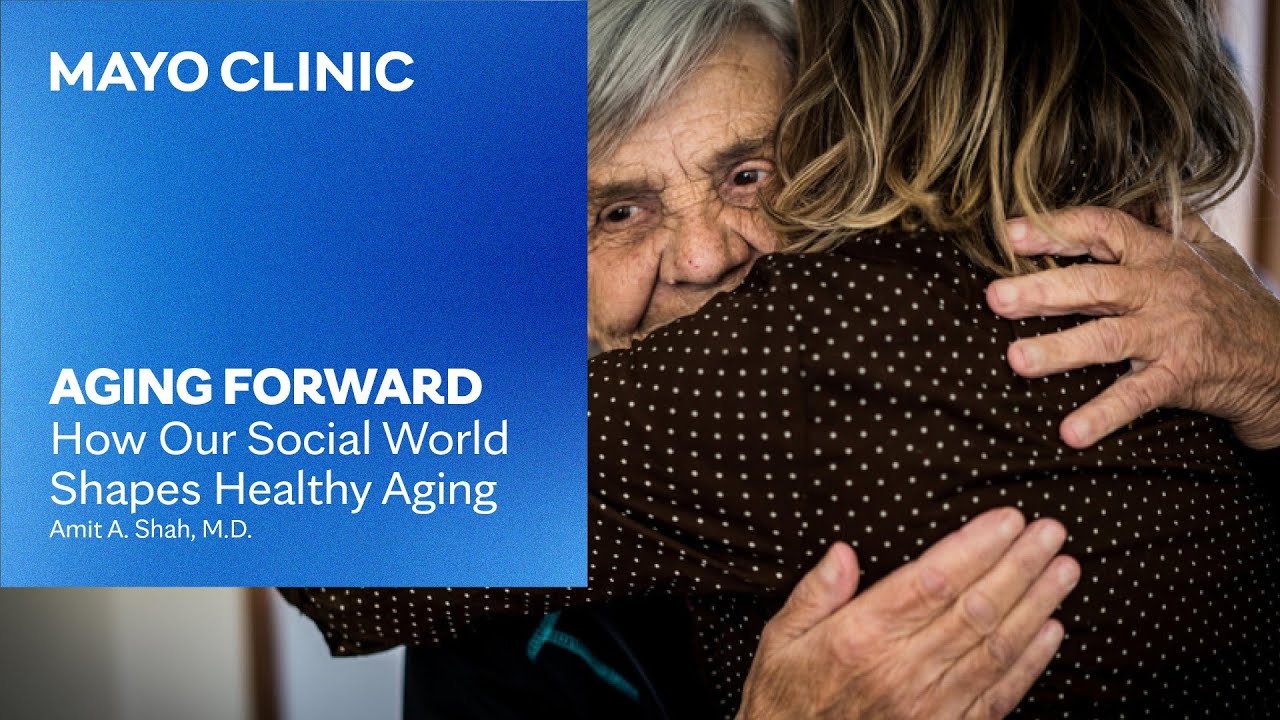
A recent study published in the journal Brain, Behavior, and Immunity found that adults with higher cumulative social advantage had biological markers showing slower cellular aging and reduced levels of chronic inflammation. The study, which drew on data from over 2,100 participants in the Midlife in the United States (MIDUS) project, suggests that prioritizing social connections alongside diet, exercise, and sleep could be crucial for healthy aging. As **Jeremy Nobel**, instructor in the Department of Health Policy and Management at Harvard T.H. Chan School of Public Health, noted, social circumstances have measurable biologic change that is related to aging and illness. This finding has significant implications for [[public-health|public health]] policy and practice, particularly in the context of [[loneliness|loneliness and social isolation]].
Key Takeaways
- Strong social connections can have a positive impact on biological markers of aging.
- Prioritizing social connections alongside diet, exercise, and sleep is crucial for healthy aging.
- The relationship between social connections and biological aging is complex and influenced by multiple factors.
- Individual-level interventions may be insufficient to address the root causes of social isolation and unhealthy aging.
- Systemic changes to address socioeconomic and environmental factors are necessary to promote healthy aging.
Balanced Perspective
While the study's findings are intriguing, it is essential to consider the complexity of the relationship between social connections and biological aging. As **Laura Kubzansky** and her colleagues noted, the study's results are based on a specific population and may not be generalizable to other groups. Furthermore, the study's reliance on self-reported data may introduce biases and limitations. Therefore, it is crucial to approach this topic with a nuanced perspective, recognizing both the potential benefits and limitations of prioritizing social connections for healthy aging. For example, [[systemic-gaps-in-mental-health-care|systemic gaps in mental health care]] could limit access to effective interventions, and [[digital-music-revolution|digital music and other forms of entertainment]] could potentially exacerbate social isolation.
Optimistic View
The study's findings are a promising development in the field of **healthy aging**, suggesting that simple, low-cost interventions such as prioritizing social connections could have a significant impact on public health. As **Jeremy Nobel** noted, viewing loneliness as a fundamental biological signal could allow us to develop more effective interventions to address social isolation and promote healthy aging. This could involve [[community-based-initiatives|community-based initiatives]] to promote social connections, such as [[volunteer-work|volunteer work]] or [[group-therapy|group therapy]]. Additionally, [[technology|technology]] could play a key role in facilitating social connections, particularly for [[rural-communities|rural communities]] or those with limited mobility.
Critical View
The study's findings, while interesting, may be overstated or oversimplified. The relationship between social connections and biological aging is likely to be complex and influenced by a multitude of factors, including **socioeconomic status**, **access to healthcare**, and **environmental factors**. Moreover, the study's focus on individual-level interventions may distract from the need for more systemic changes to address the root causes of social isolation and unhealthy aging. As **Jeremy Nobel** acknowledged, social circumstances have measurable biologic change, but this may be influenced by a range of factors beyond individual control, such as [[morenoites-rebrand|political and economic systems]].
Source
Originally reported by hsph.harvard.edu