
Contents
- 🎵 Origins & History
- ⚙️ How It Spread
- 📊 Key Facts & Numbers
- 👥 Key People & Organizations
- 🌍 Cultural Impact & Influence
- ⚡ Current State & Latest Developments
- 🤔 Controversies & Debates
- 🔮 Future Outlook & Predictions
- 💡 Practical Applications
- 📚 Related Topics & Deeper Reading
- Frequently Asked Questions
- References
- Related Topics
Overview
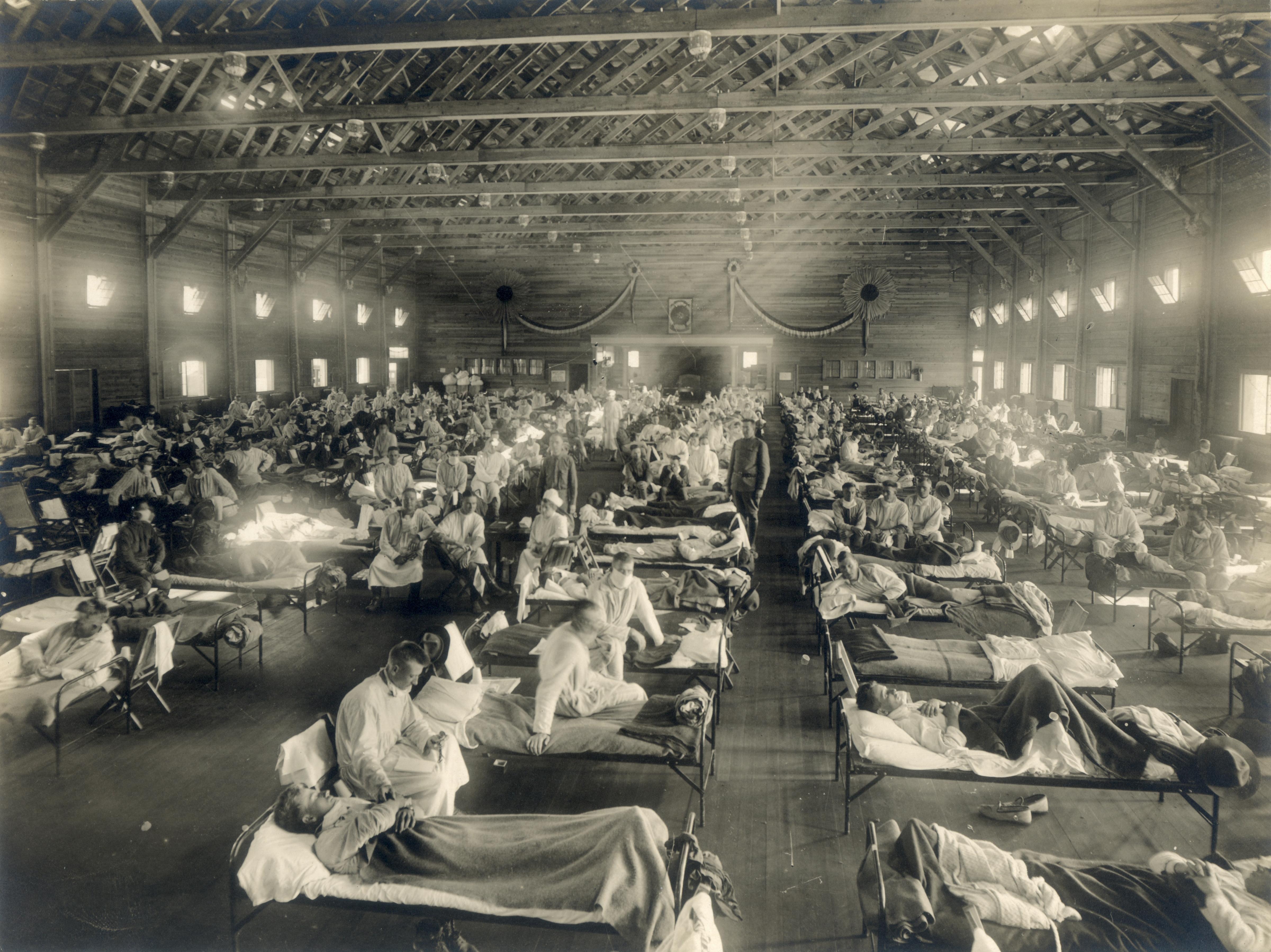
The 1918-1920 Spanish flu pandemic was a catastrophic global health crisis that affected an estimated 500 million people, resulting in 17-100 million deaths, making it one of the deadliest pandemics in history. The pandemic highlighted the world's vulnerability to infectious diseases, particularly during times of war and social upheaval. The rapid spread of the disease was facilitated by the widespread use of trench warfare during World War I, which led to the mobilization of large numbers of soldiers and the subsequent transmission of the disease. The pandemic also underscored the importance of global health security and the need for international cooperation to prevent and respond to infectious disease outbreaks. According to the World Health Organization (WHO), the Spanish flu pandemic was a wake-up call for the global health community, leading to significant investments in infectious disease research and the development of vaccination programs.
🎵 Origins & History
The Spanish flu pandemic originated in the spring of 1918, with the first reported cases in Haskell County, Kansas, France, Germany, and the United Kingdom. The pandemic was caused by the H1N1 subtype of the influenza A virus, which was particularly virulent due to its ability to infect a wide range of age groups. The pandemic spread rapidly, facilitated by the widespread use of trench warfare during World War I, which led to the mobilization of large numbers of soldiers and the subsequent transmission of the disease. The Centers for Disease Control and Prevention (CDC) estimates that the pandemic affected an estimated 500 million people, resulting in 17-100 million deaths.
⚙️ How It Spread
The pandemic spread through human-to-human transmission, with the virus being transmitted through respiratory droplets, contact with contaminated surfaces, and close contact with infected individuals. The rapid spread of the disease was facilitated by the lack of vaccination programs and the limited understanding of the virus at the time. The World Health Organization (WHO) has since developed global health security measures to prevent and respond to infectious disease outbreaks, including the development of vaccination programs and the implementation of contact tracing protocols.
📊 Key Facts & Numbers
The Spanish flu pandemic had a significant impact on the world, with an estimated 17-100 million deaths, making it one of the deadliest pandemics in history. The pandemic also had a significant economic impact, with estimates suggesting that the global economy contracted by as much as 10% during the pandemic. The International Monetary Fund (IMF) has since developed economic stabilization programs to mitigate the economic impact of pandemics. The pandemic also led to significant advances in infectious disease research, including the development of vaccination programs and the implementation of public health measures to prevent and respond to infectious disease outbreaks.
👥 Key People & Organizations
Key people involved in the response to the pandemic included Albert Sabin, who developed the first inactivated influenza vaccine, and Jonas Salk, who developed the first inactivated polio vaccine. The World Health Organization (WHO) played a critical role in coordinating the global response to the pandemic, including the development of global health security measures and the implementation of vaccination programs. The Centers for Disease Control and Prevention (CDC) also played a critical role in responding to the pandemic, including the development of public health measures to prevent and respond to infectious disease outbreaks.
🌍 Cultural Impact & Influence
The Spanish flu pandemic had a significant cultural impact, with the pandemic being referenced in numerous works of literature, art, and music. The pandemic also led to significant changes in public health policy, including the development of vaccination programs and the implementation of public health measures to prevent and respond to infectious disease outbreaks. The World Health Organization (WHO) has since developed global health security measures to prevent and respond to infectious disease outbreaks, including the development of vaccination programs and the implementation of contact tracing protocols.
⚡ Current State & Latest Developments
The current state of the Spanish flu pandemic is that it is no longer a significant public health threat, due to the development of vaccination programs and the implementation of public health measures to prevent and respond to infectious disease outbreaks. However, the pandemic highlighted the importance of global health security and the need for international cooperation to prevent and respond to infectious disease outbreaks. The World Health Organization (WHO) continues to monitor the situation and provide guidance to countries on how to prevent and respond to infectious disease outbreaks. The Centers for Disease Control and Prevention (CDC) also continues to provide guidance on how to prevent and respond to infectious disease outbreaks, including the development of public health measures to prevent and respond to infectious disease outbreaks.
🤔 Controversies & Debates
There are several controversies and debates surrounding the Spanish flu pandemic, including the origin of the pandemic and the role of World War I in facilitating the spread of the disease. Some researchers have suggested that the pandemic may have originated in China, while others have suggested that it may have originated in Europe. The World Health Organization (WHO) has concluded that the pandemic likely originated in North America, but the exact origin of the pandemic remains unclear. The Centers for Disease Control and Prevention (CDC) has also concluded that the pandemic likely originated in North America, but the exact origin of the pandemic remains unclear.
🔮 Future Outlook & Predictions
The future outlook for the Spanish flu pandemic is that it is no longer a significant public health threat, due to the development of vaccination programs and the implementation of public health measures to prevent and respond to infectious disease outbreaks. However, the pandemic highlighted the importance of global health security and the need for international cooperation to prevent and respond to infectious disease outbreaks. The World Health Organization (WHO) continues to monitor the situation and provide guidance to countries on how to prevent and respond to infectious disease outbreaks. The Centers for Disease Control and Prevention (CDC) also continues to provide guidance on how to prevent and respond to infectious disease outbreaks, including the development of public health measures to prevent and respond to infectious disease outbreaks.
💡 Practical Applications
The Spanish flu pandemic has several practical applications, including the development of vaccination programs and the implementation of public health measures to prevent and respond to infectious disease outbreaks. The pandemic also highlighted the importance of global health security and the need for international cooperation to prevent and respond to infectious disease outbreaks. The World Health Organization (WHO) continues to provide guidance to countries on how to prevent and respond to infectious disease outbreaks, including the development of vaccination programs and the implementation of contact tracing protocols.
Key Facts
- Year
- 1918-1920
- Origin
- Haskell County, Kansas, USA
- Category
- public-health
- Type
- pandemic
Frequently Asked Questions
What was the Spanish flu pandemic?
The Spanish flu pandemic was a devastating global health crisis that affected an estimated 500 million people, resulting in 17-100 million deaths. The pandemic was caused by the H1N1 subtype of the influenza A virus and was facilitated by the widespread use of trench warfare during World War I.
How did the pandemic spread?
The pandemic spread through human-to-human transmission, with the virus being transmitted through respiratory droplets, contact with contaminated surfaces, and close contact with infected individuals. The rapid spread of the disease was facilitated by the lack of vaccination programs and the limited understanding of the virus at the time.
What were the consequences of the pandemic?
The pandemic had a significant impact on the world, with an estimated 17-100 million deaths, making it one of the deadliest pandemics in history. The pandemic also had a significant economic impact, with estimates suggesting that the global economy contracted by as much as 10% during the pandemic.
What were the key factors that contributed to the pandemic?
The key factors that contributed to the pandemic included the widespread use of trench warfare during World War I, the lack of vaccination programs, and the limited understanding of the virus at the time. The pandemic also highlighted the importance of global health security and the need for international cooperation to prevent and respond to infectious disease outbreaks.
What were the long-term effects of the pandemic?
The pandemic had a significant impact on the world, leading to significant advances in infectious disease research, including the development of vaccination programs and the implementation of public health measures to prevent and respond to infectious disease outbreaks. The pandemic also highlighted the importance of global health security and the need for international cooperation to prevent and respond to infectious disease outbreaks.
What can we learn from the pandemic?
The pandemic highlighted the importance of global health security and the need for international cooperation to prevent and respond to infectious disease outbreaks. The pandemic also underscored the importance of vaccination programs and the implementation of public health measures to prevent and respond to infectious disease outbreaks. The pandemic also highlighted the need for continued investment in infectious disease research and the development of new treatments and vaccines.
How does the pandemic relate to other topics?
The pandemic is related to several other topics, including influenza, pandemics, and global health security. The pandemic highlighted the importance of public health policy and the need for international cooperation to prevent and respond to infectious disease outbreaks. The pandemic also underscored the importance of vaccination programs and the implementation of public health measures to prevent and respond to infectious disease outbreaks.