
Contents
Overview
Social connections and support networks are the foundation of our emotional and mental well-being. According to the World Health Organization, social isolation can have severe consequences on our health, including increased risk of depression, anxiety, and cardiovascular disease. On the other hand, strong social connections can boost our mood, self-esteem, and overall quality of life. The National Institutes of Health has conducted extensive research on the benefits of social connections, highlighting the importance of nurturing these relationships throughout our lives. For instance, a study published in the Journal of Social and Clinical Psychology found that people with strong social connections tend to have lower levels of cortisol, a hormone associated with stress, and higher levels of oxytocin, often referred to as the 'cuddle hormone' due to its role in social bonding.
💡 Building and Maintaining Resilient Networks
Building and maintaining resilient social connections and support networks requires effort and dedication. It involves nurturing existing relationships, expanding our social circles, and being open to new experiences and connections. The Mayo Clinic offers practical tips and strategies for building social connections, including joining social clubs or groups that align with our interests, volunteering, and engaging in activities that promote social interaction. For example, the National Park Service has developed programs to promote social connections and community engagement through outdoor activities and conservation efforts. Additionally, the American Red Cross has launched initiatives to provide social support and connections to individuals affected by disasters and crises, highlighting the importance of social connections in promoting resilience and recovery.
Key Facts
- Year
- 2020
- Origin
- Global
- Category
- mental-health
- Type
- concept
Frequently Asked Questions
What is social network analysis?
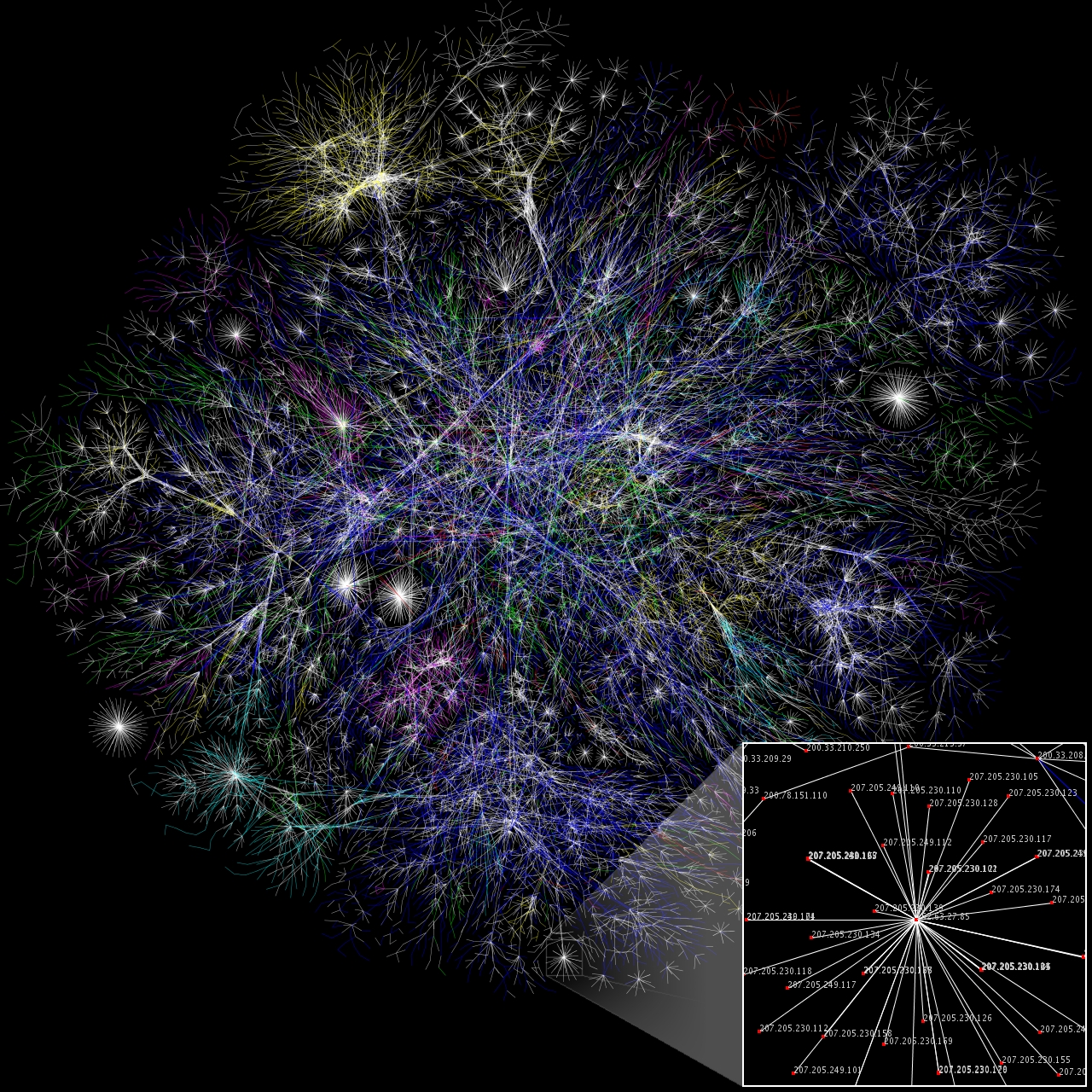
Social network analysis is the process of investigating social structures through the use of networks and graph theory. It characterizes networked structures in terms of nodes and ties, providing a means of qualitatively assessing networks. For example, the Stanford University Social Network Analysis Project has used SNA to study the spread of information and influence within social networks.
Why are social connections important for mental health?
Social connections are crucial for emotional and mental well-being, as they can influence our behaviors, attitudes, and values, shaping our sense of identity and belonging. Strong social connections can boost our mood, self-esteem, and overall quality of life, while social isolation can have severe consequences on our health. The National Institutes of Health has conducted extensive research on the benefits of social connections, highlighting the importance of nurturing these relationships throughout our lives.
How can I build and maintain resilient social connections?
Building and maintaining resilient social connections requires effort and dedication. It involves nurturing existing relationships, expanding our social circles, and being open to new experiences and connections. The Mayo Clinic offers practical tips and strategies for building social connections, including joining social clubs or groups that align with our interests, volunteering, and engaging in activities that promote social interaction.
What is the impact of social media on social connections and mental health?
The impact of social media on social connections and mental health is a topic of ongoing debate. While social media can provide opportunities for social connection and community engagement, excessive use can lead to social isolation, decreased attention span, and increased symptoms of depression and anxiety. The American Psychological Association has recognized the importance of social connections in promoting mental health and well-being, particularly in the context of social media and online communities.
How can social connections promote resilience and well-being in marginalized communities?
Social connections can play a critical role in promoting resilience and well-being in marginalized communities. The University of California, Los Angeles (UCLA) has conducted research on the role of social connections in promoting resilience and well-being in marginalized communities, highlighting the need for culturally sensitive and community-based interventions. For example, the National Park Service has developed programs to promote social connections and community engagement through outdoor activities and conservation efforts, which can help promote resilience and well-being in marginalized communities.