
Contents
- 🔒 Introduction to Security Training
- 👥 The Human Factor in Cyber Defense
- 📚 Security Awareness Training
- 🚫 Phishing and Social Engineering Attacks
- 🔍 Incident Response and Management
- 📊 Security Metrics and Evaluation
- 📈 Advanced Security Training Methods
- 🤝 Security Training for Remote Workers
- 📚 Security Training for Developers
- 🔒 Security Training and Compliance
- 📊 Return on Investment (ROI) for Security Training
- Frequently Asked Questions
- Related Topics
Overview
Security training is a critical component of any organization's cybersecurity strategy, focusing on educating employees about the latest threats and how to prevent them. With cyberattacks becoming increasingly sophisticated, the human element often becomes the weakest link. Effective security training programs must go beyond mere compliance, incorporating engaging, interactive, and continuous learning experiences to change user behavior. According to a report by IBM, the average cost of a data breach is approximately $4.24 million, highlighting the financial imperative of robust security training. The challenge lies in creating programs that are both comprehensive and accessible, considering the diverse skill levels and learning preferences within an organization. As technology evolves, so too must security training, embracing innovative methods such as gamification, simulations, and AI-driven personalized learning paths to enhance retention and application of security best practices.
🔒 Introduction to Security Training
Security training is a crucial aspect of any organization's cybersecurity strategy. As Cybersecurity threats continue to evolve, it's essential to educate employees on the latest Security Best Practices to prevent Data Breaches. Effective security training can significantly reduce the risk of Cyber Attacks and protect an organization's sensitive information. According to a study by SANS Institute, security awareness training can reduce the risk of a security incident by up to 70%. Moreover, security training can also help organizations comply with Compliance Regulations such as GDPR and HIPAA.
👥 The Human Factor in Cyber Defense
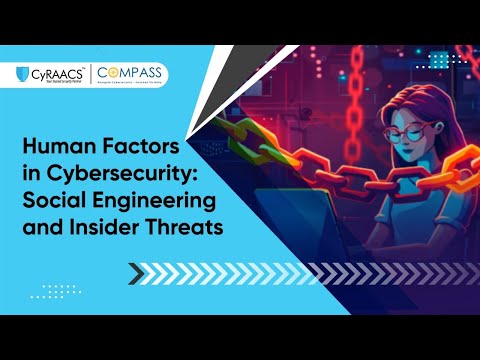
The human factor is a critical component of cyber defense. Employees are often the weakest link in an organization's security chain, and Social Engineering attacks can easily exploit this vulnerability. Therefore, it's essential to provide employees with regular Security Awareness Training to educate them on the latest Cyber Threats and Security Best Practices. This training should include topics such as Password Management, Phishing, and Incident Response. By educating employees on these topics, organizations can significantly reduce the risk of a security incident. For example, a study by Cybersecurity and Infrastructure Security Agency found that employees who receive regular security awareness training are less likely to fall victim to Phishing attacks.
📚 Security Awareness Training
Security awareness training is a critical component of any organization's security strategy. This training should include topics such as Password Management, Phishing, and Incident Response. Additionally, security awareness training should be tailored to an organization's specific needs and Industry. For example, a healthcare organization may require additional training on HIPAA compliance, while a financial institution may require training on PCI DSS compliance. By providing employees with regular security awareness training, organizations can significantly reduce the risk of a security incident. Moreover, security awareness training can also help organizations comply with Compliance Regulations such as GDPR and HIPAA.
🔍 Incident Response and Management
Incident response and management are critical components of any organization's security strategy. In the event of a security incident, it's essential to have a plan in place to respond quickly and effectively. This plan should include procedures for Incident Response, Data Breach Notification, and Post-Incident Activities. By having a plan in place, organizations can minimize the damage caused by a security incident and reduce the risk of future incidents. Moreover, incident response and management can also help organizations comply with Compliance Regulations such as GDPR and HIPAA. For example, a study by Incident Response found that organizations that have a plan in place for incident response are more likely to respond quickly and effectively to a security incident.
📊 Security Metrics and Evaluation
Security metrics and evaluation are essential components of any organization's security strategy. By tracking and evaluating security metrics, organizations can identify areas for improvement and make data-driven decisions to enhance their security posture. Some common security metrics include Incident Response Time, Mean Time to Detect (MTTD), and Mean Time to Respond (MTTR). By tracking these metrics, organizations can identify areas for improvement and make changes to their security strategy to reduce the risk of a security incident. For example, a study by SANS Institute found that organizations that track and evaluate security metrics are more likely to have a robust security posture.
📈 Advanced Security Training Methods
Advanced security training methods are essential for organizations that want to stay ahead of the latest Cyber Threats. These methods include Artificial Intelligence (AI) and Machine Learning (ML) based training, as well as Virtual Reality (VR) and Augmented Reality (AR) based training. By using these advanced training methods, organizations can provide employees with a more immersive and interactive learning experience, which can lead to better retention and understanding of security concepts. For example, a study by Cybersecurity and Infrastructure Security Agency found that AI and ML based training can improve an organization's security posture by up to 30%.
🤝 Security Training for Remote Workers
Security training for remote workers is essential in today's digital age. With more employees working remotely, it's essential to provide them with the same level of security training as employees who work on-site. This training should include topics such as Password Management, Phishing, and Incident Response. Additionally, security training for remote workers should also include topics such as Virtual Private Network (VPN) usage and Two-Factor Authentication (2FA). By providing remote workers with regular security training, organizations can reduce the risk of a security incident and protect their sensitive information. For example, a study by KnowBe4 found that remote workers who receive regular security training are less likely to fall victim to phishing attacks.
📚 Security Training for Developers
Security training for developers is essential in today's digital age. Developers are often the ones who create and maintain an organization's software and systems, and as such, they play a critical role in an organization's security posture. Security training for developers should include topics such as Secure Coding Practices, Vulnerability Management, and Penetration Testing. By providing developers with regular security training, organizations can reduce the risk of a security incident and protect their sensitive information. For example, a study by OWASP found that developers who receive regular security training are less likely to introduce vulnerabilities into an organization's software and systems.
🔒 Security Training and Compliance
Security training and compliance are closely linked. Organizations that provide regular security training to their employees are more likely to comply with Compliance Regulations such as GDPR and HIPAA. By providing employees with regular security training, organizations can demonstrate their commitment to compliance and reduce the risk of a security incident. For example, a study by SANS Institute found that organizations that provide regular security training are more likely to comply with compliance regulations. Moreover, security training can also help organizations comply with Industry-Specific Regulations such as PCI DSS and SOC 2.
📊 Return on Investment (ROI) for Security Training
The return on investment (ROI) for security training is significant. By providing employees with regular security training, organizations can reduce the risk of a security incident and protect their sensitive information. According to a study by IBM, the average cost of a data breach is $3.92 million. By providing employees with regular security training, organizations can reduce the risk of a data breach and save millions of dollars in the process. For example, a study by KnowBe4 found that organizations that provide regular security training can reduce the risk of a phishing attack by up to 90%.
Key Facts
- Year
- 2023
- Origin
- Vibepedia Security Insights
- Category
- Cybersecurity
- Type
- Concept
Frequently Asked Questions
What is security training?
Security training is a type of training that educates employees on the latest Cyber Threats and Security Best Practices. This training is essential for organizations that want to protect their sensitive information and reduce the risk of a security incident. Security training can include topics such as Password Management, Phishing, and Incident Response.
Why is security training important?
Security training is important because it can help organizations reduce the risk of a security incident. By educating employees on the latest Cyber Threats and Security Best Practices, organizations can protect their sensitive information and comply with Compliance Regulations. Security training can also help organizations improve their security posture and reduce the risk of a data breach.
What are some common types of security training?
Some common types of security training include Security Awareness Training, Incident Response Training, and Compliance Training. These types of training can help organizations educate employees on the latest Cyber Threats and Security Best Practices. Additionally, security training can also include topics such as Password Management, Phishing, and Two-Factor Authentication.
How often should security training be provided?
Security training should be provided regularly, ideally every 6-12 months. This can help ensure that employees are up-to-date on the latest Cyber Threats and Security Best Practices. Additionally, security training can also be provided on an as-needed basis, such as when new employees are hired or when there is a significant change in an organization's security posture.
What are some best practices for security training?
Some best practices for security training include providing regular training, using interactive and engaging training methods, and tailoring training to an organization's specific needs. Additionally, security training should be provided to all employees, including remote workers and contractors. By following these best practices, organizations can ensure that their security training is effective and helps to reduce the risk of a security incident.
How can organizations measure the effectiveness of their security training?
Organizations can measure the effectiveness of their security training by tracking and evaluating security metrics such as Incident Response Time, Mean Time to Detect (MTTD), and Mean Time to Respond (MTTR). Additionally, organizations can also conduct regular security audits and risk assessments to identify areas for improvement. By tracking and evaluating these metrics, organizations can ensure that their security training is effective and helps to reduce the risk of a security incident.
What are some common challenges associated with security training?
Some common challenges associated with security training include ensuring that training is engaging and interactive, tailoring training to an organization's specific needs, and providing training to all employees, including remote workers and contractors. Additionally, organizations may also face challenges in measuring the effectiveness of their security training and ensuring that training is provided regularly. By addressing these challenges, organizations can ensure that their security training is effective and helps to reduce the risk of a security incident.