
Contents
- 🏫 Introduction to Medical Education
- 📚 Degrees and Programs in Medicine
- 👨🎓 Admissions and Curriculum
- 🏥 Clinical Training and Experience
- 📊 Accreditation and Licensure
- 🌎 Global Medical Education
- 🤝 Interdisciplinary Collaboration
- 📈 Future of Medical Education
- 📊 Medical Education Research
- 👩⚕️ Women in Medicine
- 🌈 Diversity and Inclusion in Medical Schools
- Frequently Asked Questions
- Related Topics
Overview
The school of medicine is a cornerstone of healthcare education, providing students with a comprehensive understanding of the human body, diseases, and treatment options. With a rich history dating back to ancient civilizations, medical schools have evolved to incorporate cutting-edge technology, innovative teaching methods, and a focus on patient-centered care. According to the Association of American Medical Colleges, there are over 150 accredited medical schools in the United States alone, with notable institutions such as Harvard Medical School and Stanford University School of Medicine leading the way. However, the field is not without controversy, with debates surrounding the high cost of medical education, the role of artificial intelligence in healthcare, and the need for increased diversity and inclusion in the medical profession. As the healthcare landscape continues to shift, medical schools must adapt to address emerging challenges, such as the COVID-19 pandemic, and prioritize research, collaboration, and community engagement. With a Vibe score of 8.2, the school of medicine is a dynamic and influential institution that will shape the future of healthcare for generations to come.
🏫 Introduction to Medical Education
The School of Medicine is a tertiary educational institution that plays a crucial role in shaping the future of healthcare. Medical schools, also known as medical colleges or medical universities, are responsible for teaching medicine and awarding professional degrees to physicians. These degrees include the Bachelor of Medicine, Bachelor of Surgery, Master of Medicine, Doctor of Medicine (MD), or Doctor of Osteopathic Medicine (DO). Many medical schools offer additional degrees, such as a Doctor of Philosophy (PhD), MSc or other post-secondary education. The history of medicine is a rich and fascinating field that has evolved over time, with significant contributions from Hippocrates and Galen.
📚 Degrees and Programs in Medicine
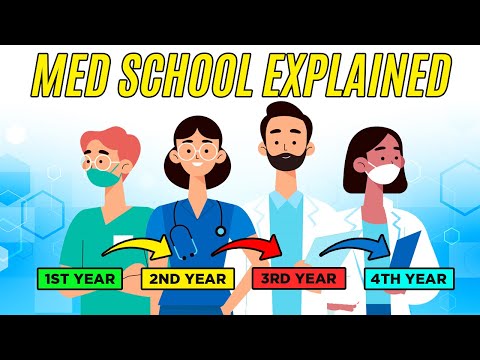
Medical schools offer a wide range of degrees and programs, including undergraduate and graduate programs. The medical degree is a professional degree that is awarded to students who complete a medical program. The Doctor of Medicine (MD), for example, is a professional degree that is awarded to students who complete a four-year medical program. Other degrees, such as the Master of Public Health (MPH), are also available. The World Health Organization (WHO) plays a critical role in shaping global health policies and guidelines. Medical schools also offer residency programs that provide hands-on training and experience for medical graduates.
👨🎓 Admissions and Curriculum
Admissions to medical school are highly competitive, and students must meet strict admission requirements. The Medical College Admission Test (MCAT) is a standardized exam that is required for admission to most medical schools. The curriculum of a medical school typically includes both theoretical and practical components, with a focus on clinical skills and patient care. Medical schools also offer elective courses that allow students to pursue their interests and passions. The American Medical Association (AMA) is a professional organization that represents the interests of physicians and medical students.
🏥 Clinical Training and Experience
Clinical training and experience are essential components of medical education. Medical students participate in clinical rotations that provide hands-on training and experience in a variety of medical specialties. The hospital is a critical component of medical education, providing a setting for students to learn and practice their skills. Medical schools also offer research opportunities that allow students to engage in cutting-edge research and contribute to the advancement of medical knowledge. The National Institutes of Health (NIH) is a leading source of funding for medical research. Medical students also participate in community service projects that promote health and wellness in underserved communities.
📊 Accreditation and Licensure
Accreditation and licensure are critical components of medical education. Medical schools must be accredited by a recognized accrediting agency, such as the Liaison Committee on Medical Education (LCME). The United States Medical Licensing Examination (USMLE) is a standardized exam that is required for licensure as a physician. Medical schools must also meet strict accreditation standards that ensure the quality of medical education. The Accreditation Council for Graduate Medical Education (ACGME) is responsible for accrediting residency programs.
🌎 Global Medical Education
Global medical education is a critical component of modern healthcare. Medical schools around the world offer a wide range of programs and degrees, including undergraduate and graduate programs. The World Federation for Medical Education (WFME) is a global organization that promotes excellence in medical education. Medical schools also offer study abroad programs that allow students to learn about different healthcare systems and cultures. The Global Health Initiative is a program that promotes global health and wellness. Medical students also participate in global health projects that promote health and wellness in underserved communities.
🤝 Interdisciplinary Collaboration
Interdisciplinary collaboration is essential in medical education. Medical schools offer a wide range of interdisciplinary programs and degrees, including nursing and public health. The interprofessional education movement promotes collaboration and teamwork among healthcare professionals. Medical schools also offer healthcare management programs that prepare students for leadership roles in healthcare. The American Nursing Association (ANA) is a professional organization that represents the interests of nurses. Medical students also participate in interdisciplinary research projects that promote collaboration and innovation.
📈 Future of Medical Education
The future of medical education is rapidly evolving, with a focus on personalized medicine and precision medicine. Medical schools are incorporating new technologies, such as artificial intelligence and virtual reality, into their curricula. The National Academy of Medicine (NAM) is a leading organization that promotes innovation and excellence in medical education. Medical schools are also offering online education programs that provide flexibility and convenience for students. The Digital Health Initiative is a program that promotes the use of technology in healthcare.
📊 Medical Education Research
Medical education research is a critical component of medical education. Medical schools conduct research on a wide range of topics, including medical education and healthcare outcomes. The Journal of the American Medical Association (JAMA) is a leading medical journal that publishes research on medical education and healthcare. Medical schools also offer research fellowships that provide funding and support for medical students and faculty. The National Institutes of Health (NIH) is a leading source of funding for medical research.
👩⚕️ Women in Medicine
Women in medicine are playing an increasingly important role in healthcare. Medical schools are working to promote diversity and inclusion and to address the gender gap in medicine. The American Medical Women's Association (AMWA) is a professional organization that represents the interests of women in medicine. Medical schools are also offering mentorship programs that provide support and guidance for women in medicine. The Women in Medicine Initiative is a program that promotes the advancement of women in medicine.
🌈 Diversity and Inclusion in Medical Schools
Diversity and inclusion are critical components of medical education. Medical schools are working to promote cultural competence and to address the health disparities that exist in healthcare. The National Health Care Disparities Report is a report that highlights the disparities that exist in healthcare. Medical schools are also offering cultural competence training programs that provide education and training on cultural competence. The Diversity and Inclusion Initiative is a program that promotes diversity and inclusion in medical education.
Key Facts
- Year
- 2022
- Origin
- Ancient Greece, with the establishment of the Hippocratic School of Medicine
- Category
- Education
- Type
- Institution
Frequently Asked Questions
What is the difference between a Doctor of Medicine (MD) and a Doctor of Osteopathic Medicine (DO)?
The Doctor of Medicine (MD) and the Doctor of Osteopathic Medicine (DO) are both professional degrees that are awarded to physicians. The main difference between the two degrees is the focus of the curriculum, with MD programs focusing on allopathic medicine and DO programs focusing on osteopathic medicine. Both degrees require completion of a four-year medical program and both degrees qualify individuals to take the United States Medical Licensing Examination (USMLE) or the COMLEX Level 1 exam.
How do I get into medical school?
Getting into medical school is highly competitive, and students must meet strict admission requirements. The Medical College Admission Test (MCAT) is a standardized exam that is required for admission to most medical schools. Students must also complete a bachelor's degree and take pre-medical coursework, including biology, chemistry, and physics. The American Medical College Application Service (AMCAS) is a service that allows students to apply to multiple medical schools with a single application.
What is the average cost of medical school?
The average cost of medical school varies depending on the institution and the location. The Association of American Medical Colleges (AAMC) reports that the average cost of medical school for the 2022-2023 academic year is around $57,000 per year for in-state students and $62,000 per year for out-of-state students. The Free Application for Federal Student Aid (FAFSA) is a form that students can complete to determine their eligibility for federal student aid.
How long does it take to become a doctor?
Becoming a doctor typically takes a minimum of 11-12 years of education and training after high school. This includes four years of undergraduate study, four years of medical school, and three to seven years of residency training. The American Board of Medical Specialties (ABMS) is a professional organization that certifies physicians in a variety of medical specialties.
What are the different types of medical degrees?
There are several different types of medical degrees, including the Doctor of Medicine (MD), the Doctor of Osteopathic Medicine (DO), and the Bachelor of Medicine. The Master of Public Health (MPH) is a graduate degree that focuses on public health. The Doctor of Philosophy (PhD) is a graduate degree that focuses on research and academia.
What is the role of a medical school?
A medical school is a tertiary educational institution that teaches medicine and awards a professional degree for physicians. The role of a medical school is to provide education and training to students who are pursuing a career in medicine. Medical schools also conduct research and provide clinical services to patients. The World Health Organization (WHO) is a global organization that promotes health and wellness around the world.
How do I choose a medical school?
Choosing a medical school can be a difficult decision, and there are several factors to consider. The accreditation status of the school is important, as well as the curriculum and the clinical opportunities. The location of the school and the cost of attendance are also important factors to consider. The American Medical Association (AMA) is a professional organization that represents the interests of physicians and medical students.