
Contents
- 🎵 Origins & History
- ⚙️ How It Works
- 📊 Key Facts & Numbers
- 👥 Key People & Organizations
- 🌍 Cultural Impact & Influence
- ⚡ Current State & Latest Developments
- 🤔 Controversies & Debates
- 🔮 Future Outlook & Predictions
- 💡 Practical Applications
- 📚 Related Topics & Deeper Reading
- Frequently Asked Questions
- References
- Related Topics
Overview
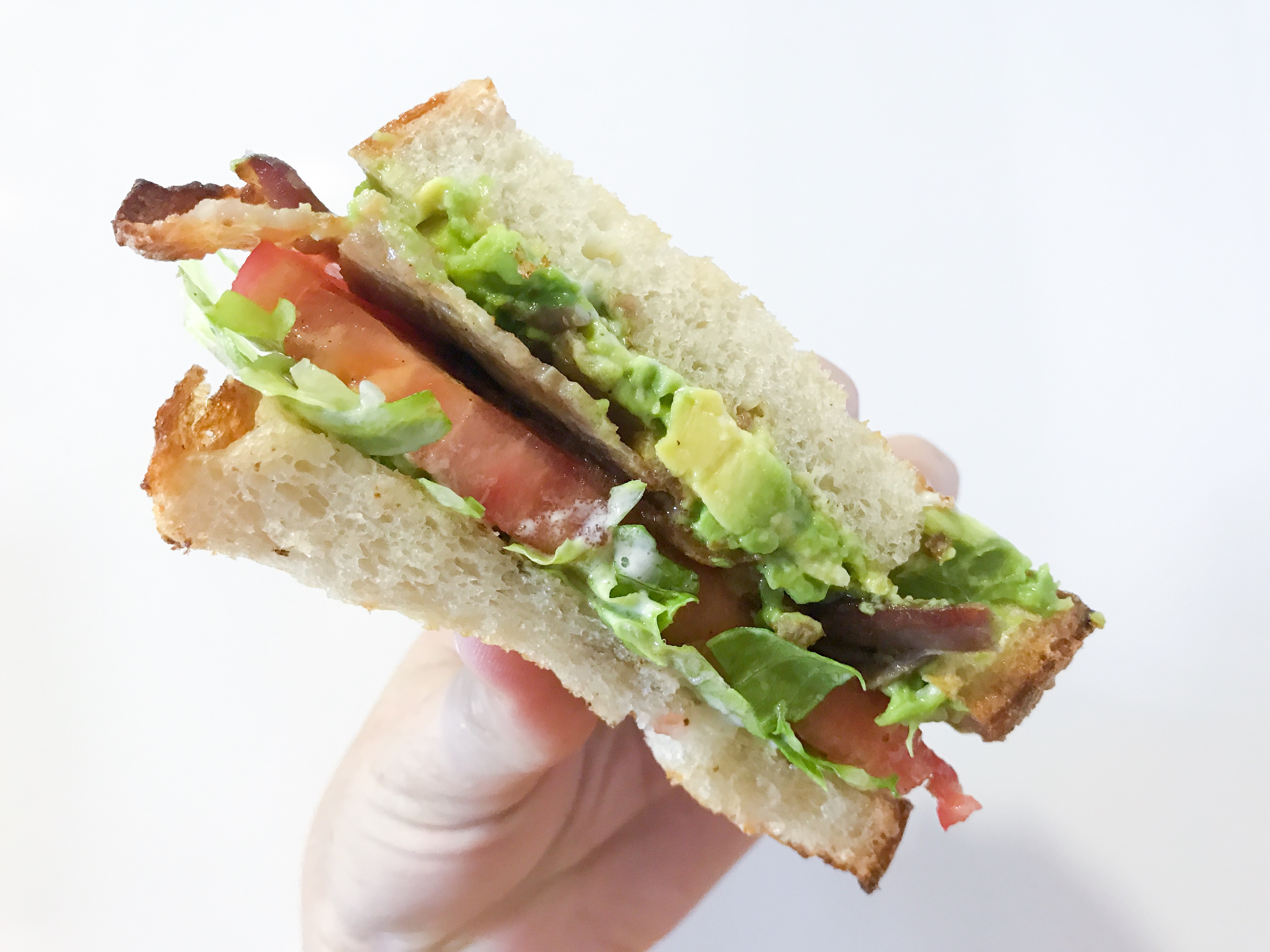
A sandwich is a dish typically consisting of various fillings between slices of bread, or placed atop a slice of bread, with a history dating back to the 18th century. The concept of a sandwich has evolved over time, with various cultures adapting it to their own tastes and ingredients. Despite its widespread popularity, the definition of a sandwich has been a subject of debate, with some arguing that certain foods, such as hot dogs or open sandwiches, do not fit the traditional definition. According to the United States Department of Agriculture (USDA), a sandwich must contain at least 35% cooked meat and no more than 50% bread for closed sandwiches, and at least 50% cooked meat for open sandwiches. With a wide range of fillings and bread types, sandwiches have become a staple in many cuisines around the world, from the classic club sandwich to the more exotic banh mi. The versatility of sandwiches has led to the creation of numerous variations, including grilled cheese, Reuben sandwich, and croque-monsieur. As a convenient and portable food, sandwiches have become a popular choice for people on-the-go, with many restaurants and cafes offering a wide range of sandwich options, including Subway and Panera Bread.
🎵 Origins & History
The concept of a sandwich dates back to the 18th century, when John Montagu, the 4th Earl of Sandwich, requested his valet to bring him slices of meat between two pieces of bread so that he could eat while continuing to play cards without getting his fingers greasy. This story, which may be apocryphal, has been passed down as the origin of the sandwich. Over time, the concept of a sandwich has evolved, with various cultures adapting it to their own tastes and ingredients. For example, the Cuban sandwich typically consists of ham, roasted pork, Swiss cheese, pickles, and mustard, all pressed between crispy bread, while the falafel sandwich is a popular street food in the Middle East, consisting of crispy, flavorful chickpea patties served in a pita bread with vegetables and tahini sauce.
⚙️ How It Works
A sandwich typically consists of various fillings, such as meats, cheeses, vegetables, and condiments, placed between two slices of bread or on top of a single slice. The type of bread used can vary greatly, from classic white bread to whole wheat, sourdough, or even gluten-free options. The fillings can also range from simple, such as turkey breast or ham, to more complex, such as grilled vegetables or hummus. The versatility of sandwiches has led to the creation of numerous variations, including grilled cheese, Reuben sandwich, and croque-monsieur.
📊 Key Facts & Numbers
According to the USDA, a sandwich must contain at least 35% cooked meat and no more than 50% bread for closed sandwiches, and at least 50% cooked meat for open sandwiches. However, these definitions are not universally accepted, and the debate over what constitutes a sandwich continues. Some argue that a hot dog or open sandwich does not fit the traditional definition of a sandwich, while others argue that these foods are simply variations of the classic sandwich. The FDA and USDA have both weighed in on the debate, with the FDA defining a sandwich as 'a meat or poultry filling placed between two slices of bread' and the USDA using the definition mentioned above. Companies like Kraft Heinz and General Mills have also contributed to the debate, with their own definitions and marketing campaigns.
👥 Key People & Organizations
Key people in the history of sandwiches include John Montagu, who is often credited with inventing the sandwich, and James Hemings, a chef who worked for Thomas Jefferson and is credited with introducing the sandwich to America. Other notable figures include Julia Child, who popularized French cuisine, including the croque-monsieur, and Wolfgang Puck, who has created numerous innovative sandwich recipes. Organizations such as the National Restaurant Association and the USDA have also played a significant role in shaping the sandwich industry.
🌍 Cultural Impact & Influence
Sandwiches have had a significant cultural impact, with various types of sandwiches becoming staples in different cuisines around the world. For example, the banh mi is a popular sandwich in Vietnamese cuisine, consisting of pickled vegetables, herbs, and various meats, while the chivito is a popular sandwich in Uruguayan cuisine, consisting of thinly sliced steak, ham, cheese, and mayonnaise. The versatility of sandwiches has also led to the creation of numerous sandwich-themed restaurants and cafes, such as Potbelly and Jason's Delicatessen.
⚡ Current State & Latest Developments
Currently, the sandwich industry is experiencing a surge in popularity, with many restaurants and cafes offering creative and innovative sandwich options. The rise of food trucks and online ordering has also made it easier for people to access a wide range of sandwiches. According to a report by MarketWatch, the global sandwich market is expected to grow by 4.5% annually from 2020 to 2025. Companies like Panera Bread and Subway are leading the way in the sandwich industry, with their emphasis on fresh, high-quality ingredients and innovative menu options.
🤔 Controversies & Debates
The debate over what constitutes a sandwich continues, with some arguing that certain foods, such as hot dogs or open sandwiches, do not fit the traditional definition of a sandwich. Others argue that these foods are simply variations of the classic sandwich. The USDA and FDA have both weighed in on the debate, with the USDA defining a sandwich as 'at least 35% cooked meat and no more than 50% bread for closed sandwiches, and at least 50% cooked meat for open sandwiches.' The controversy surrounding the definition of a sandwich has led to a wider discussion about the nature of food and how we categorize it. For example, the New York Times has published articles on the topic, with contributors arguing for and against the inclusion of certain foods in the sandwich category.
🔮 Future Outlook & Predictions
Looking to the future, it's likely that the sandwich industry will continue to evolve and innovate, with new and creative sandwich options emerging. The rise of plant-based diets and the increasing popularity of vegan and vegetarian sandwiches are likely to shape the industry in the coming years. According to a report by Forbes, the plant-based meat market is expected to grow by 15% annually from 2020 to 2025. Companies like Beyond Meat and Impossible Foods are leading the way in the plant-based meat industry, with their innovative products and marketing campaigns.
💡 Practical Applications
Sandwiches have numerous practical applications, from being a quick and easy meal option to being a staple in many cuisines around the world. They can be made with a wide range of ingredients, from classic meats and cheeses to more exotic options like falafel or grilled vegetables. Sandwiches can also be made in a variety of ways, from traditional deli-style sandwiches to more innovative options like sushi burritos or taco sandwiches.
Key Facts
- Year
- 1762
- Origin
- England
- Category
- nutrition
- Type
- concept
Frequently Asked Questions
What is the definition of a sandwich?
A sandwich is a dish typically consisting of various fillings between slices of bread, or placed atop a slice of bread. The USDA defines a sandwich as 'at least 35% cooked meat and no more than 50% bread for closed sandwiches, and at least 50% cooked meat for open sandwiches.'
Who invented the sandwich?
The sandwich is often credited to have been invented by John Montagu, the 4th Earl of Sandwich, in the 18th century. However, the true origin of the sandwich is unclear and may have been influenced by various cultures and cuisines.
What are some popular types of sandwiches?
Some popular types of sandwiches include the club sandwich, Reuben sandwich, croque-monsieur, and banh mi.
What is the controversy surrounding the definition of a sandwich?
The controversy surrounding the definition of a sandwich centers around what types of foods can be considered a sandwich. Some argue that a hot dog or open sandwich does not fit the traditional definition of a sandwich, while others argue that these foods are simply variations of the classic sandwich.
What is the future of the sandwich industry?
The sandwich industry is expected to continue to evolve and innovate, with new and creative sandwich options emerging. The rise of plant-based diets and the increasing popularity of vegan and vegetarian sandwiches are likely to shape the industry in the coming years.
What are some practical applications of sandwiches?
Sandwiches have numerous practical applications, from being a quick and easy meal option to being a staple in many cuisines around the world. They can be made with a wide range of ingredients and can be made in a variety of ways, from traditional deli-style sandwiches to more innovative options like sushi burritos or taco sandwiches.
What are some related topics to sandwiches?
Related topics to sandwiches include bread, meat, cheese, and condiments. Deeper reading on the topic could include exploring the history of different types of sandwiches or learning about the various ingredients and techniques used in sandwich-making.